Regulatory signs
Stop
What it means
Come to a complete stop, then continue only when it is safe to do so. Check the intersection carefully before you go.
White with black or red; a red circle with a slash means prohibited, a green circle means permitted.
Summarised from ICBC’s Learn to Drive Smart. Read the original: Signs signals and road markings ↗
How to recognise it
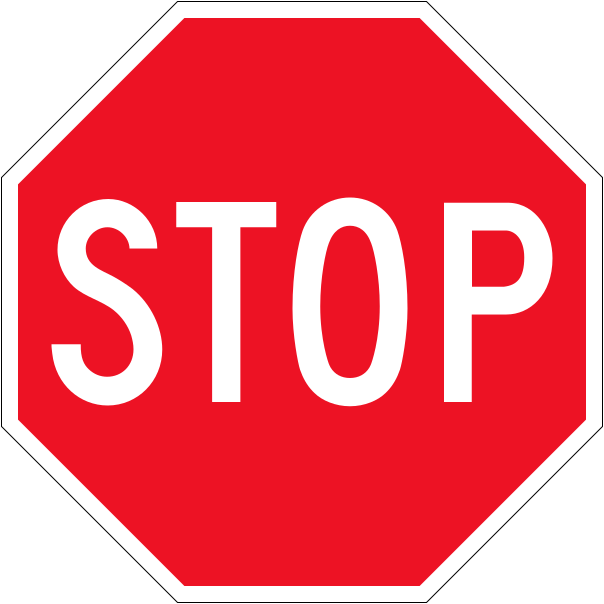
The only eight-sided sign on the road: a red octagon with STOP in white letters. The shape alone identifies it, even from behind or under snow.
Where you will see it
Intersections without traffic lights: side streets meeting a through street, intersections with a stop sign on every corner, and the ends of lanes and driveways.
What to do when you see it
- 1.Come to a complete stop, every time: wheels not turning, not a slow roll.
- 2.Stop just before the stop line. With no line, stop just before the crosswalk, marked or unmarked. With no line, crosswalk or sidewalk, stop just before you enter the intersection.
- 3.Check the intersection carefully. At a two-way stop the through street has the right-of-way: wait for a safe gap before you go through or turn.
- 4.Where every corner has a stop sign, the first vehicle to stop goes first; if two arrive together, the one on the right goes first.
On the knowledge test
Questions turn on two points: a stop sign always means a complete stop, and where to stop when no line is painted. Learn the order: stop line, crosswalk, then just before the intersection.
Do not confuse it with
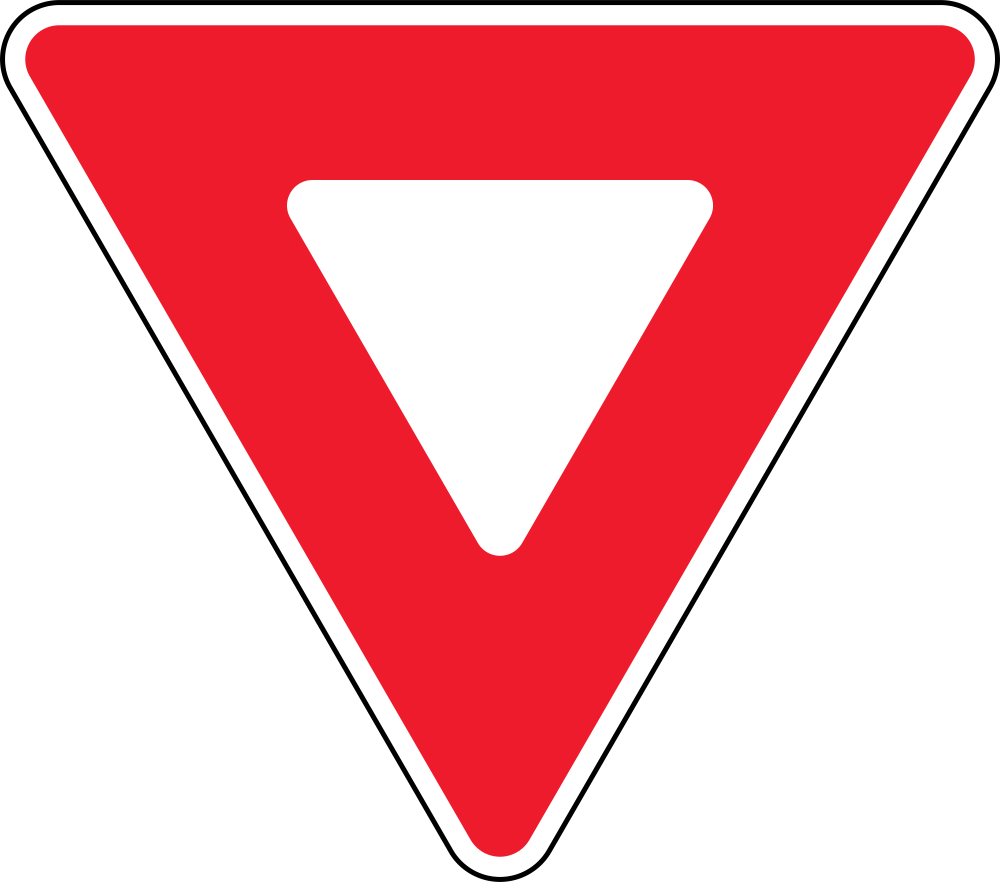 YieldAt a yield sign you may enter without stopping if the through road is clear; a stop sign never lets you roll through.
- Flashing red lightA flashing red light is handled exactly like a stop sign: stop, then continue only when it is safe.
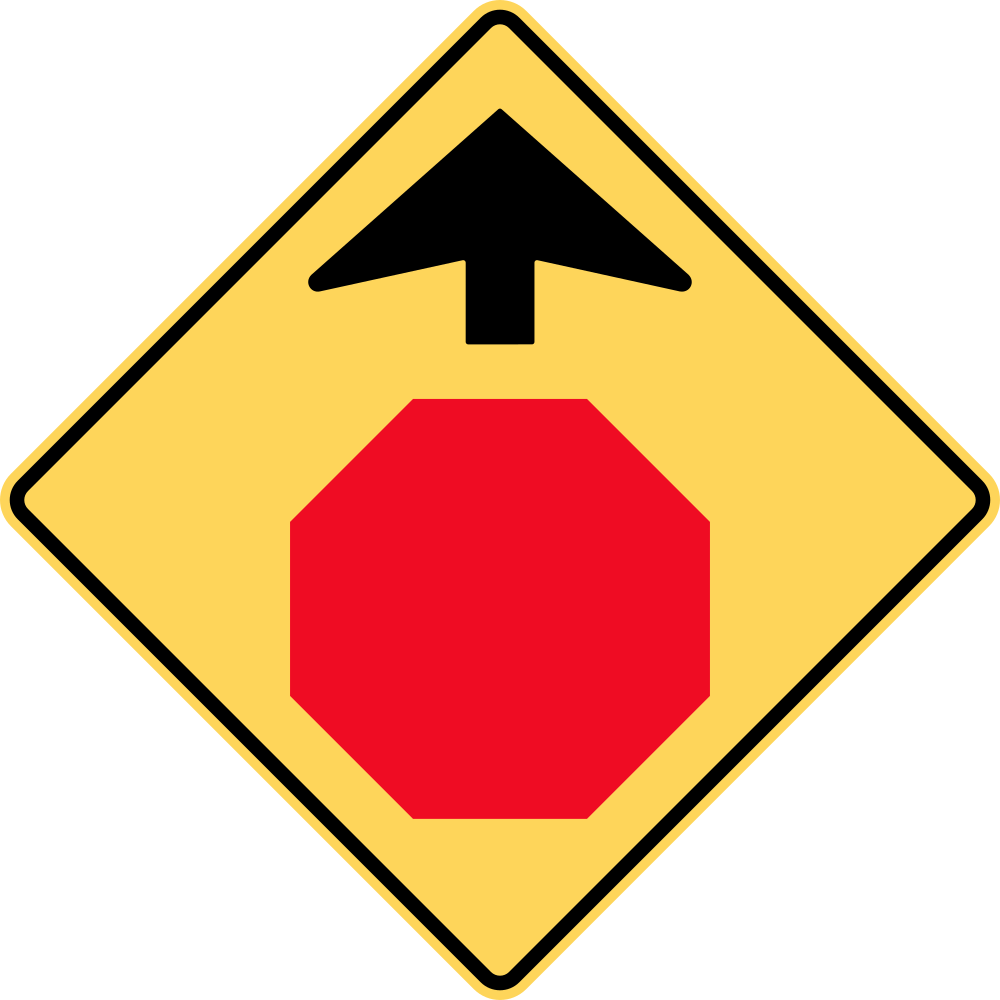 Stop sign aheadThe yellow stop-sign-ahead diamond only warns you; the stop itself happens at the red octagon.
Practice questions for this sign