1.Reading a sign: shape, colour and message
- There are 3 ways to read a sign: by its shape, by its colour and by the message printed on it. Knowing all 3 helps you work out the meaning of a sign you have never seen before.
- The guide's overview groups signs by their job: stop; yield the right-of-way; show a driving regulation; show a permitted action; show an action that is not permitted; explain lane use; warn of hazards ahead; warn of construction zones; tell about motorist services; show distance and direction; and mark a railway crossing.
- Most warning signs are yellow and diamond-shaped; they warn of possible hazards ahead.
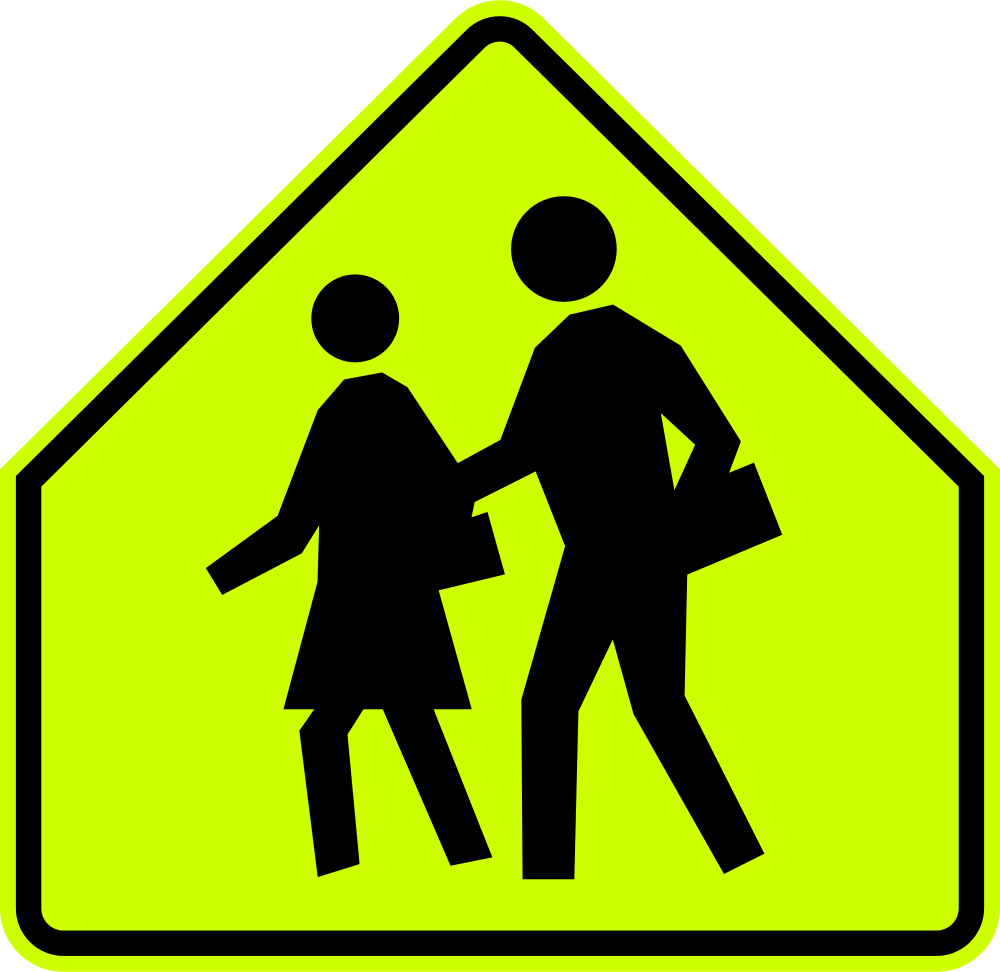
- School zone signs are fluorescent yellow-green, and so is the school crosswalk ahead sign, so that colour alone tells you children may be nearby.
- Construction signs warn of construction and maintenance work; information and destination signs tell you about destinations, route numbers and facilities; and a white diamond painted on the road surface marks a reserved lane.
Signs in this section
Official source: Signs signals and road markings ↗
2.Regulatory signs
- Regulatory signs tell you about driving laws and regulations. Disregarding one is an offence under the B.C. Motor Vehicle Act, and drivers who do not follow the instructions on these signs may receive penalties.
- Stop: stop completely and continue only when it is safe. Yield: give the right-of-way to other vehicles and to crossing pedestrians.
- A speed limit sign gives the maximum legal speed when the road is bare and dry and visibility is good; a speed limit ahead sign warns that a lower limit is coming.
- Direction signs: do not enter; wrong way, meaning do not go this way, usually mounted on exit ramps; one way, which shows the direction of traffic on the cross street; keep right of the divider; and two-way traffic, keep right unless passing.
- Passing and slow-vehicle signs: do not pass; keep right unless passing; passing lane ahead; move into the right lane if you are driving slower than regular traffic; slow vehicles must use the pullouts for the stated distance; and slow traffic delaying 5 vehicles must use the pullout.
- Other regulatory signs: no stopping between here and the next no-stopping sign, or during the posted times; no right turn on a red light; no bicycle riding beyond this point; winter tires or chains must be used when the sign is displayed; and a disaster response route that must be left to emergency vehicles during major disasters.
- After coming to a full stop at a steady red light you may turn right, or turn left onto a one-way street, unless a sign forbids it — so watch for signs prohibiting these turns on a red light.
Signs in this section
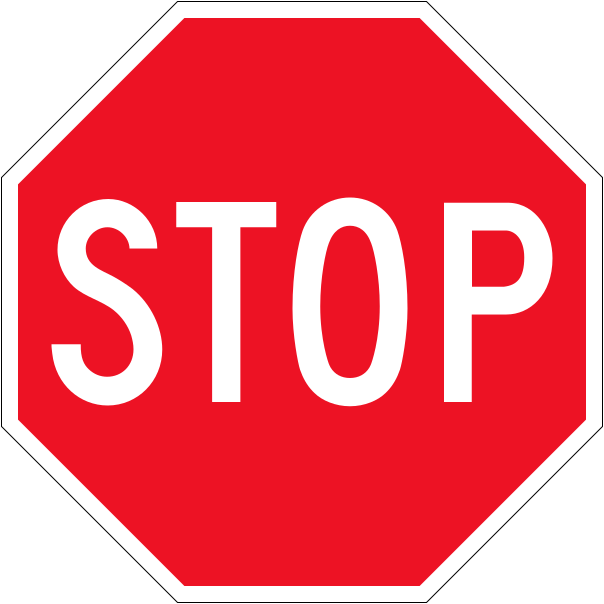 Stop
Stop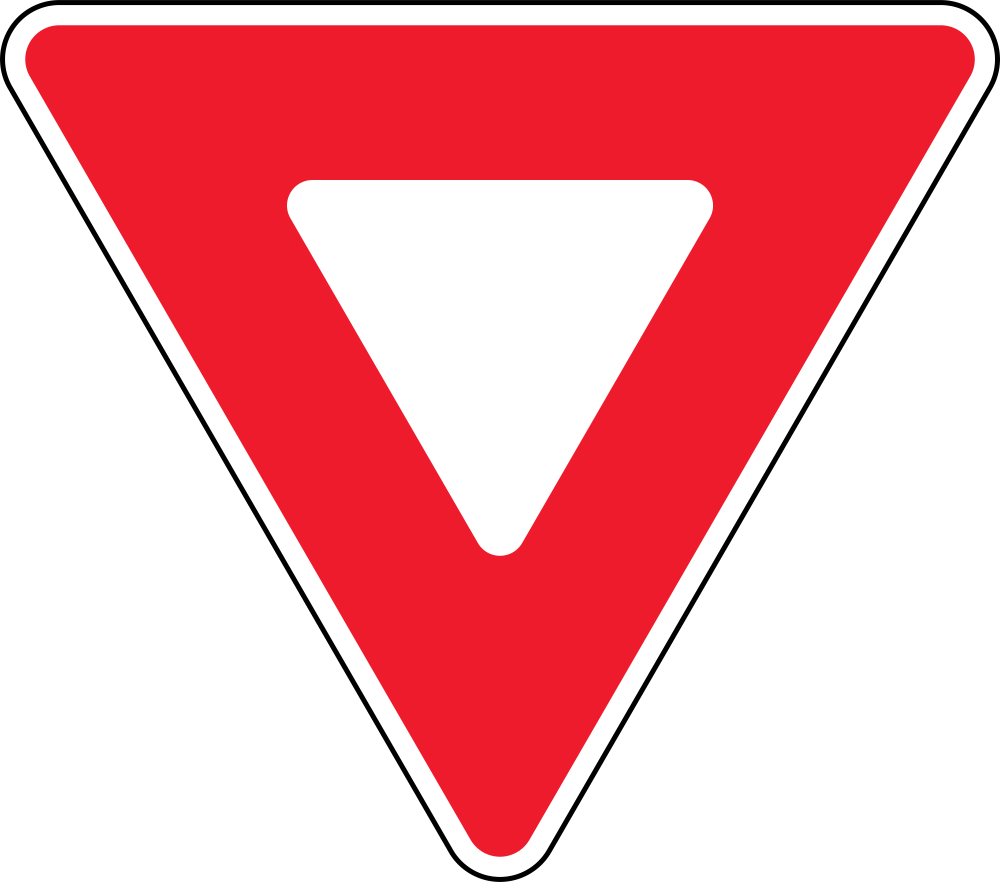 Yield
Yield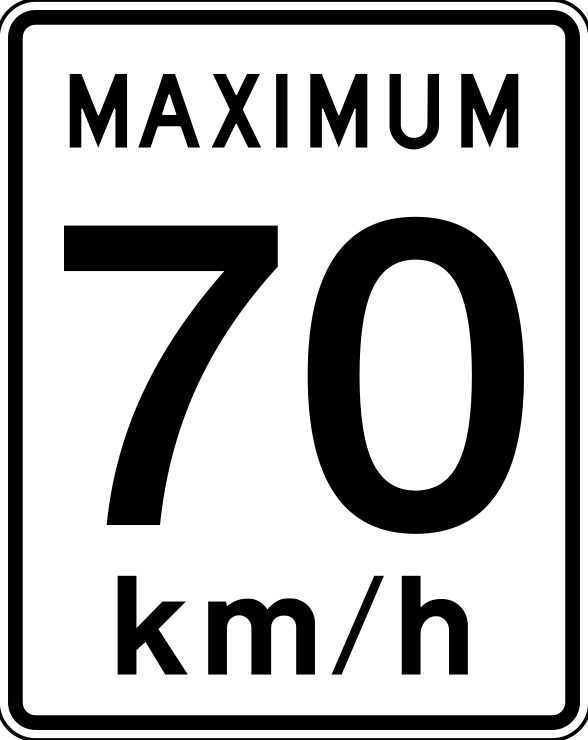 Maximum speed limit
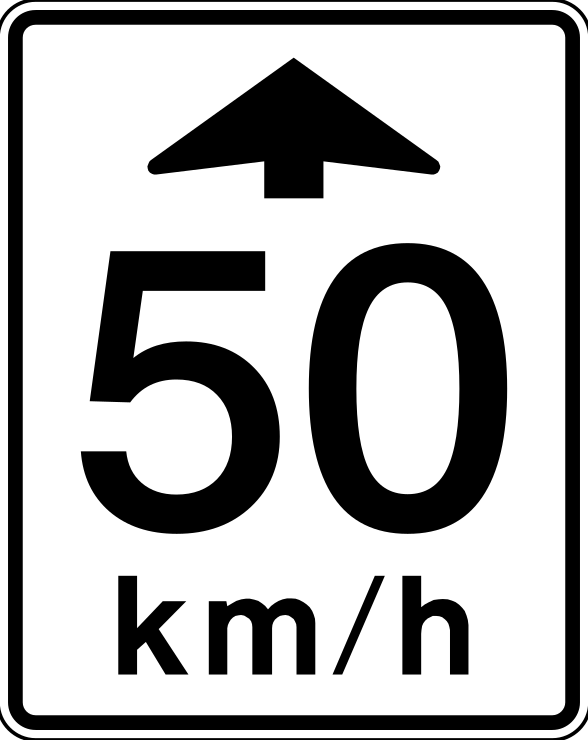 Lower speed limit ahead
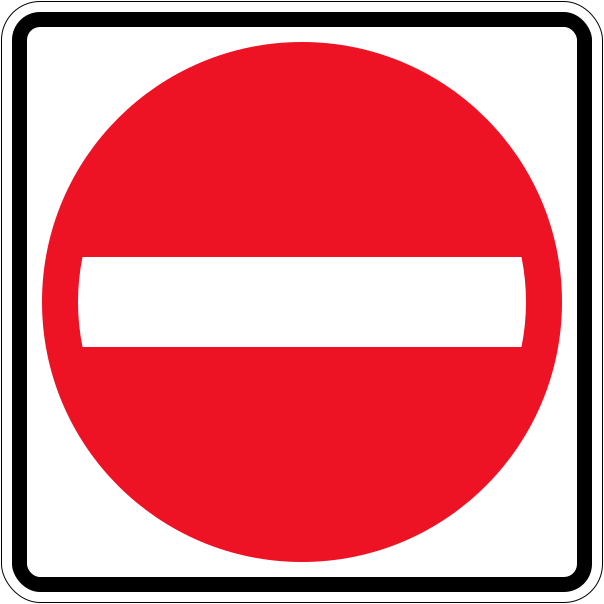 Do not enter
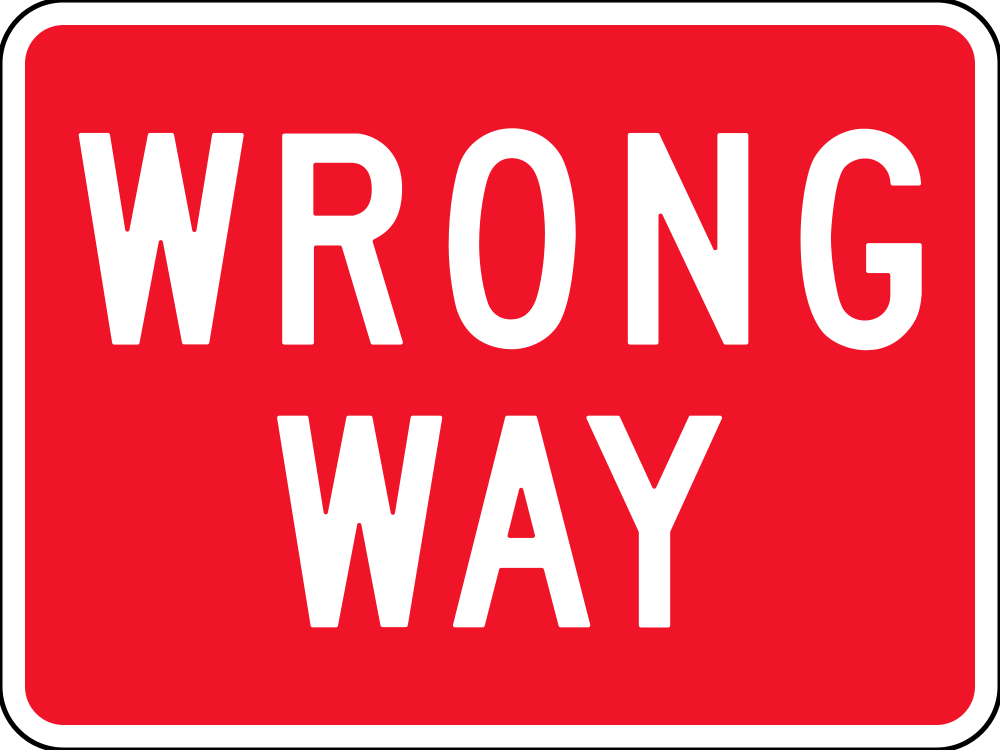 Wrong way
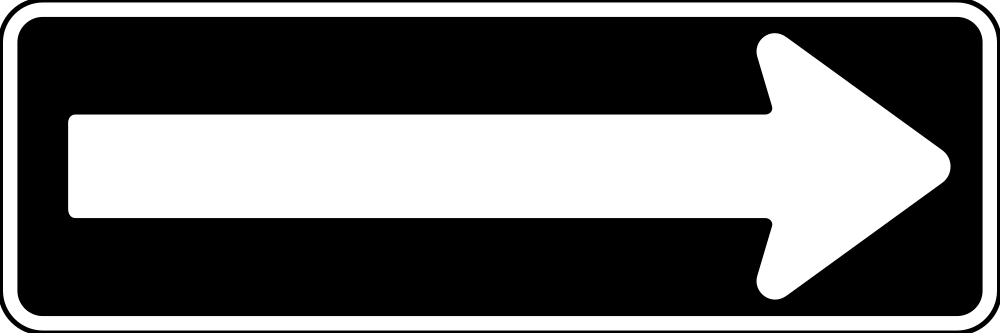 One way
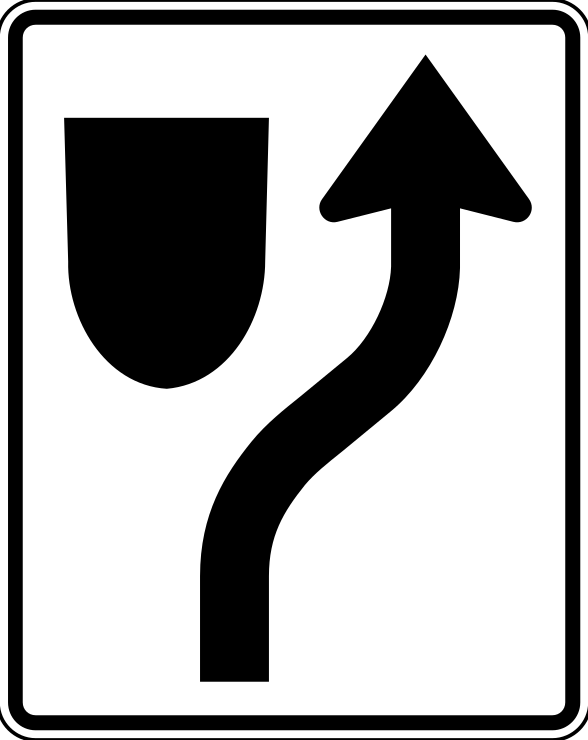 Keep right of divider
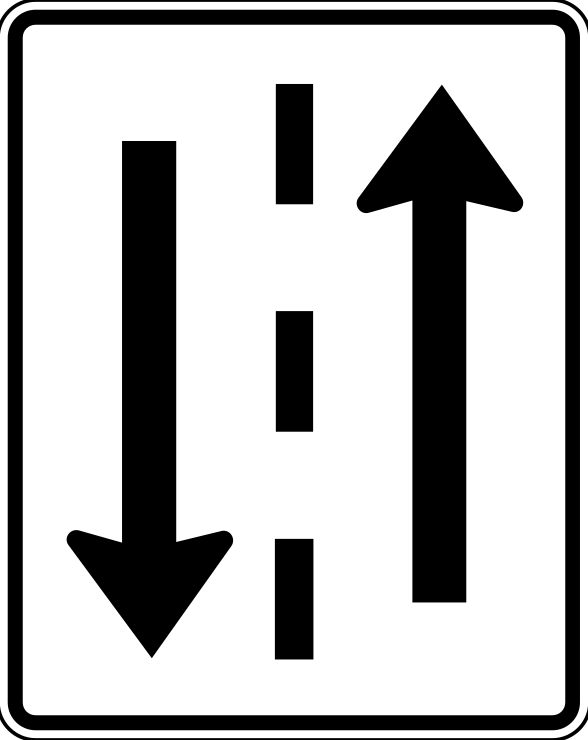 Two-way traffic — keep right
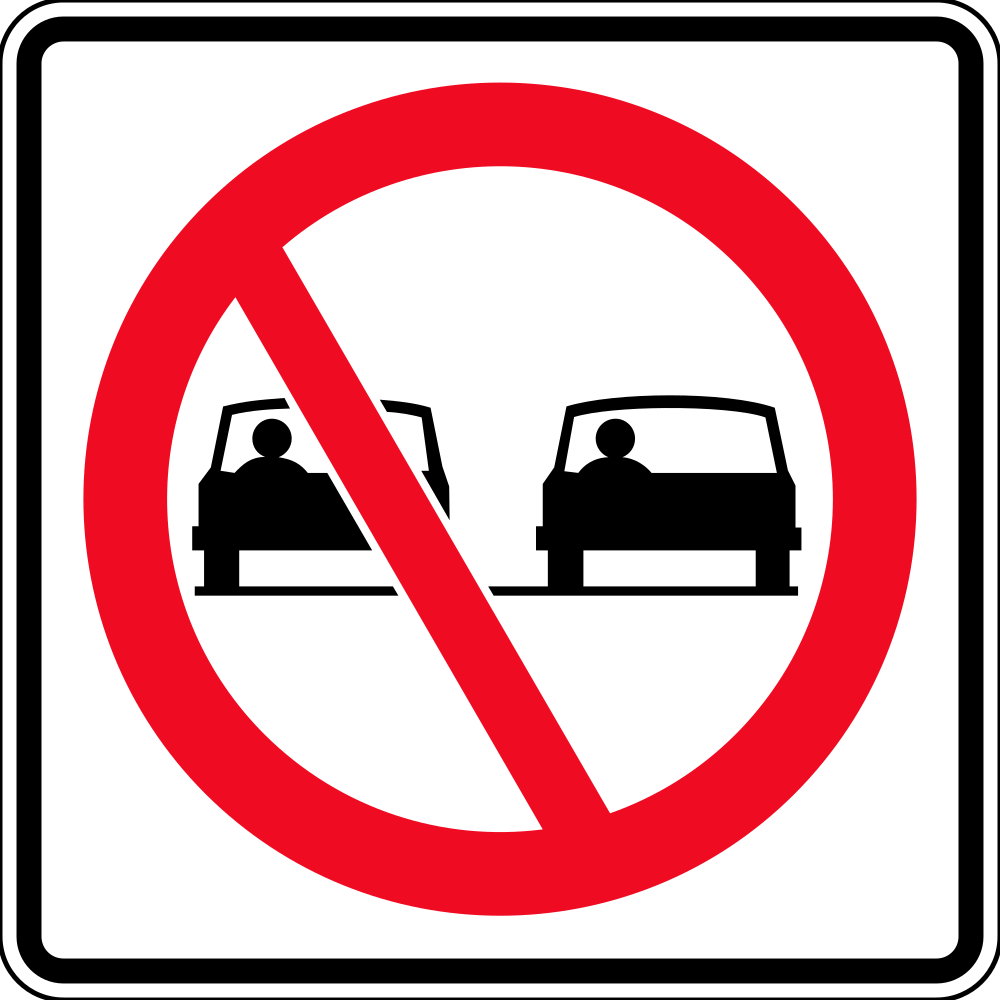 Do not pass
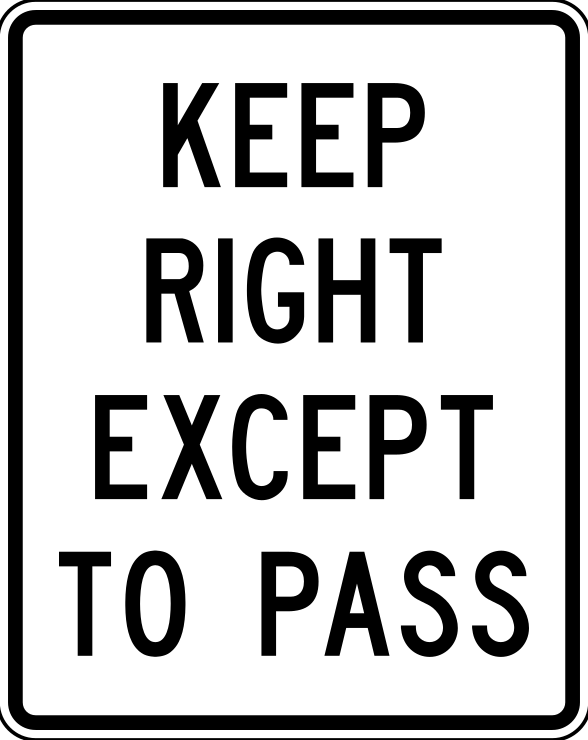 Keep right except to pass
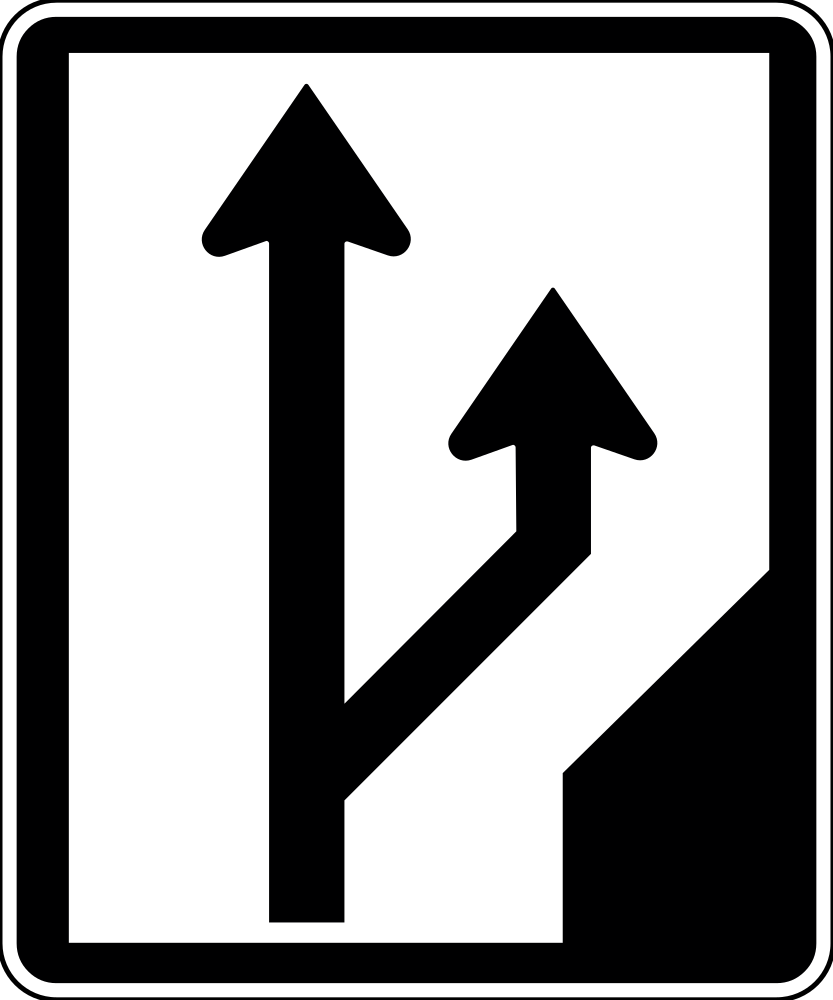 Passing lane ahead
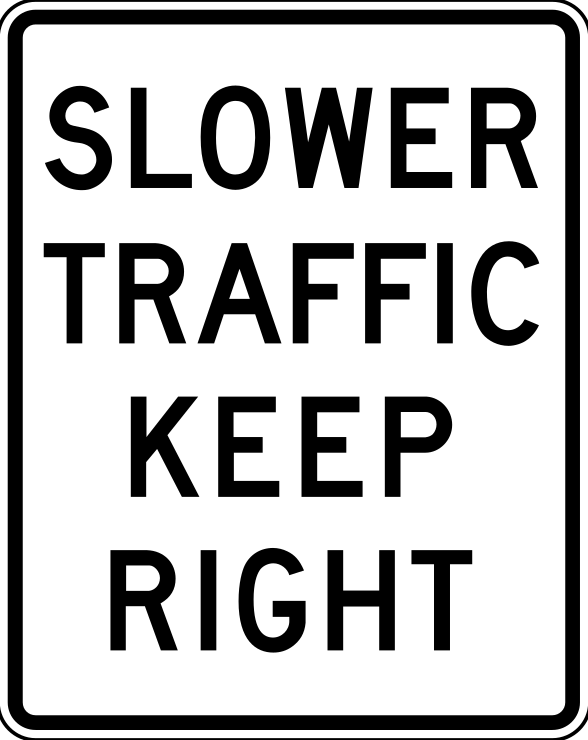 Slower traffic keep right
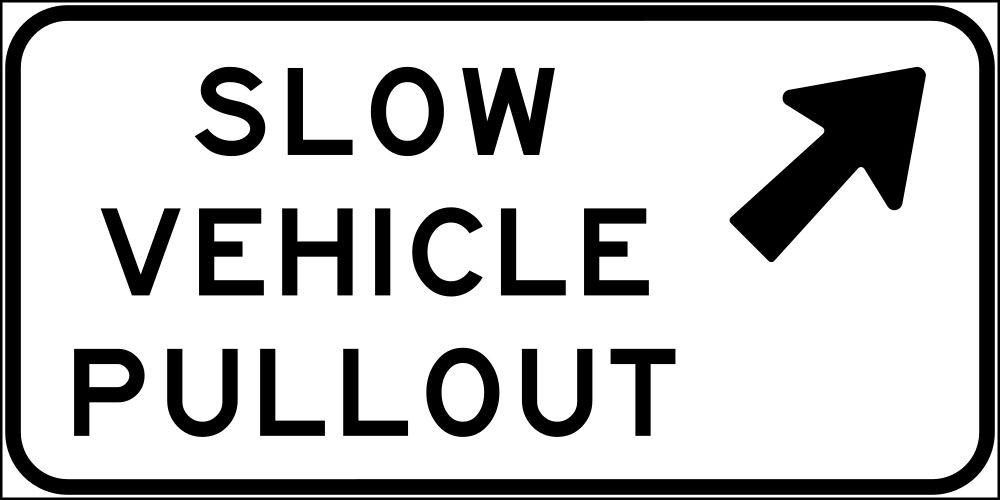 Slow vehicle pullout
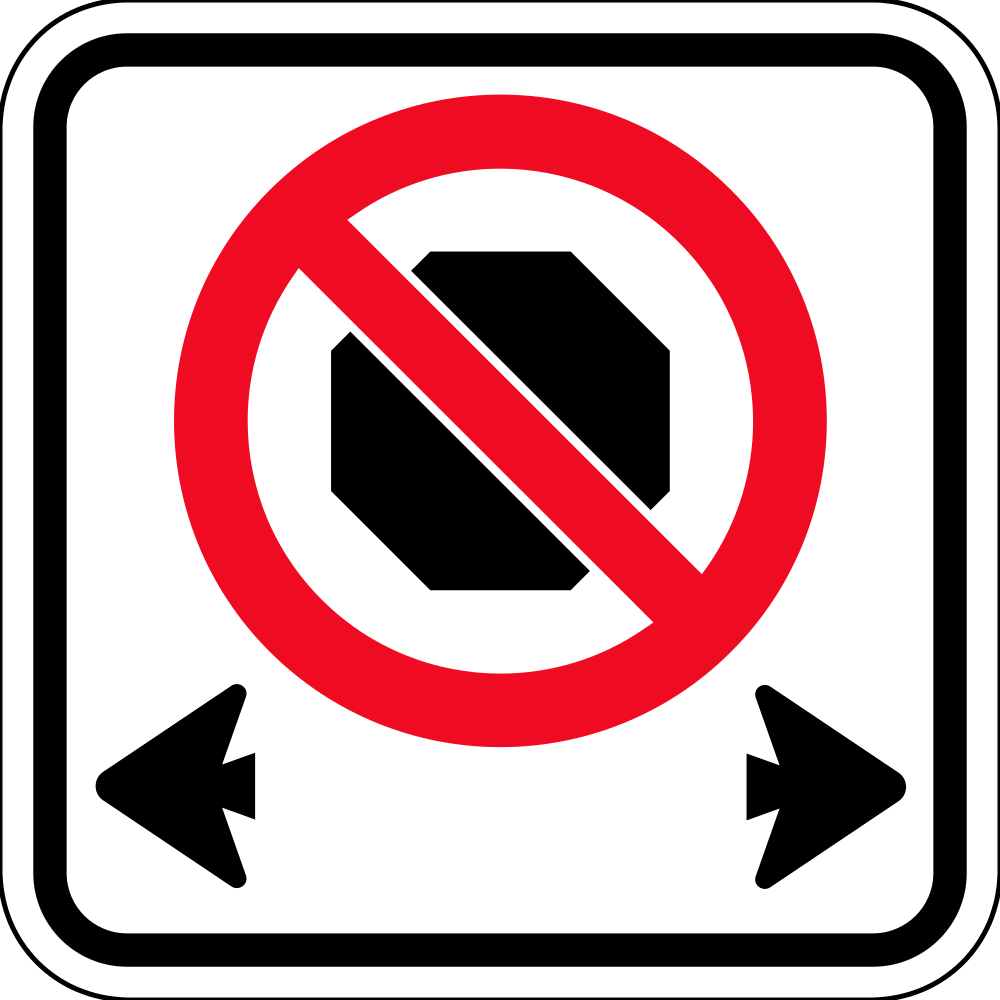 No stopping
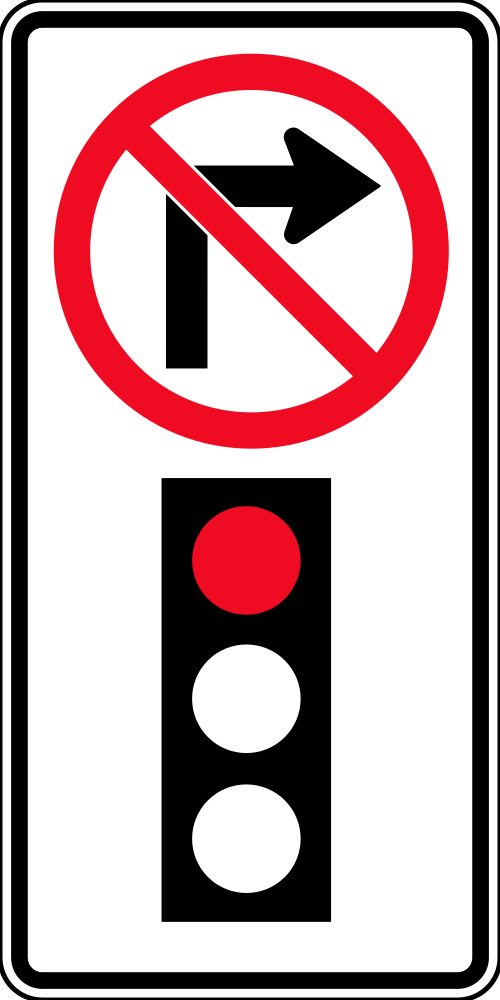 No right turn on red
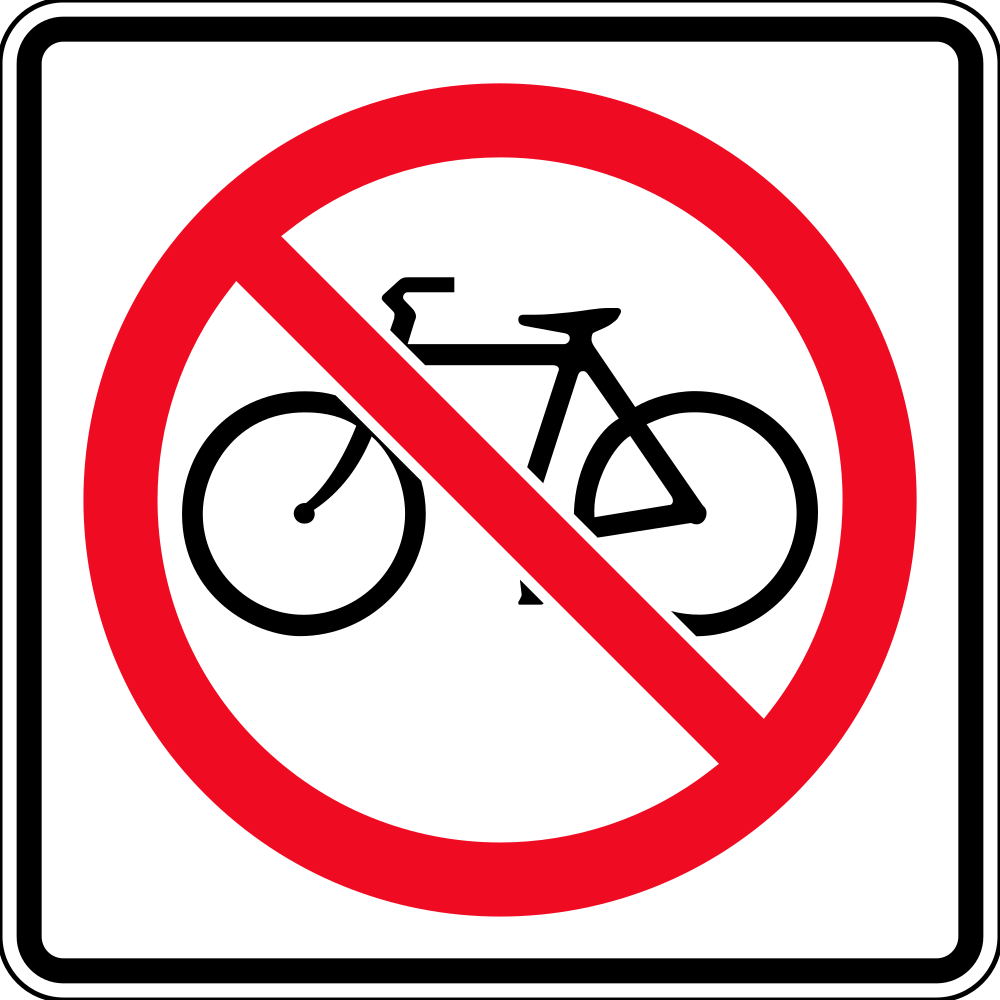 No bicycles
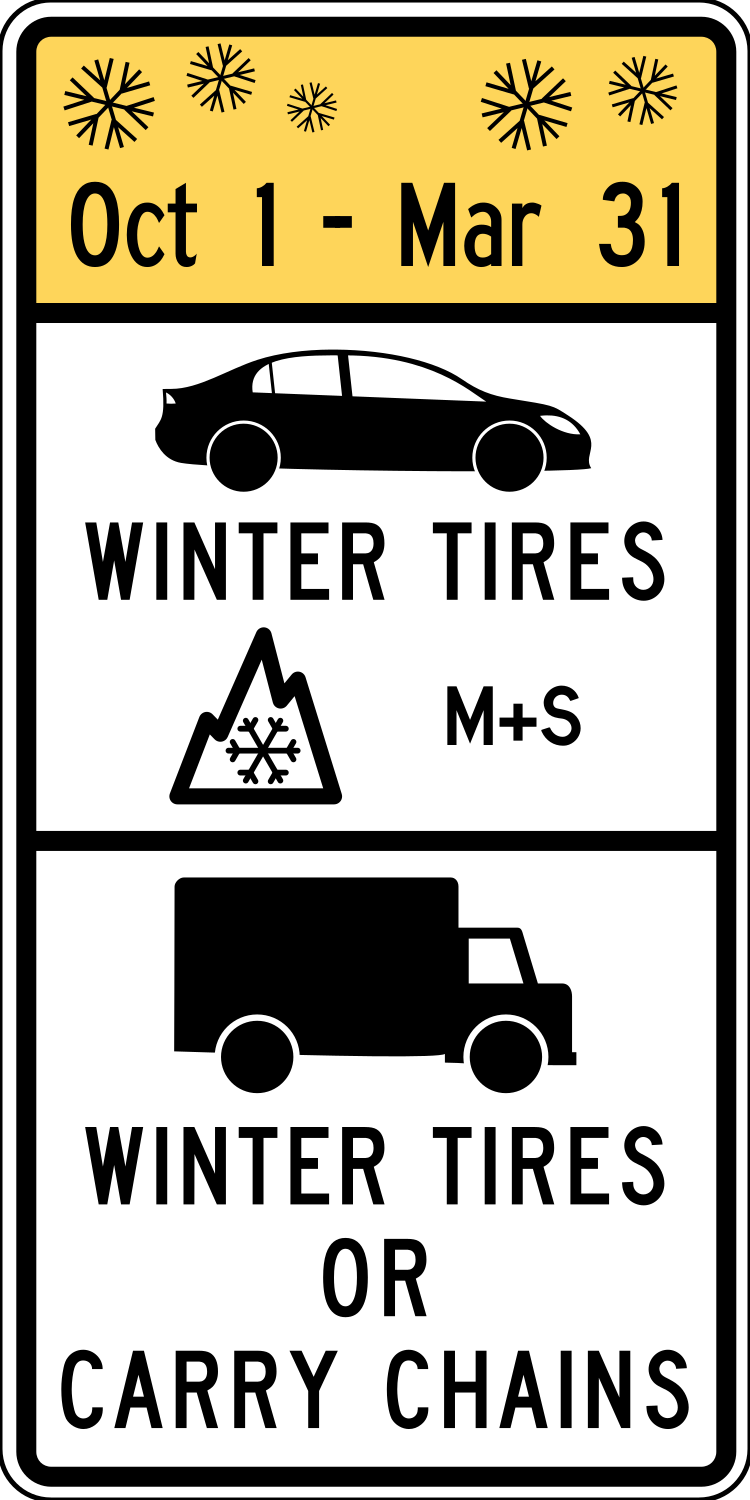 Winter tires or chains required
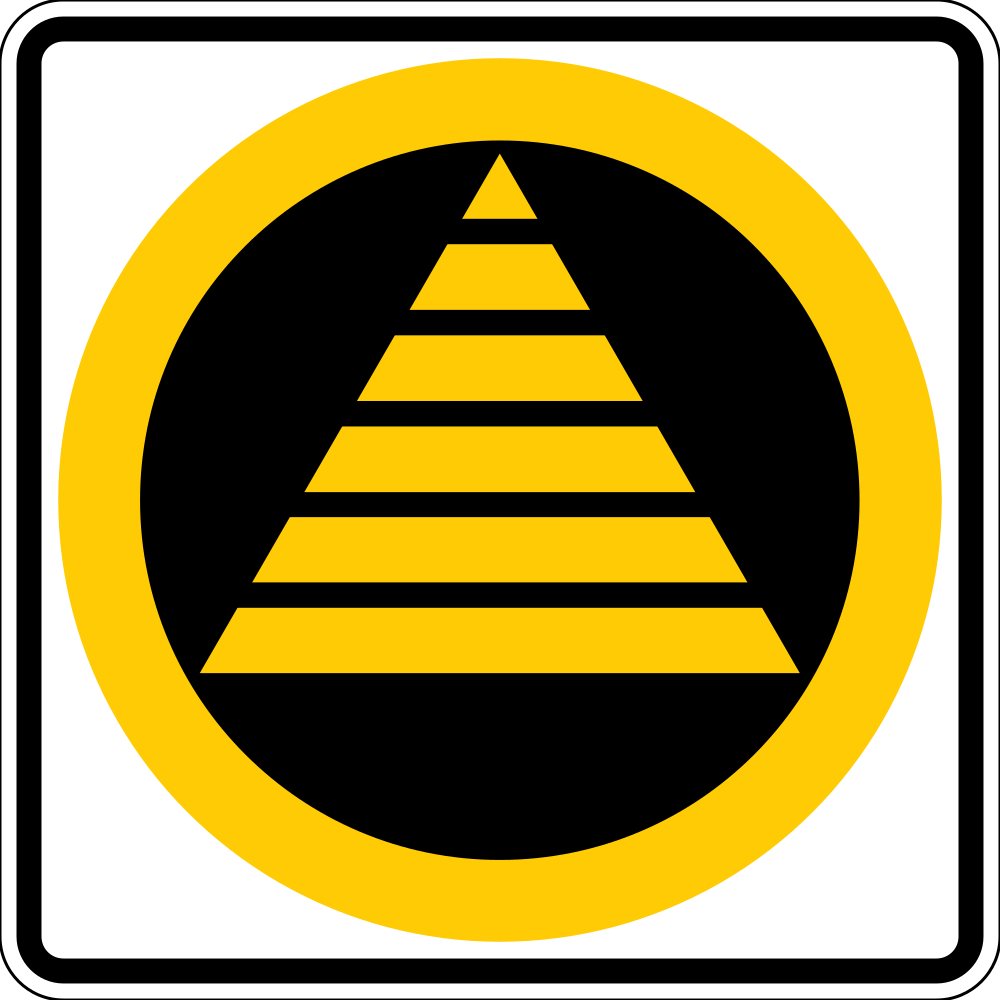 Disaster response route
Official source: Signs signals and road markings ↗ · Rules of the road ↗
3.School, playground and crosswalk signs
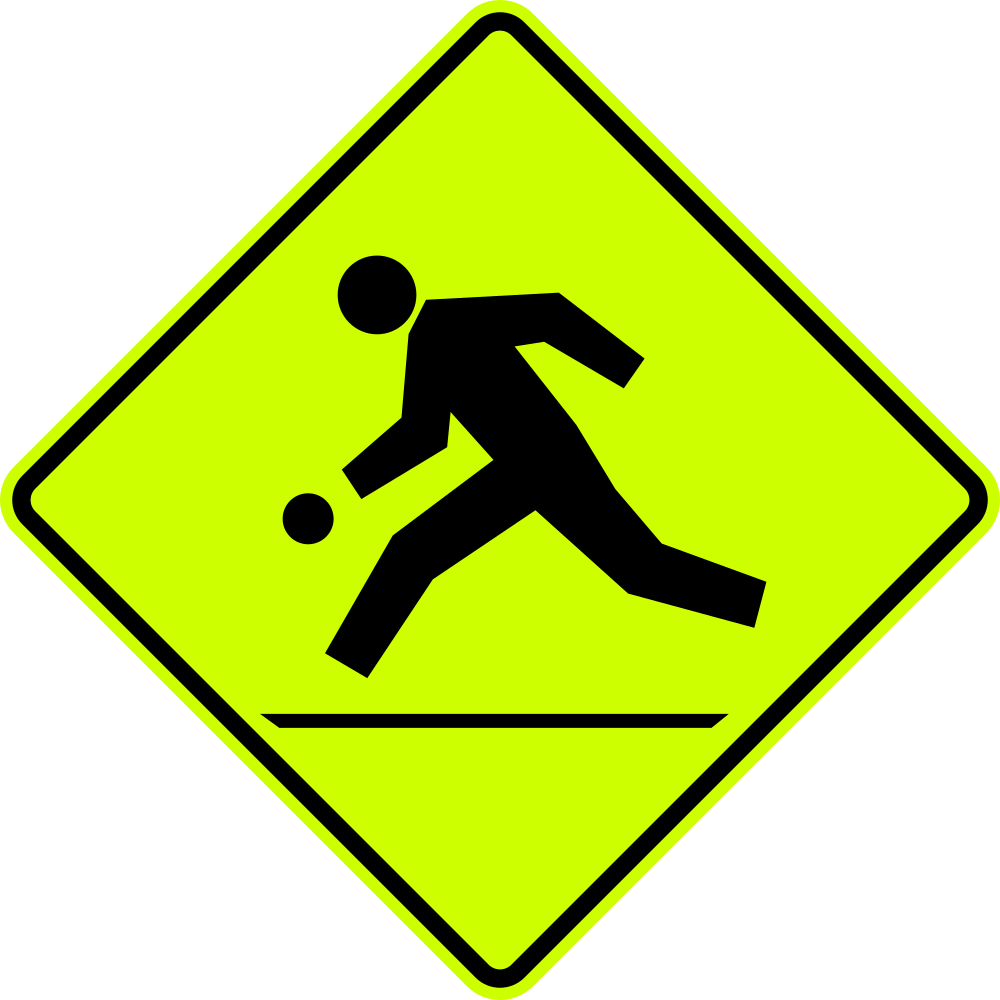
- School, playground and crosswalk signs tell you the rules in areas where you need to be extra cautious: smaller children are harder to see than adults and less predictable, so observe carefully in school and playground zones.
- A school zone sign whose tab shows only a speed limit means that limit is in effect from 8 a.m. to 5 p.m. on school days. When you see a 30 km/h school zone sign, slow to 30 km/h; the zone ends when you reach the back of the school zone sign on the other side of the street.
- If the tab shows both a speed limit and hours, those hours apply — in the guide's example, a 30 km/h limit from 8 a.m. to 5 p.m. on school days. A 50 km/h school zone sign applies from 8 a.m. to 5 p.m. on school days when children are on the roadway or shoulder.
- A school zone sign with no speed tab means reduce speed when children are present.
- In a playground zone the 30 km/h limit is in effect every day from dawn to dusk. A playground nearby sign means be prepared to slow down.
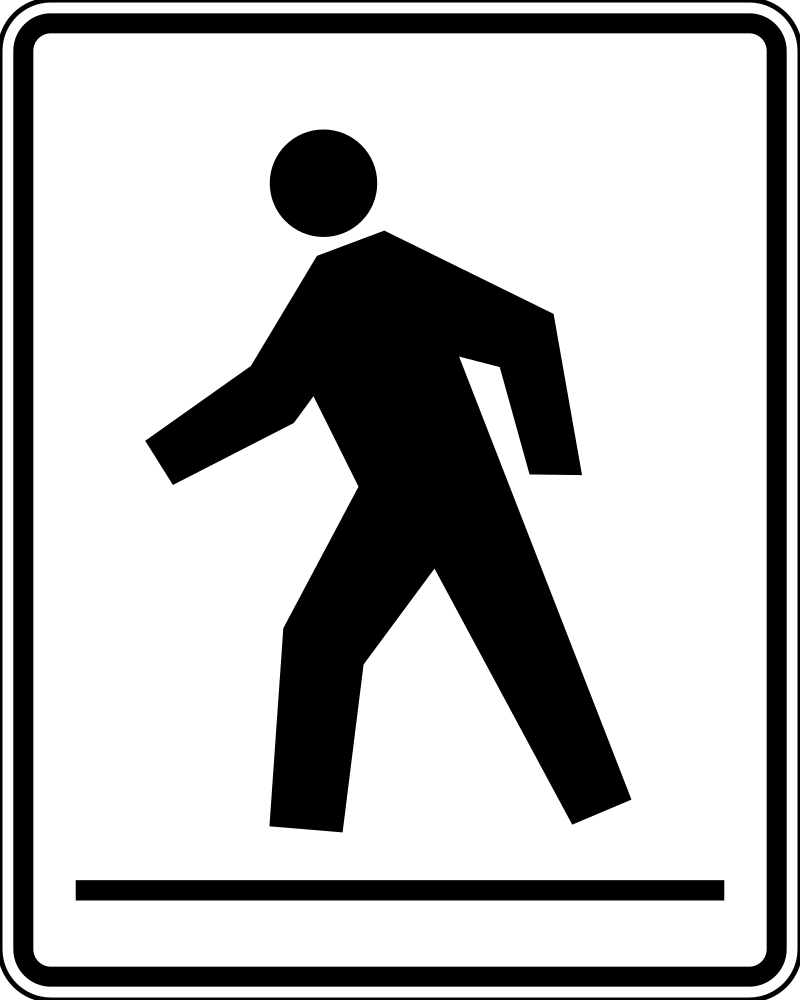
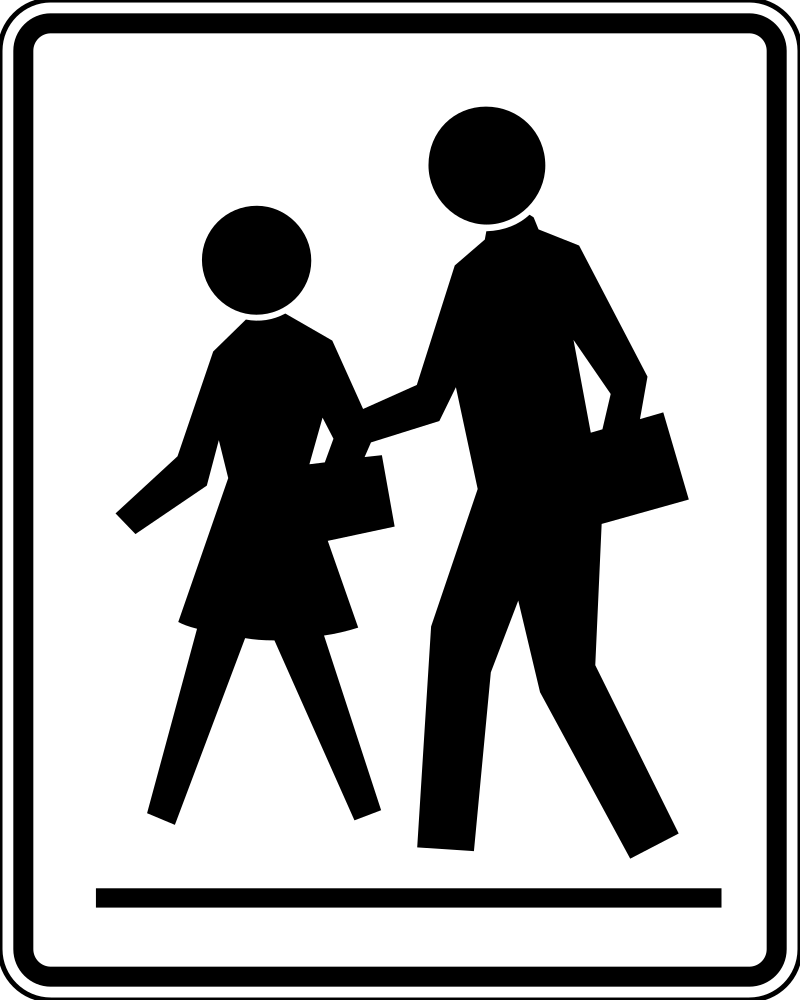
- Crosswalk signs: at a pedestrian crosswalk, yield to people crossing; at a school crosswalk, yield to pedestrians and follow the directions of a crossing guard; at a pedestrian-activated crosswalk, prepare to stop if the light is flashing. School patrols and crossing supervisors must be obeyed at all times.
- Crosswalks with flashing green lights are controlled by pedestrians: someone standing near one has probably pressed the button, so slow down and be prepared to stop. Never pass a vehicle stopped at a crosswalk — it is illegal and unsafe.
| Sign | Speed limit | When it applies |
|---|---|---|
| School zone, tab shows speed only | 30 km/h | 8 a.m. to 5 p.m. on school days |
| School zone, tab shows speed and hours | 30 km/h | The hours on the tab (8 a.m. to 5 p.m. on school days in the guide's example) |
| School zone, 50 km/h | 50 km/h | 8 a.m. to 5 p.m. on school days when children are on the roadway or shoulder |
| School zone, no speed tab | Reduce speed | When children are present |
| Playground zone | 30 km/h | Every day from dawn to dusk |
Signs in this section
Official source: Signs signals and road markings ↗ · Sharing the road ↗
4.Lane use and turn control signs
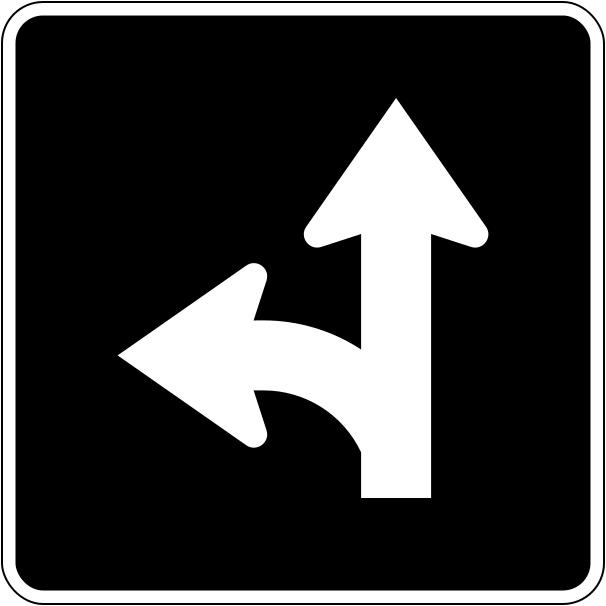
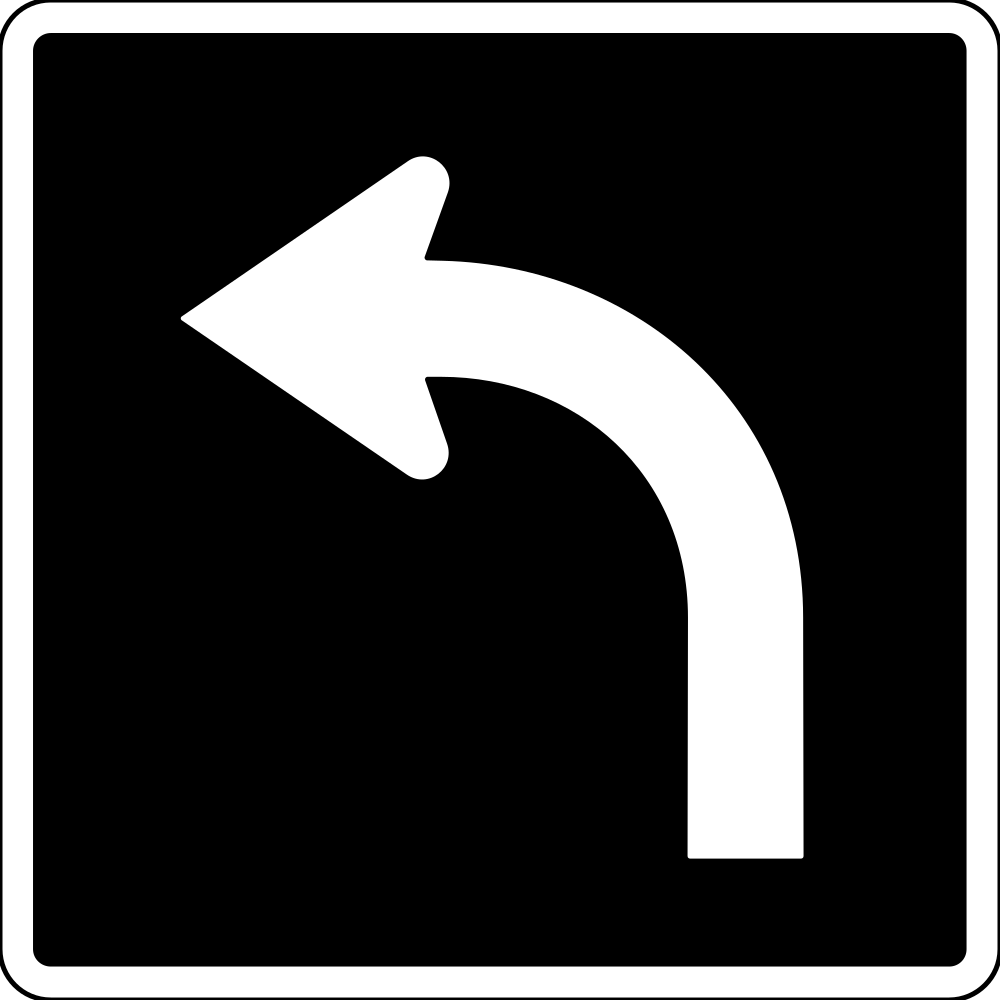
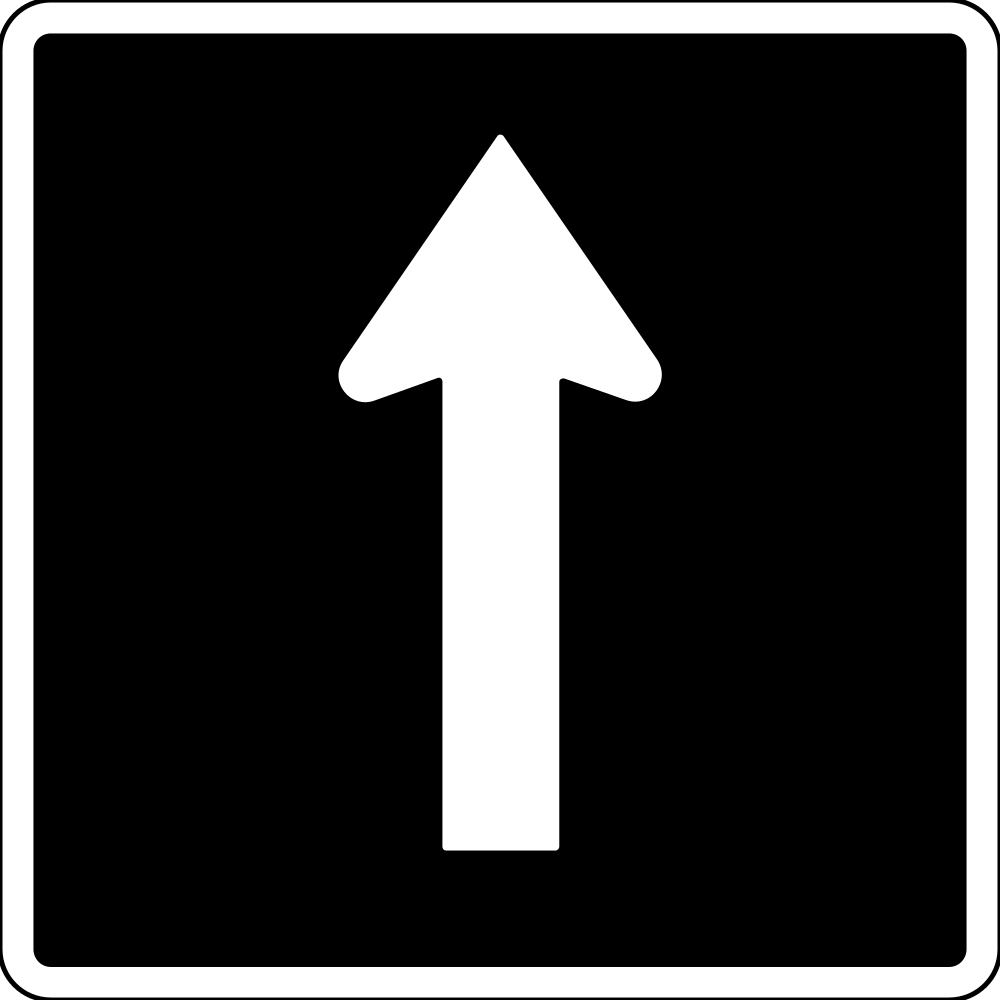
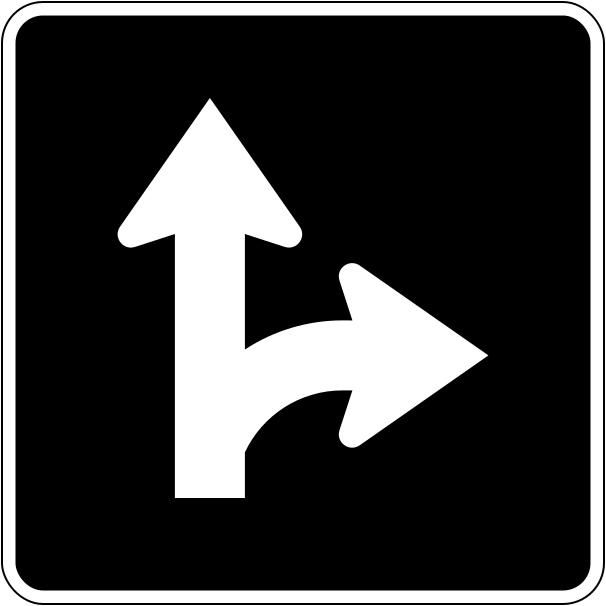
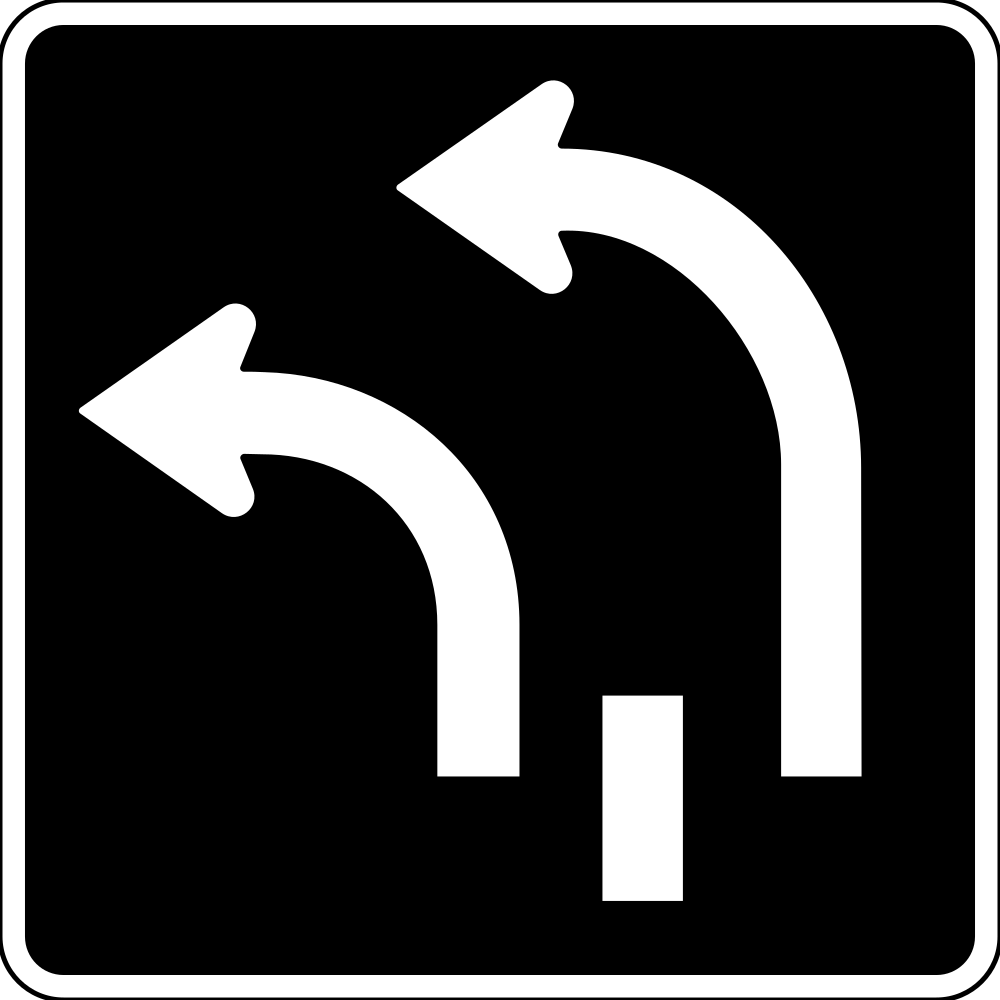
- Lane use signs show which lanes may be used to turn or to go straight. They are mounted above the lane, or at the side of it, before the intersection.
- In a designated lane you must follow the direction of the arrows, and you may not move into or out of a designated lane while you are in the intersection.
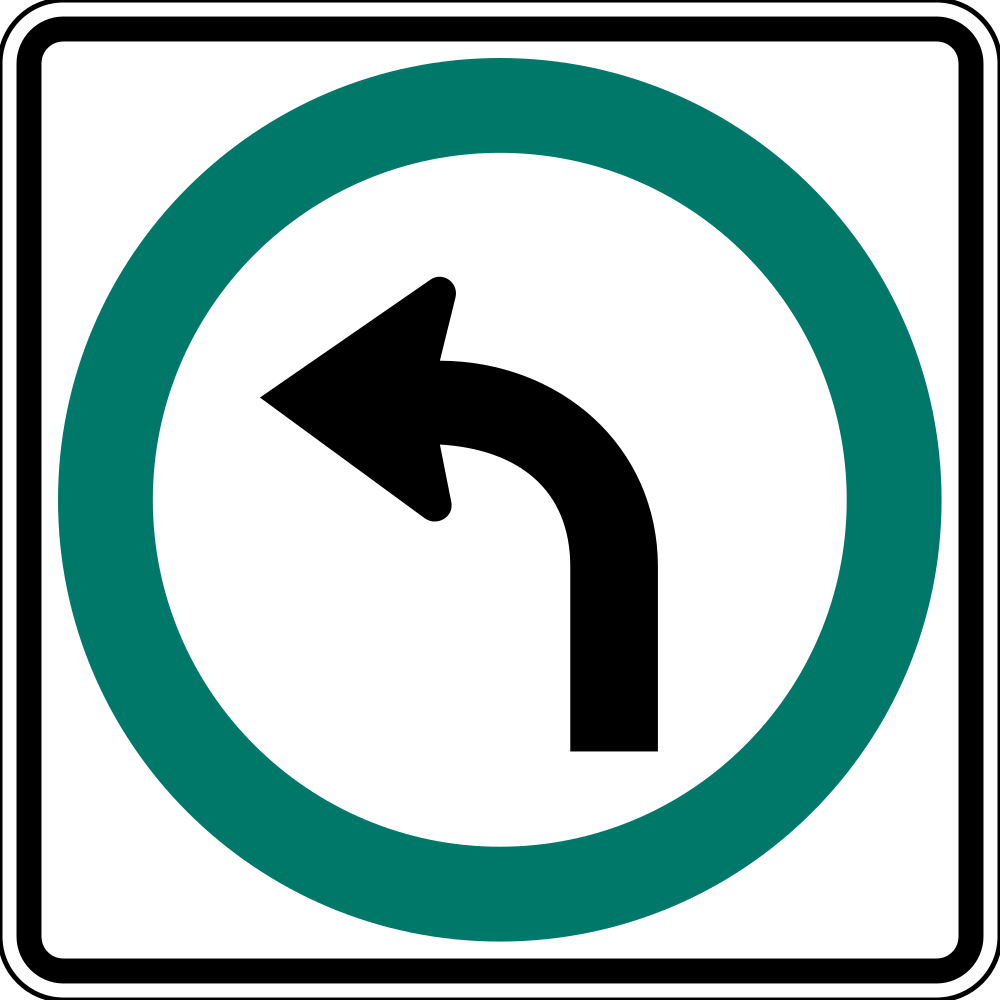
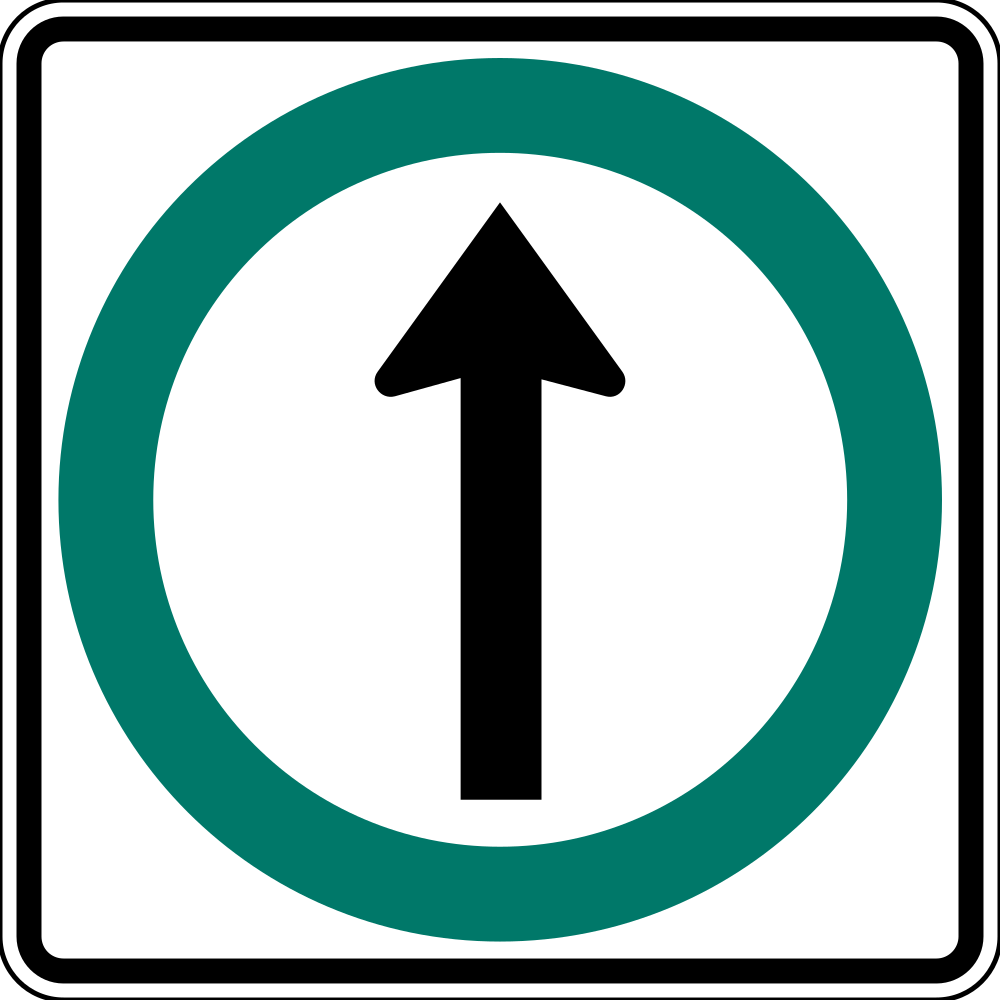
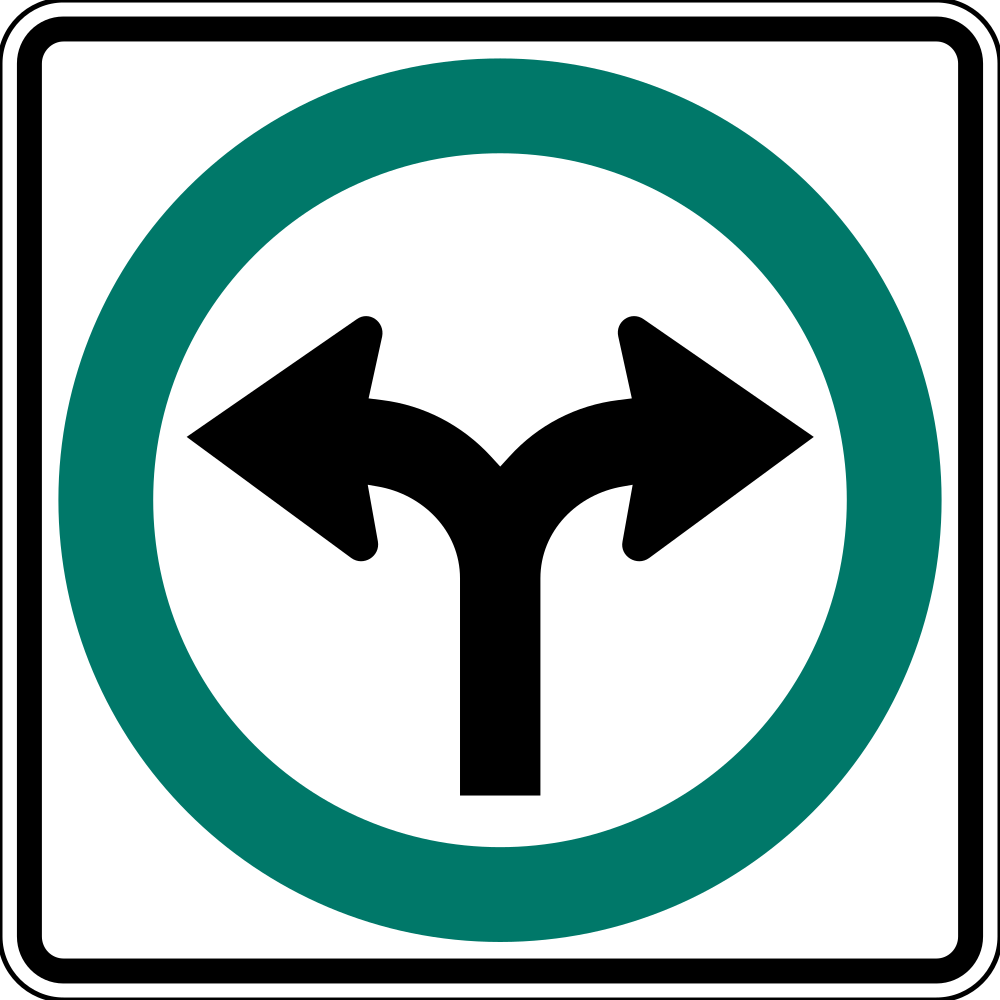
- The guide's lane use signs: turn left only; continue straight only; go through or turn left; go through or turn right; vehicles from both directions must turn left with no through traffic allowed; and vehicles in both of these lanes must turn left.
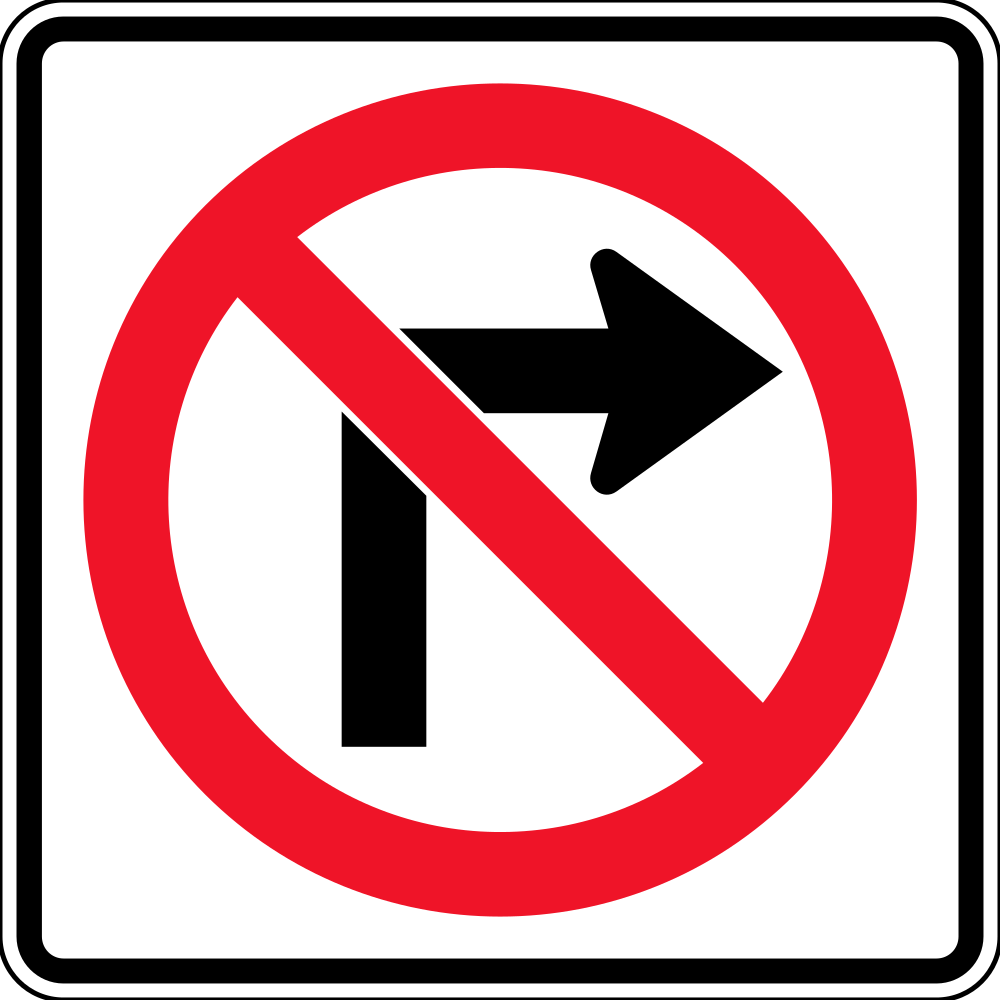
- Turn control signs are mounted directly above the intersection and you must follow the direction of the arrow: left turn only; go straight only, no turns; turn right or left only; and no right turns during the posted times.
- Large intersections may have more than one right- or left-turn lane: look carefully at the pavement markings, lane-use signs and signals. Turning from the lane next to the far-left lane, you turn into the lane next to the far-left lane of the cross street.
- As you approach any intersection, check the signs and pavement markings so you are in the correct lane to turn or go straight. Use a lane marked with turn arrows only if you are turning, and remember that a two-way left-turn lane in the centre is shared by vehicles coming from both directions.
Signs in this section
Official source: Signs signals and road markings ↗ · Rules of the road ↗
5.Parking and reserved lane signs
- Parking signs tell you where and when you are allowed to park. If you park illegally you may be fined, your vehicle may be towed, or both.
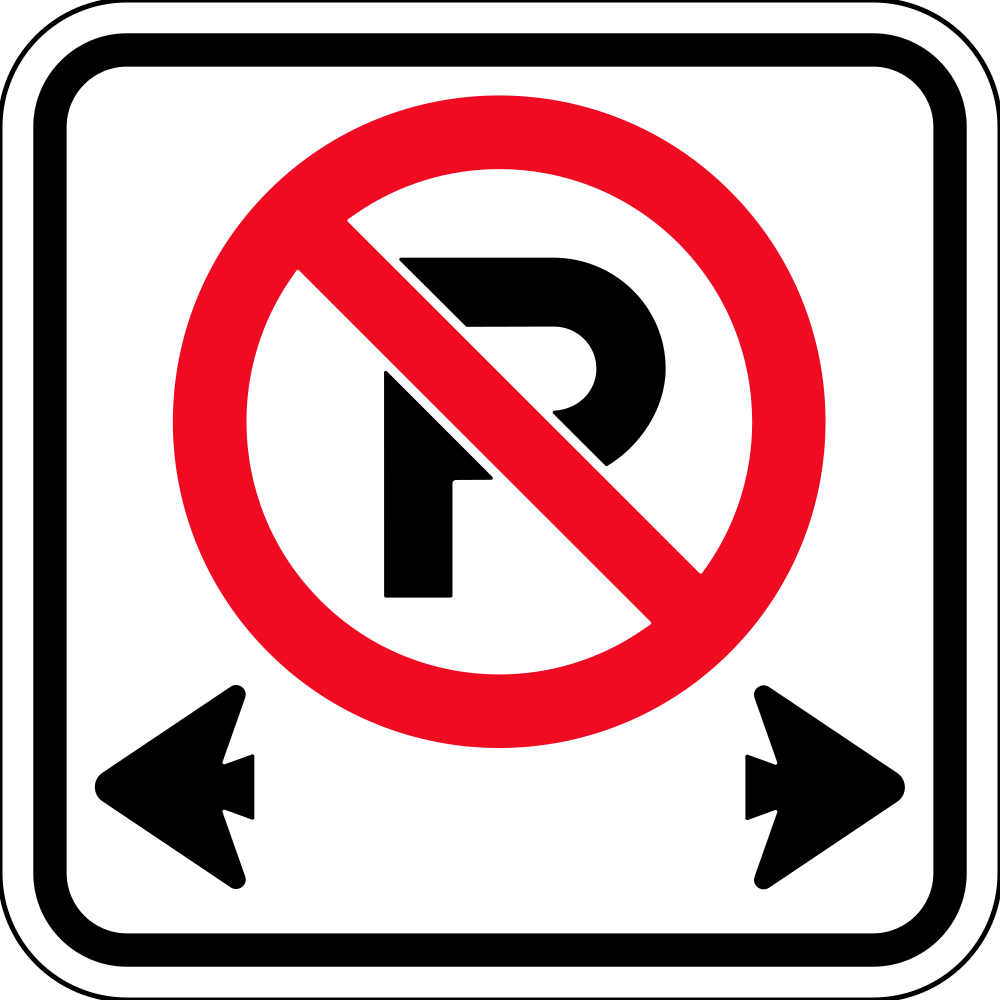
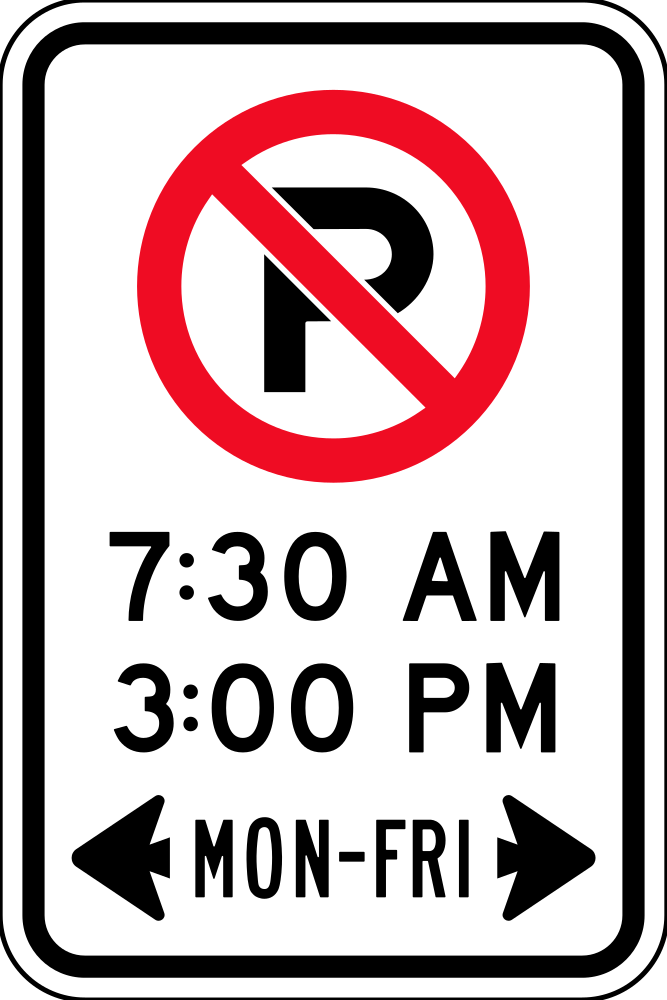
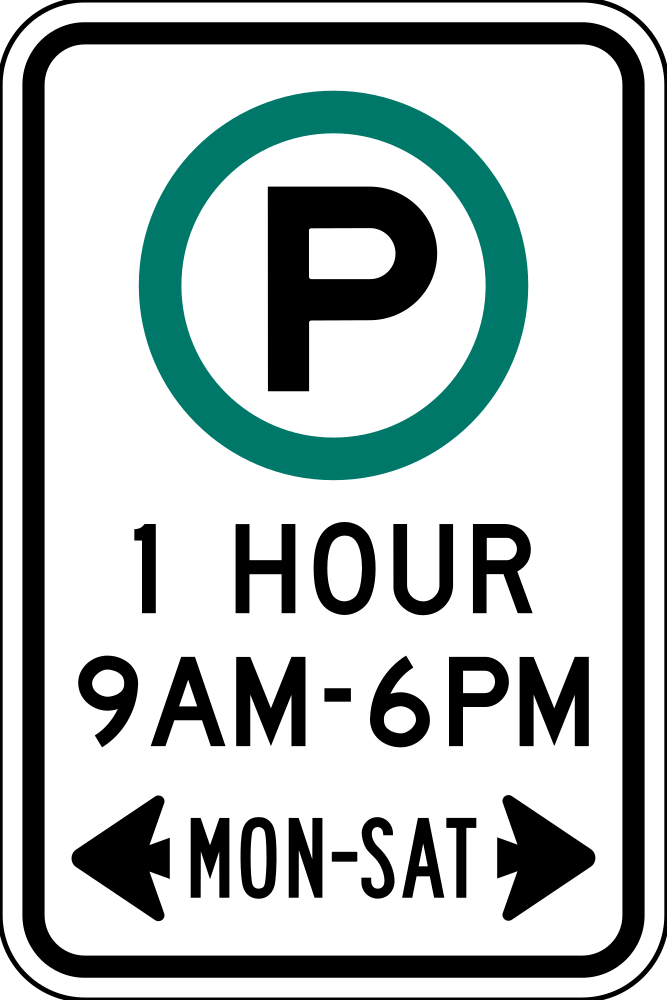
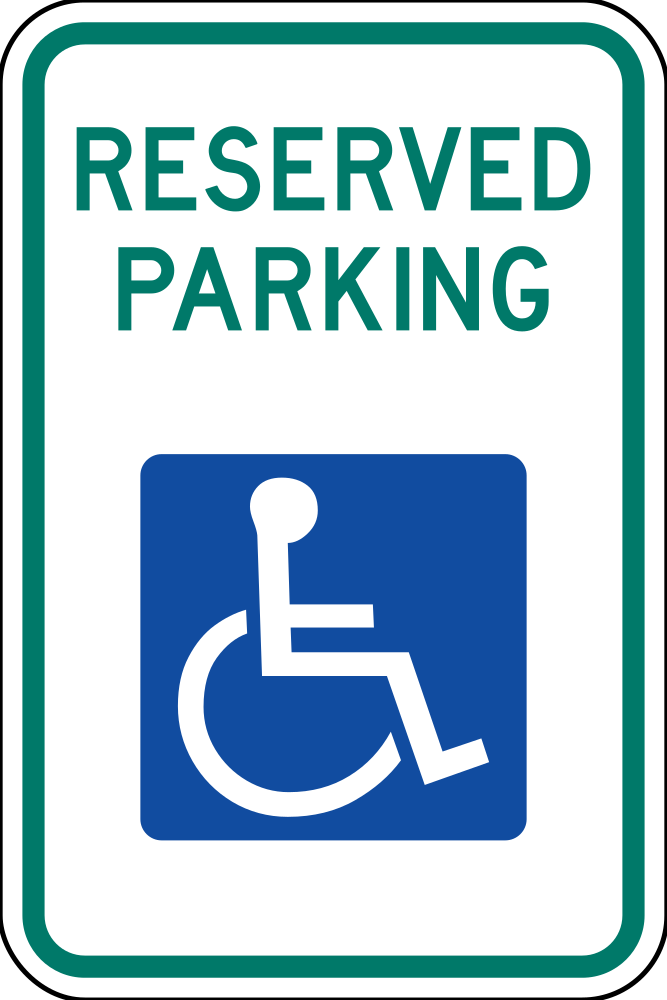
- The guide's parking signs: do not park here; parking is not allowed during the posted times; time-limited parking during the posted times; and parking only for vehicles displaying the disabled parking sign and carrying a person with disabilities.
- Even without a sign, it is illegal to park where the curb is painted yellow or red, within 5 metres of a fire hydrant, within 6 metres of a crosswalk, intersection, stop sign or traffic light, within 15 metres of the nearest rail of a railway crossing, or where your vehicle blocks the view of a traffic sign.
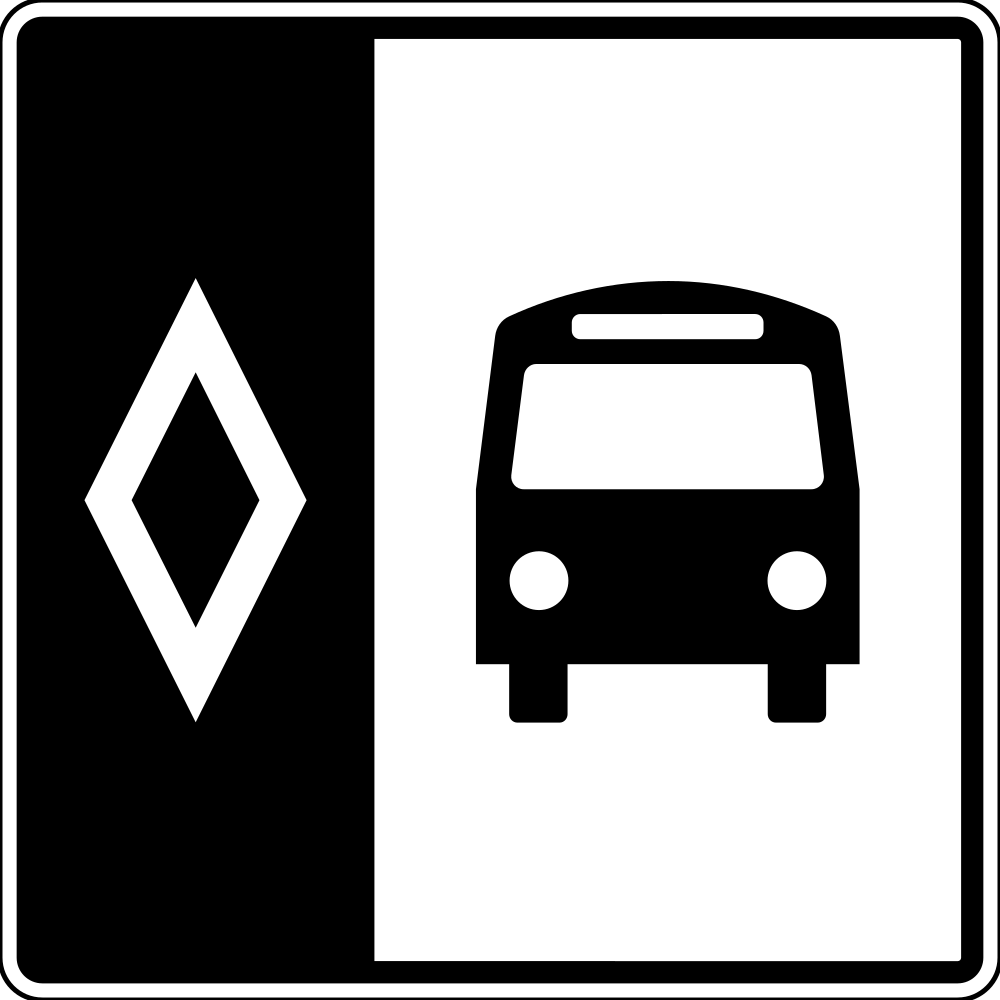
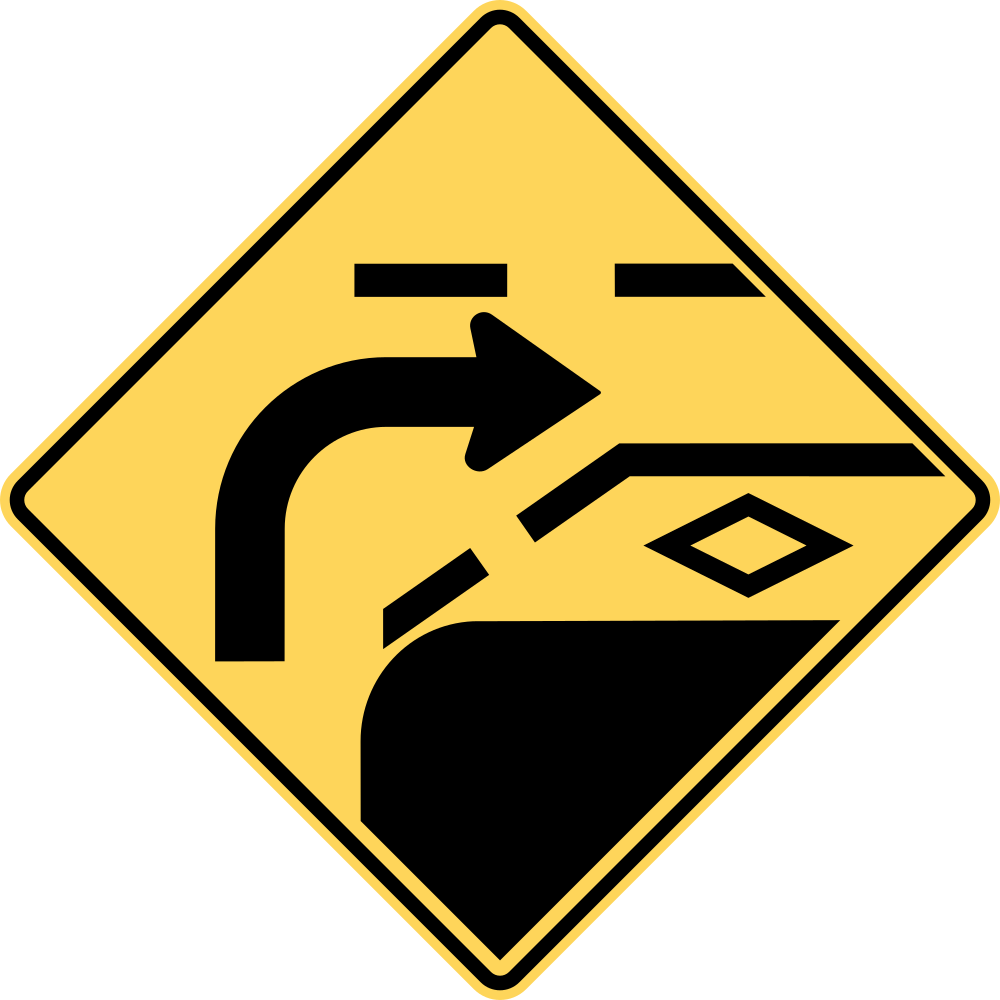
- A white diamond painted on the road marks a reserved lane, and reserved lane signs stand over or beside lanes kept for buses or high occupancy vehicles (HOVs). A bus lane sign shows a diamond and a bus: only buses, and sometimes cyclists, may use the lane, plus vanpools with 6 or more occupants where a Vanpool Permitted tab is shown below the sign.
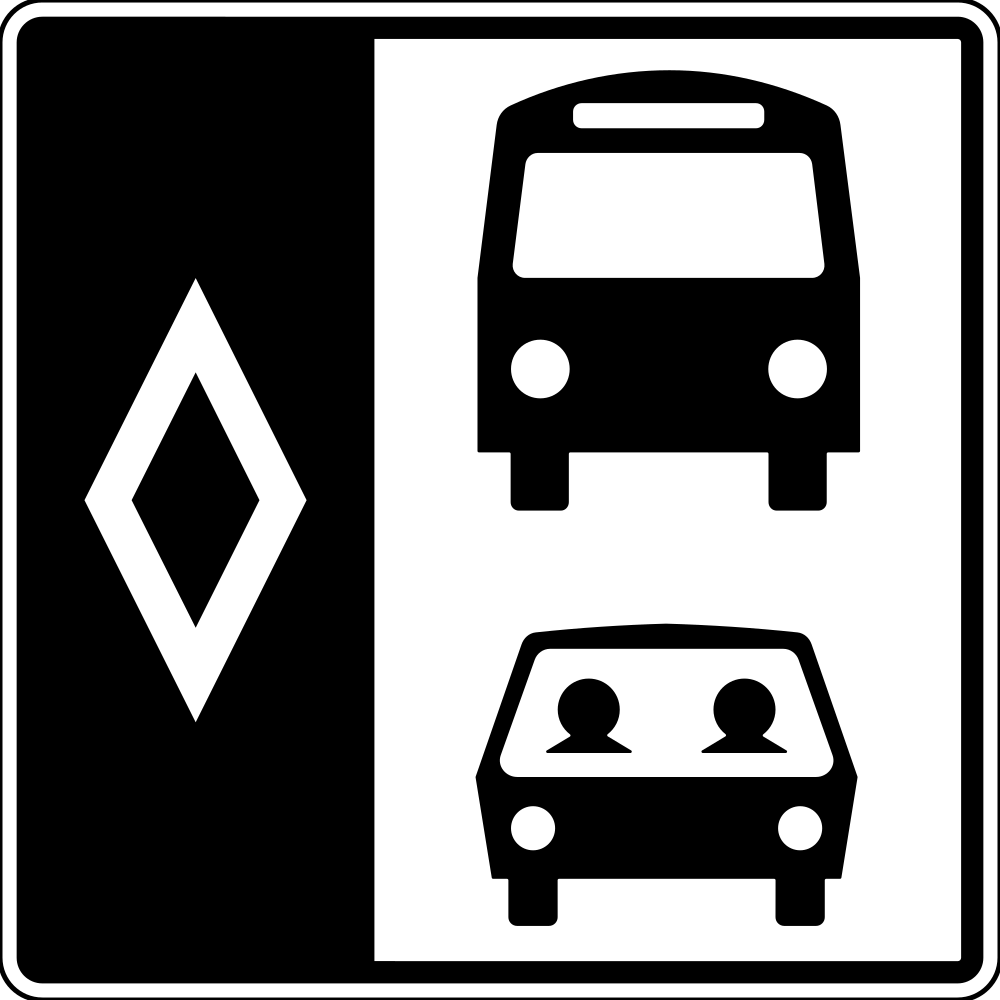
- An HOV lane sign may show how many people must be in the vehicle. HOV lanes are reserved for buses and carpools, and motorcycles, bicycles and taxis may use them on some roads; most operate 24 hours a day but some only at peak times, so read the signs: they say where the lane begins and ends, when it operates and the minimum number of people required.
- Enter and leave an HOV lane only where broken lines mark a crossing point. A warning sign that says the curb lane of the cross street ahead is a reserved lane tells you to turn into the lane next to the reserved lane, unless you are entitled to use it.
Signs in this section
Official source: Signs signals and road markings ↗ · Rules of the road ↗
6.Warning signs and object markers
- Most warning signs are yellow and diamond-shaped. They warn of possible hazards ahead, so slow down and be ready for what the sign shows.
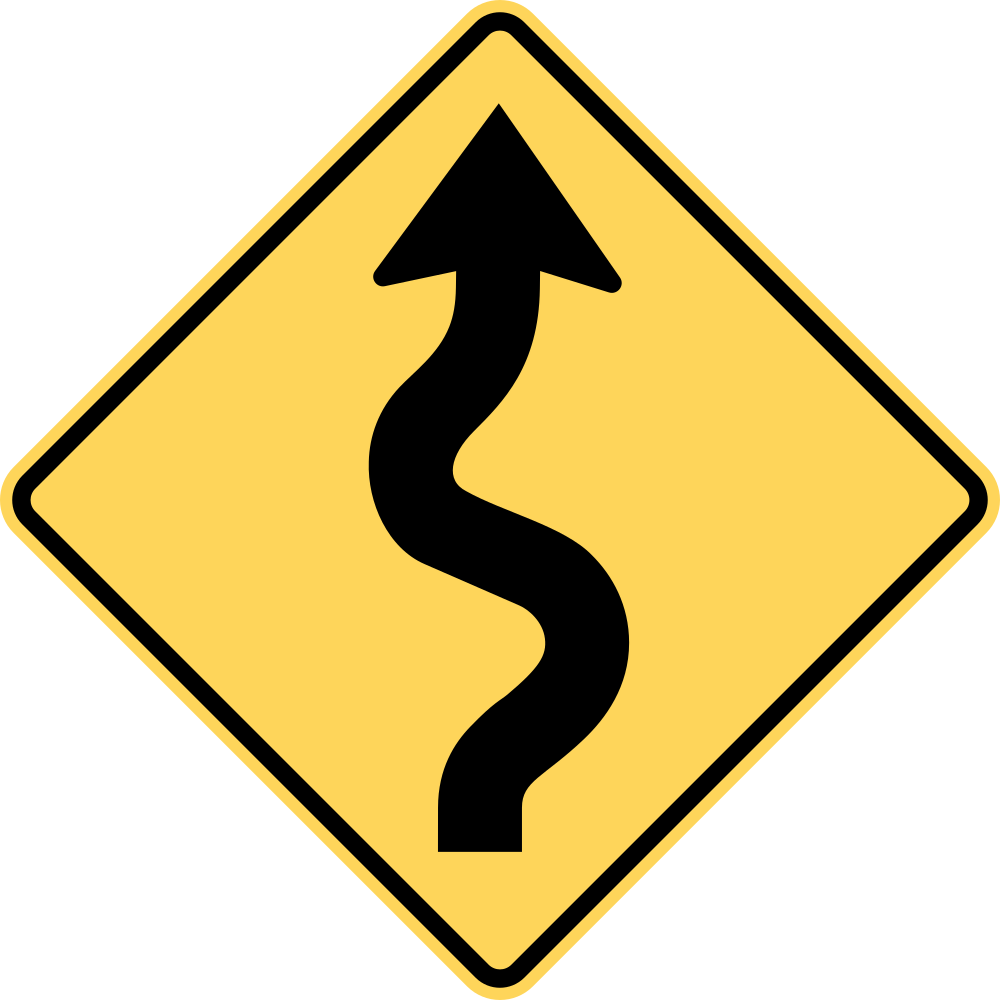
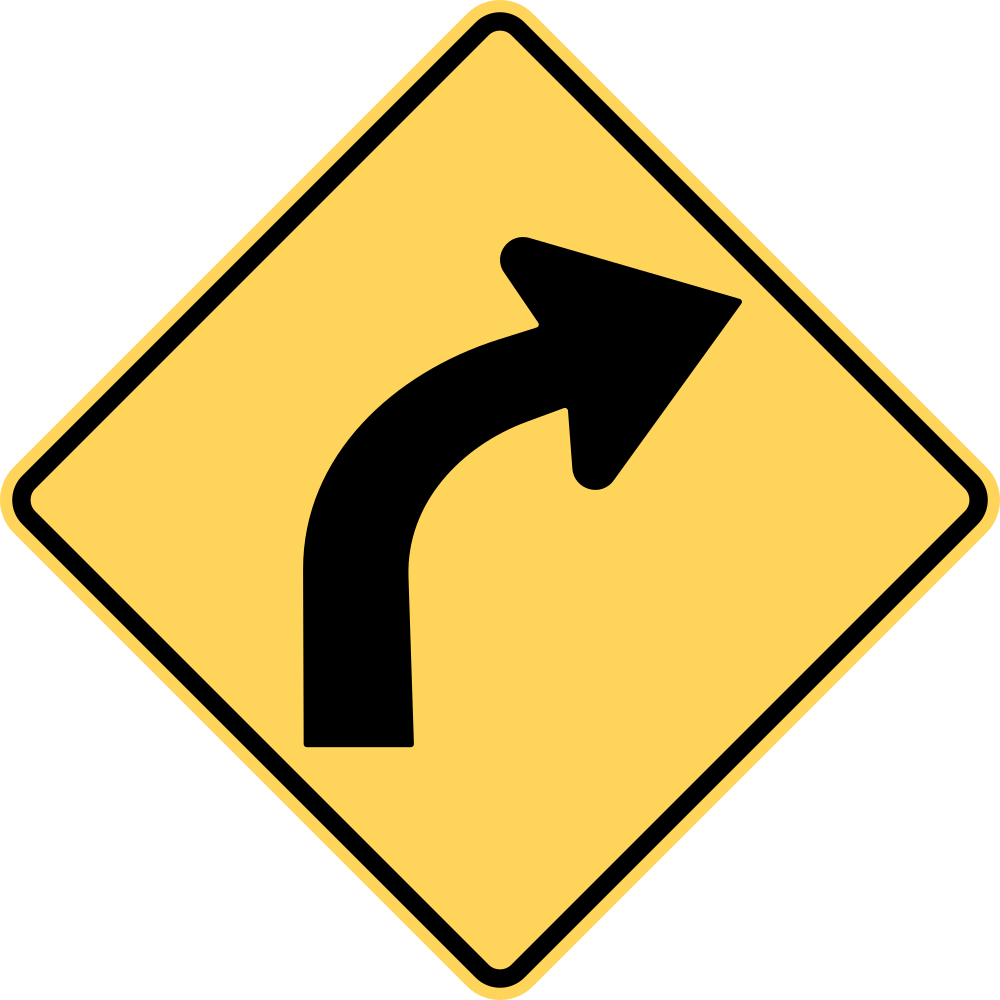
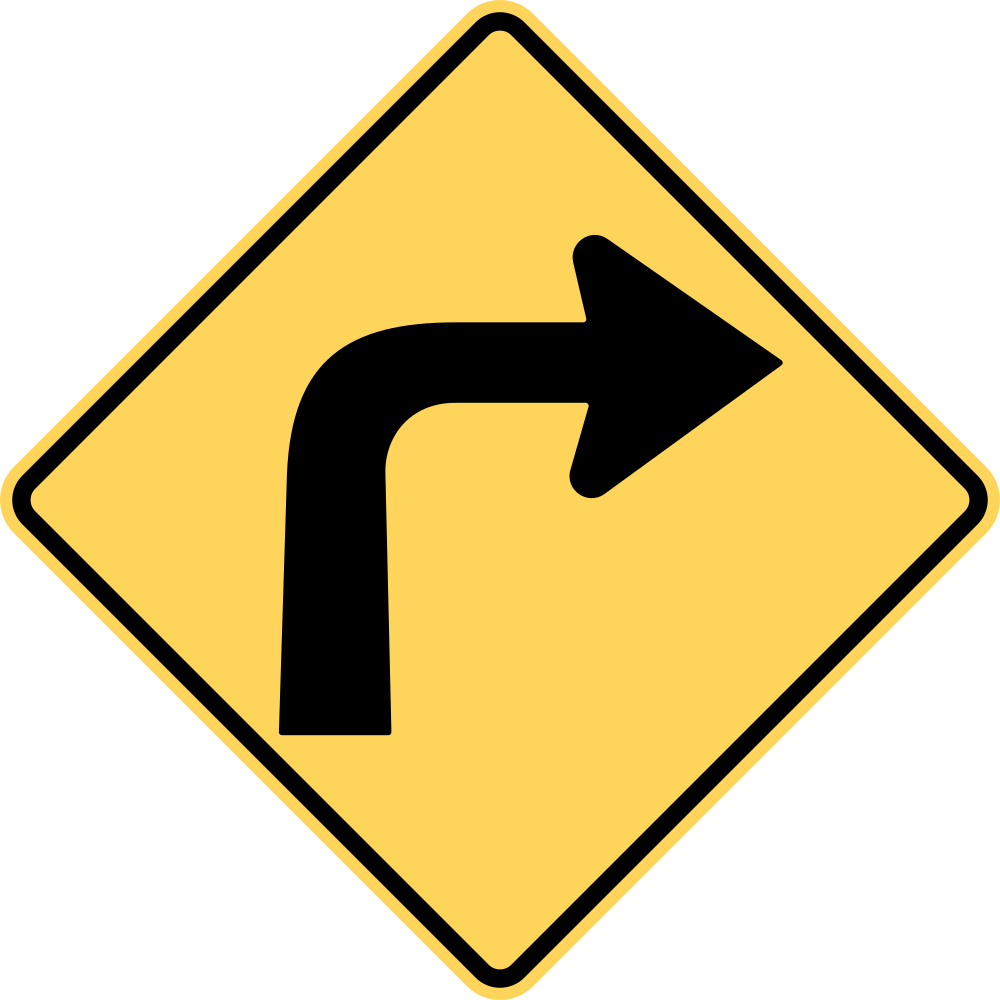
- Road shape: winding road ahead; curve ahead, slow down; sharp curve ahead, slow to the advisory speed shown; hidden side road ahead; steep hill ahead, slow down; bump or rough road ahead; and road may be slippery ahead.
- Lanes and roadway: merging traffic ahead; road merges with another road, adding a lane on the right; right lane ends ahead; road narrows ahead; narrow structure ahead, often a bridge; two-way traffic ahead; divided highway ends ahead, keep right; and pavement ends ahead.
- Traffic controls ahead: stop sign ahead; signal lights ahead; signal lights ahead, prepare to stop when the lights are flashing; roundabout ahead; and highway or freeway exit, slow to the advisory speed shown.
- Other road users: pedestrian crosswalk ahead; school crosswalk ahead, on a fluorescent yellow-green sign; school bus stop ahead; cyclists may be on the roadway; fire truck entrance ahead; truck crossing ahead; and watch for deer ahead.
- Surroundings: watch for rocks on the road ahead; opening bridge ahead; snow shed ahead; tunnel ahead; use headlights ahead; remove sunglasses; and hazard or danger ahead, turn right or left.
- Object markers are mounted on obstructions, so pay special attention to them: one tells you to keep right, one to keep left, and one that you may keep right or left.
Signs in this section
 Winding road ahead
 Curve ahead
 Sharp curve ahead (advisory speed)
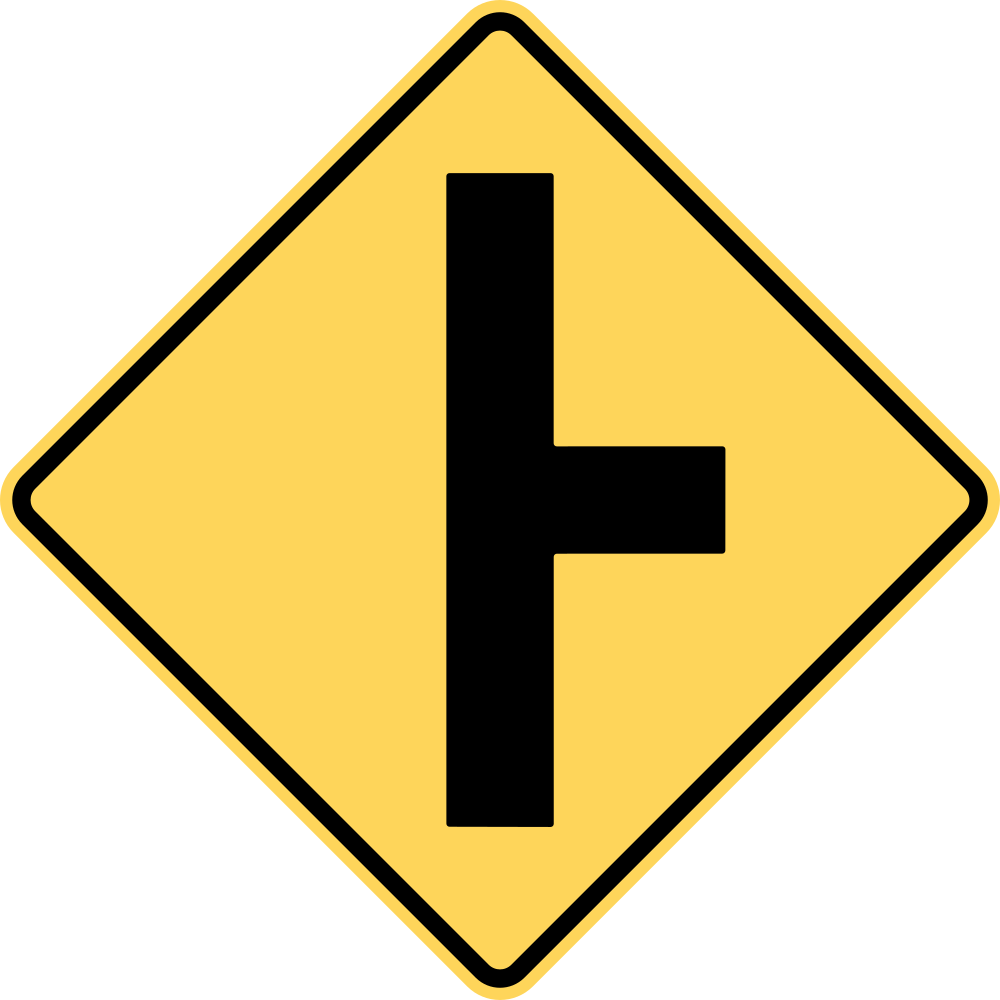 Hidden side road ahead
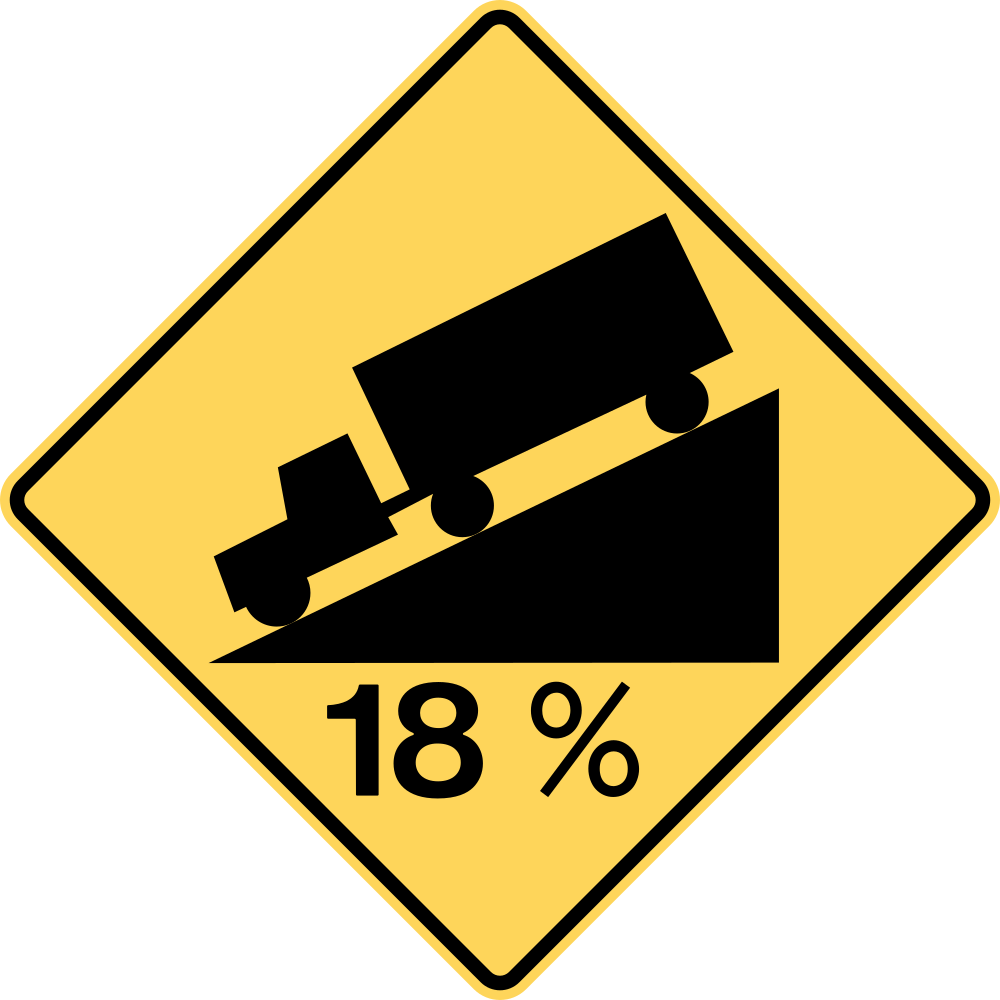 Steep hill
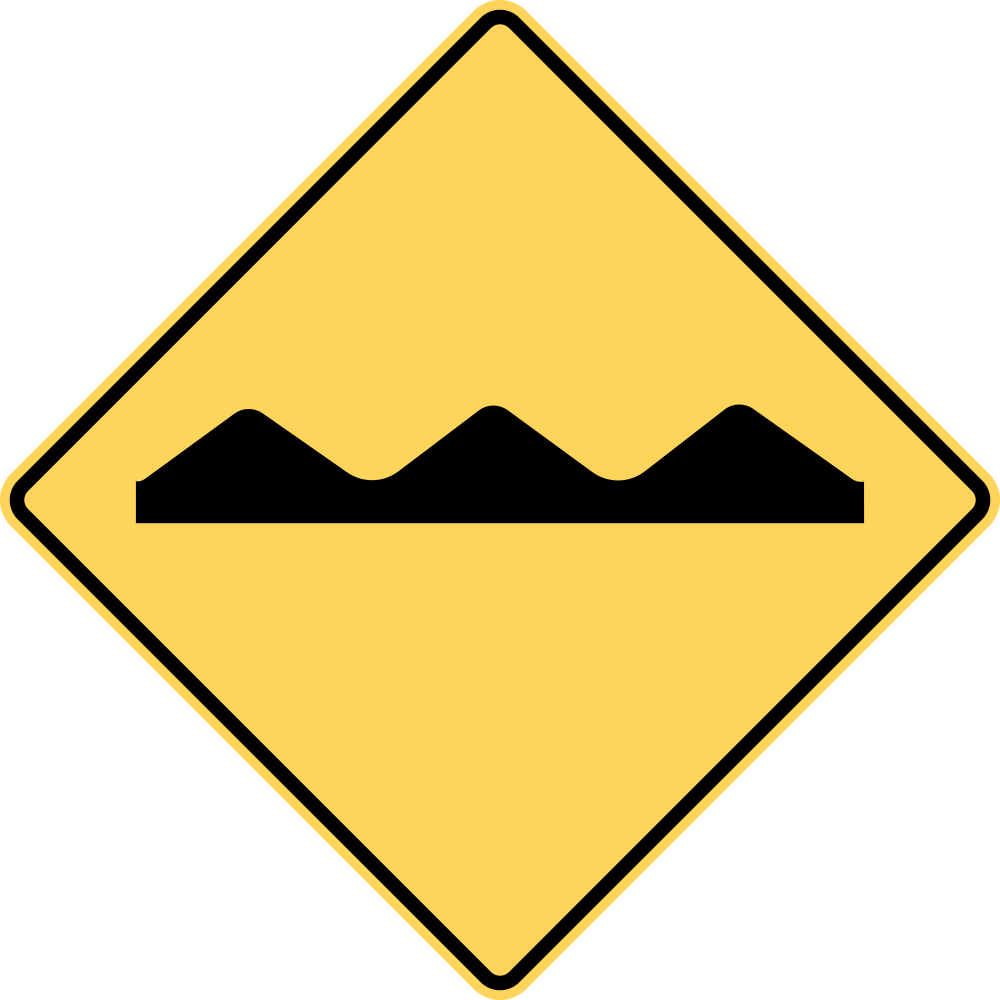 Bump or rough road
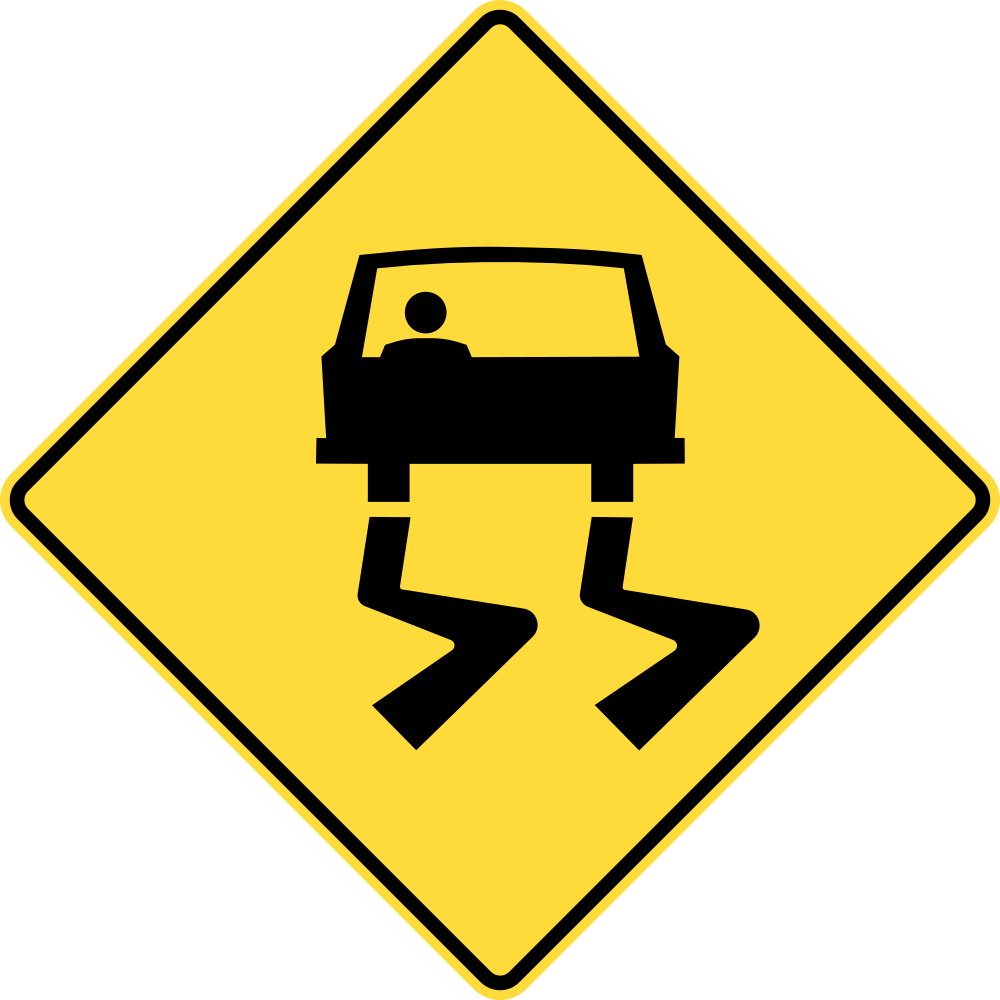 Slippery road
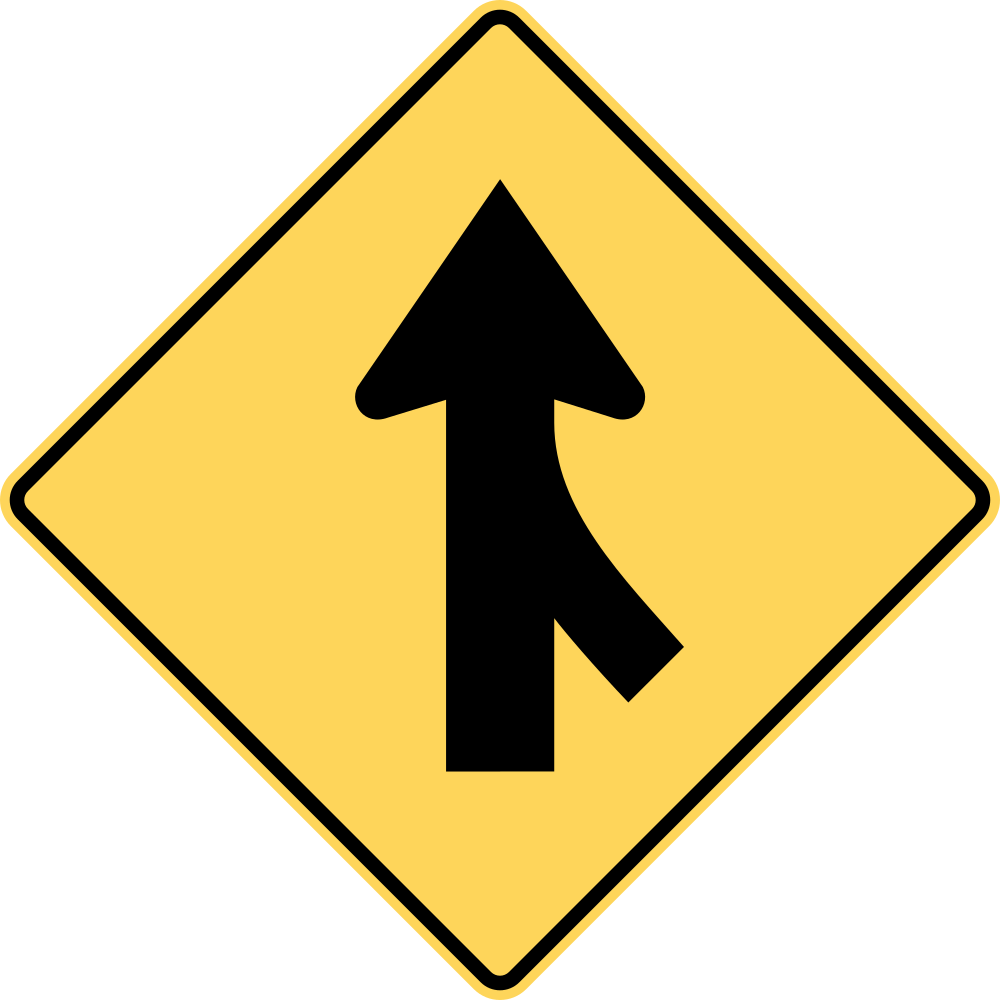 Merging traffic ahead
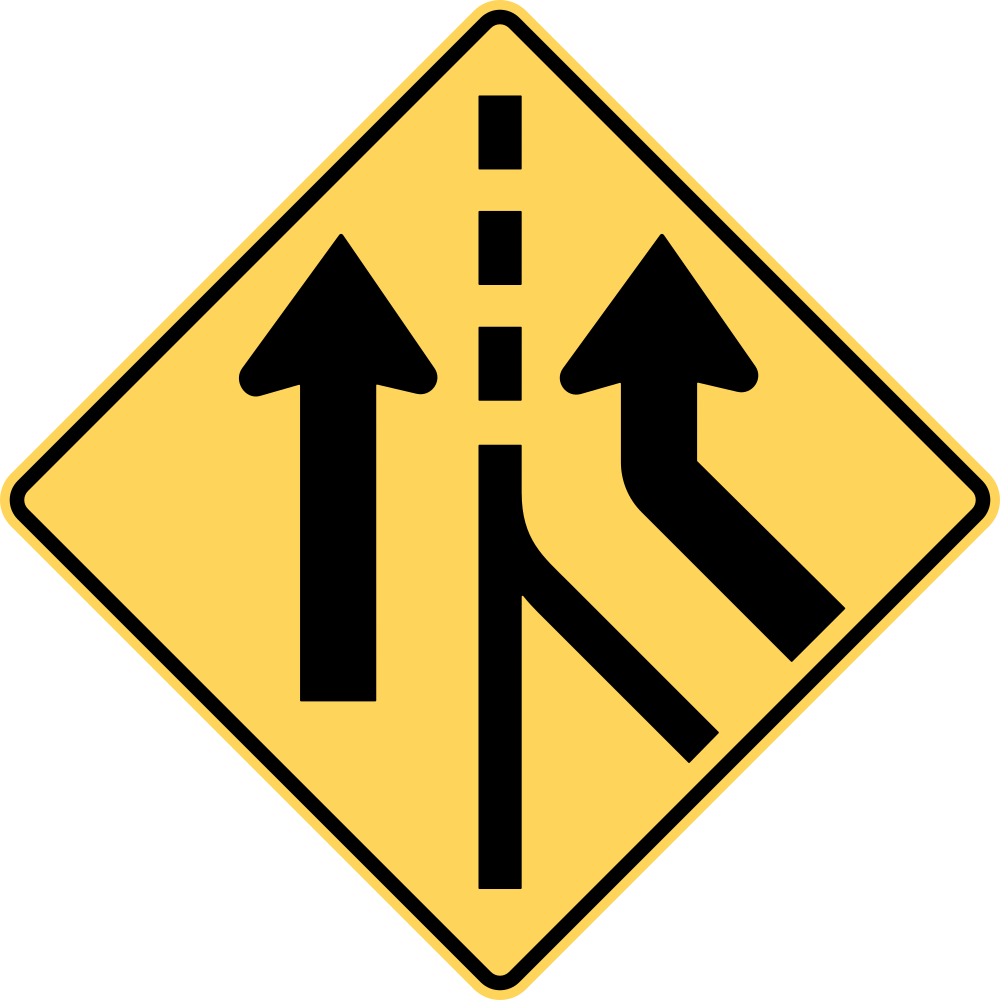 Added lane ahead
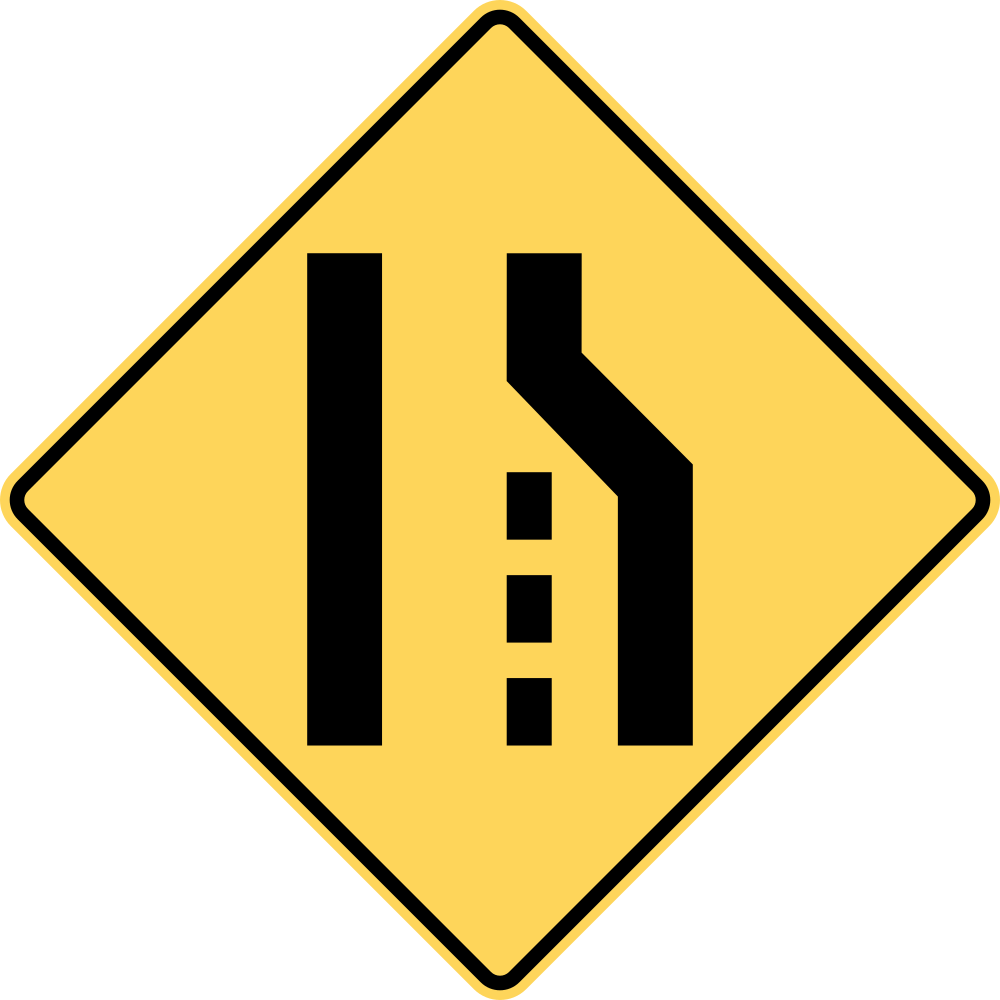 Right lane ends
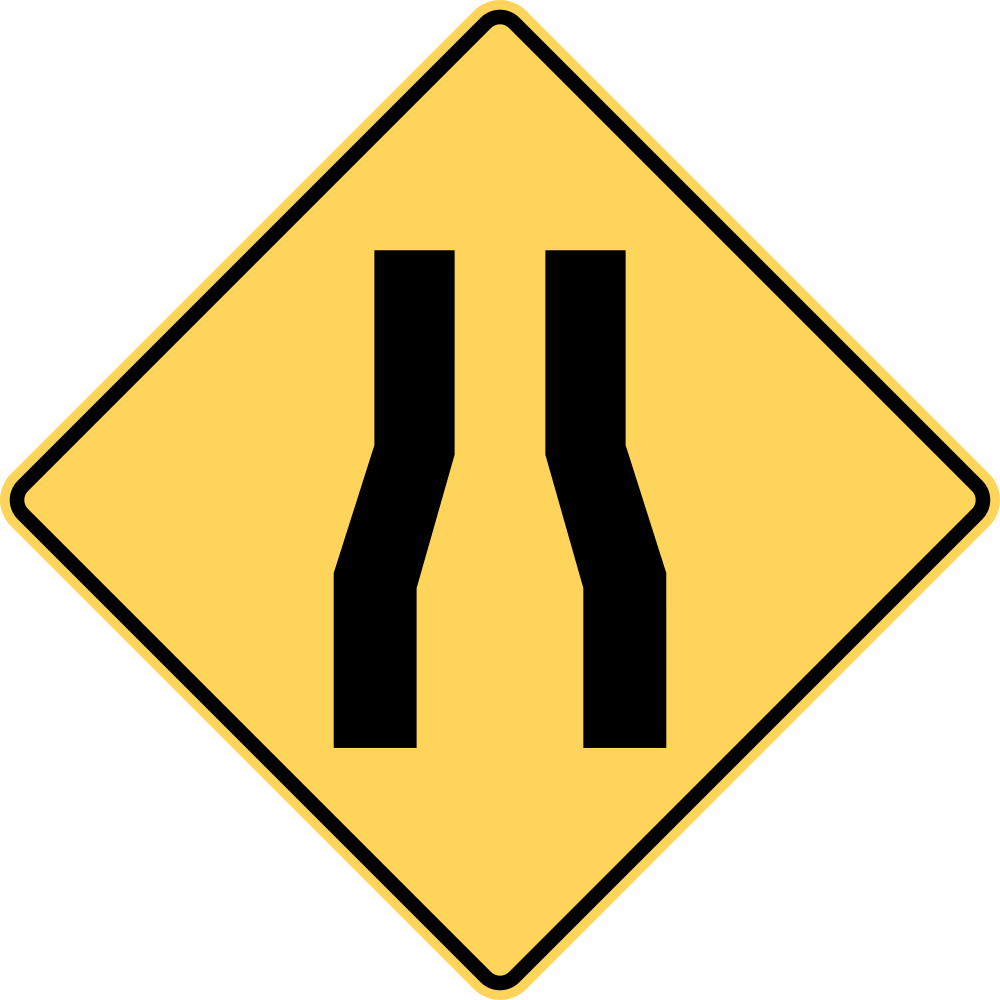 Road narrows
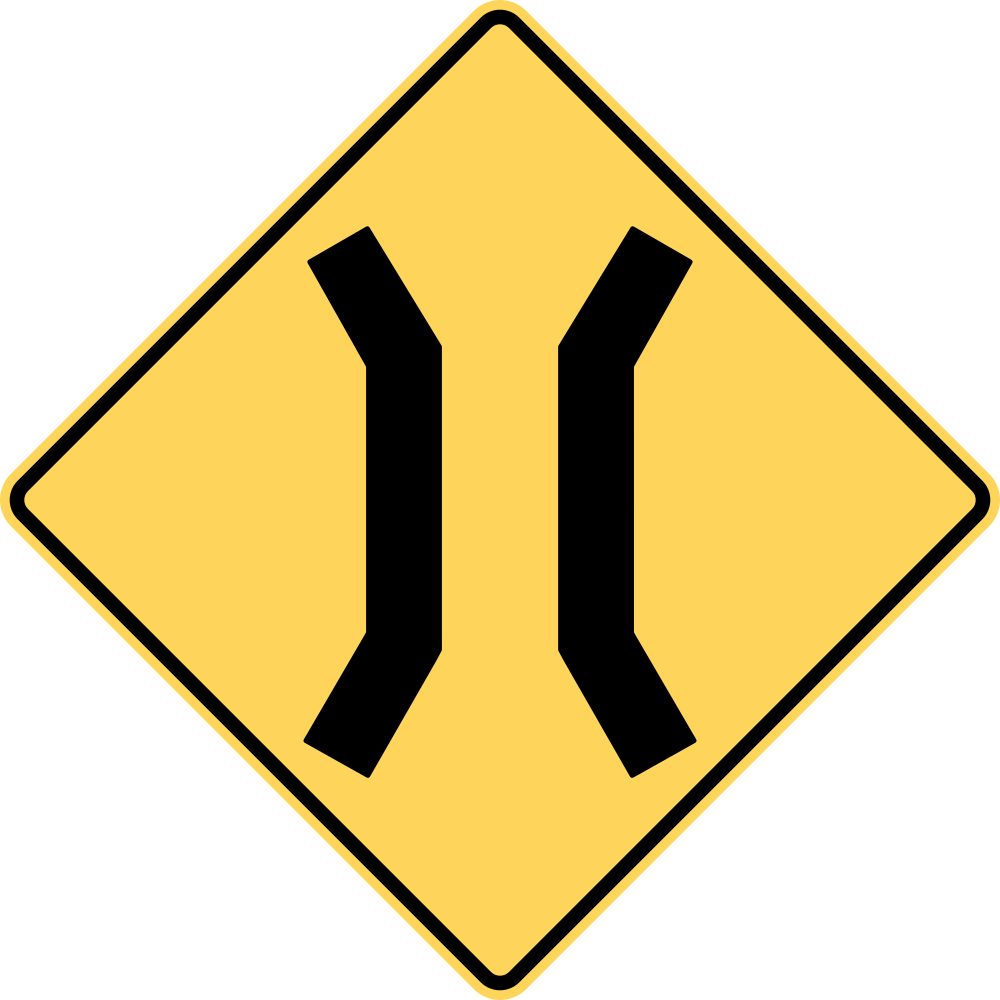 Narrow structure ahead
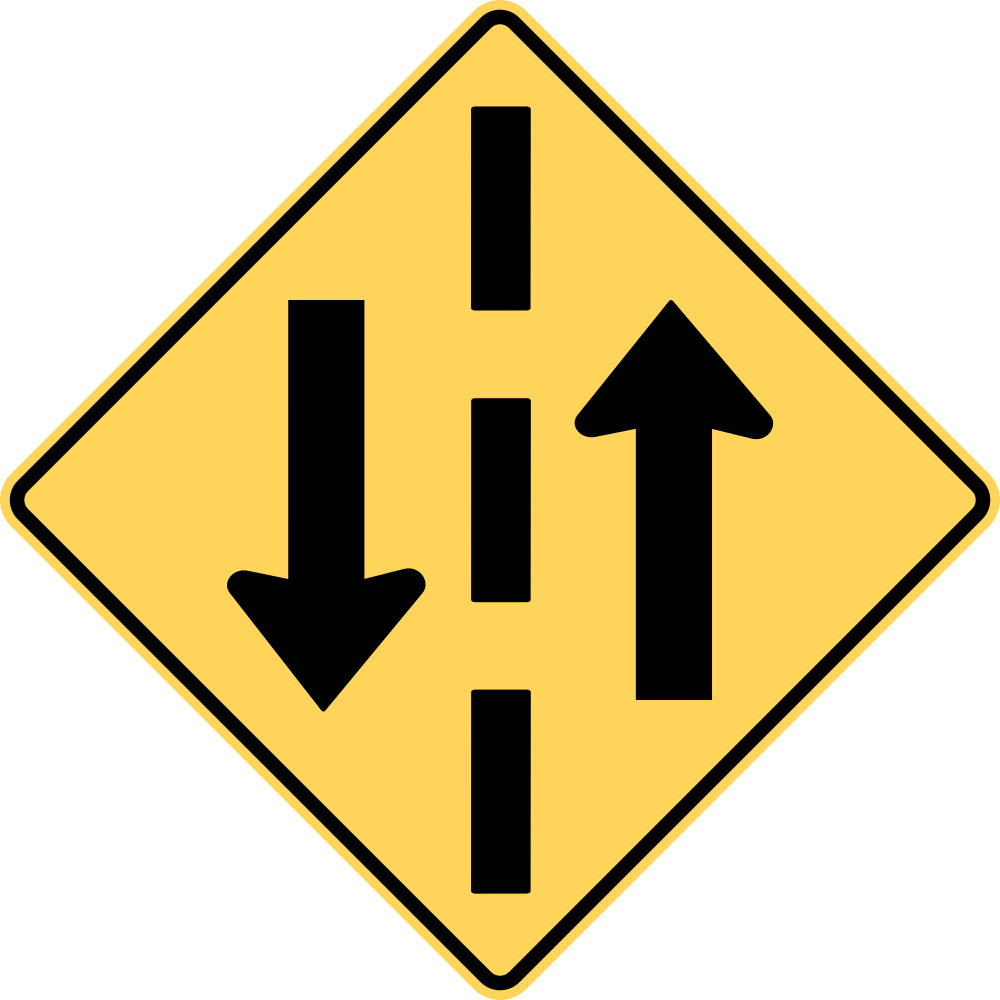 Two-way traffic ahead
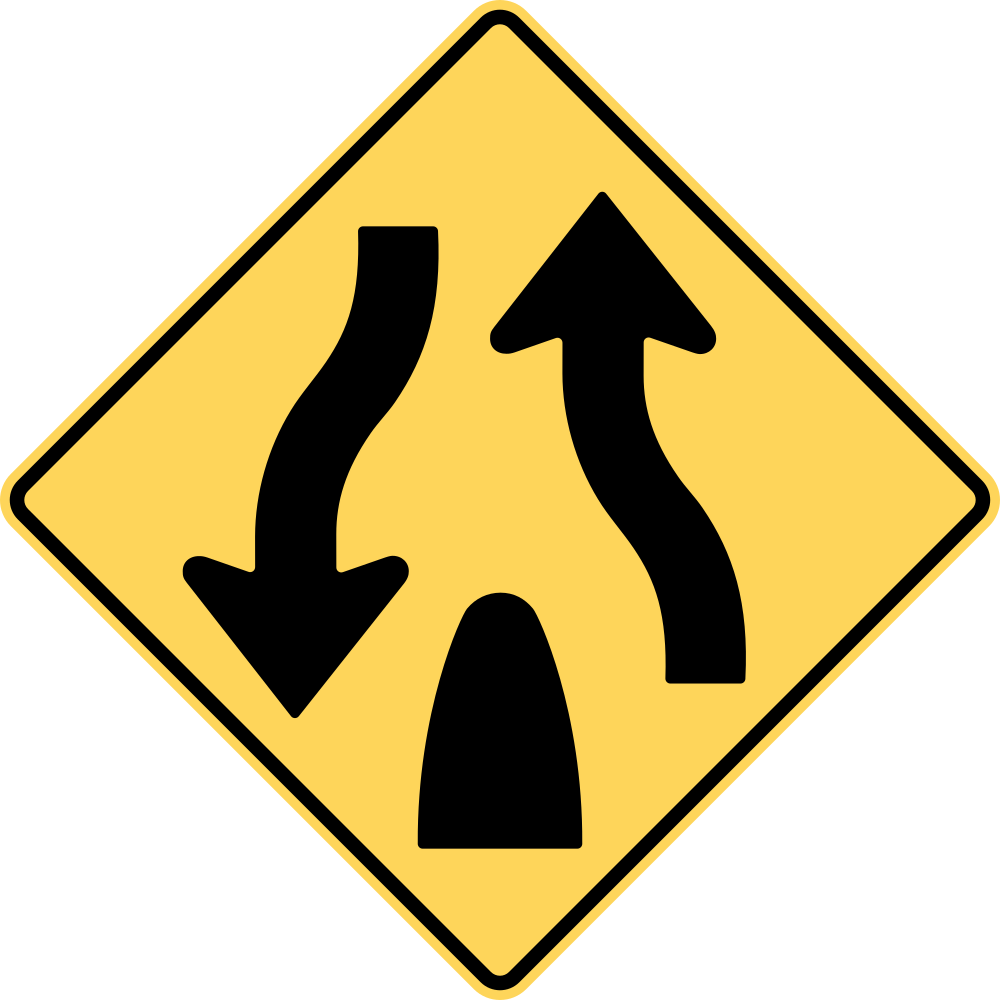 Divided highway ends
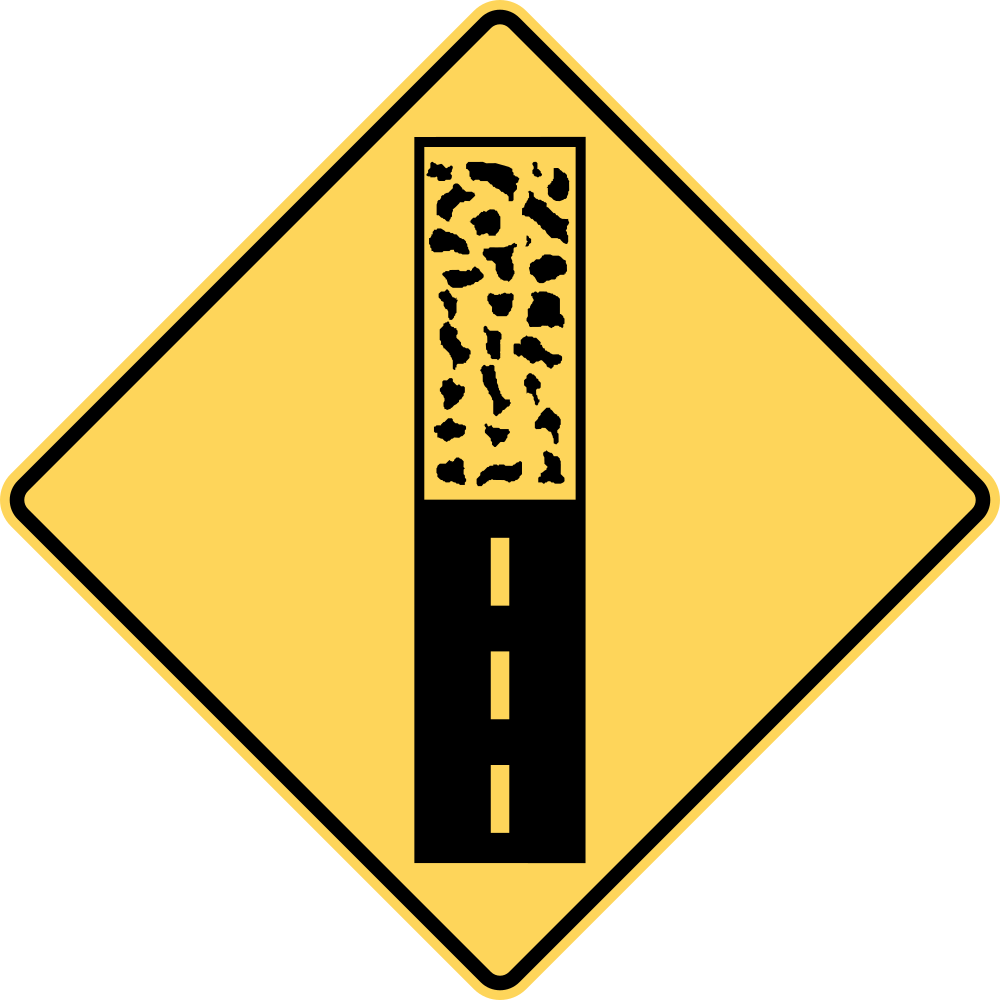 Pavement ends
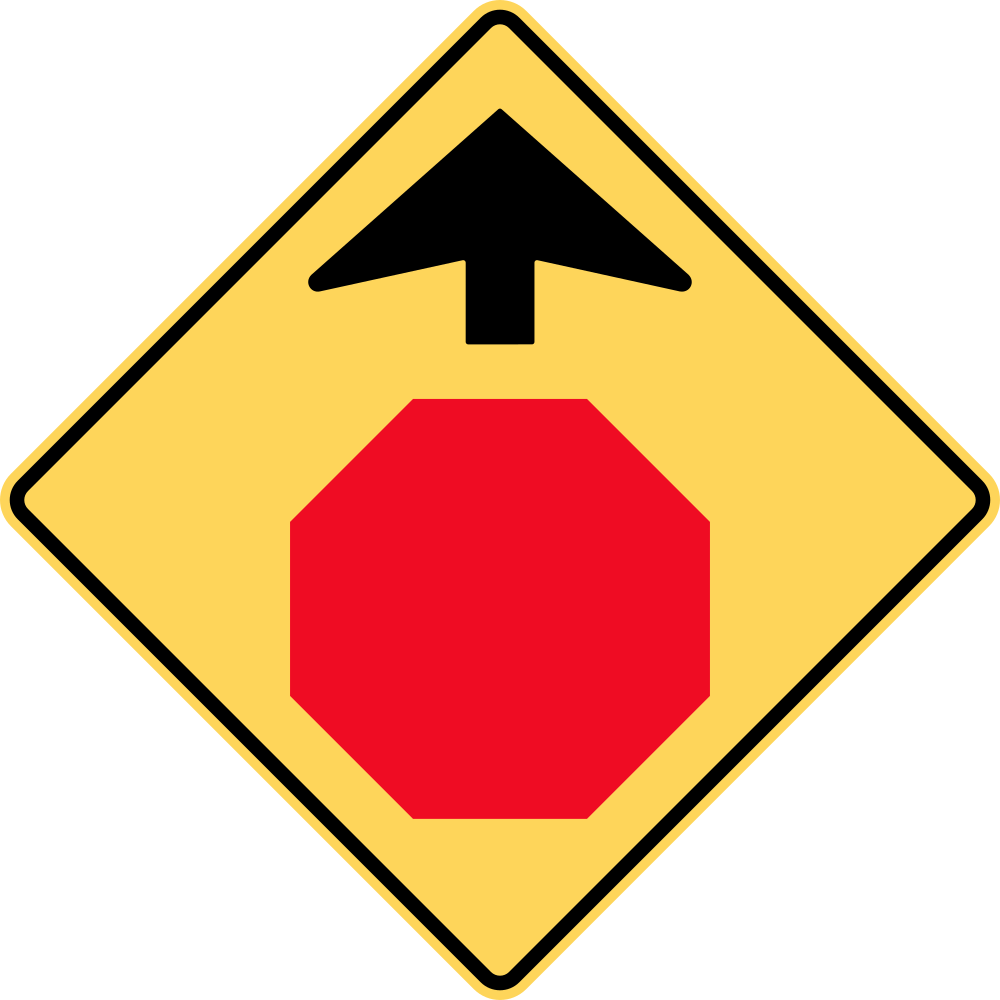 Stop sign ahead
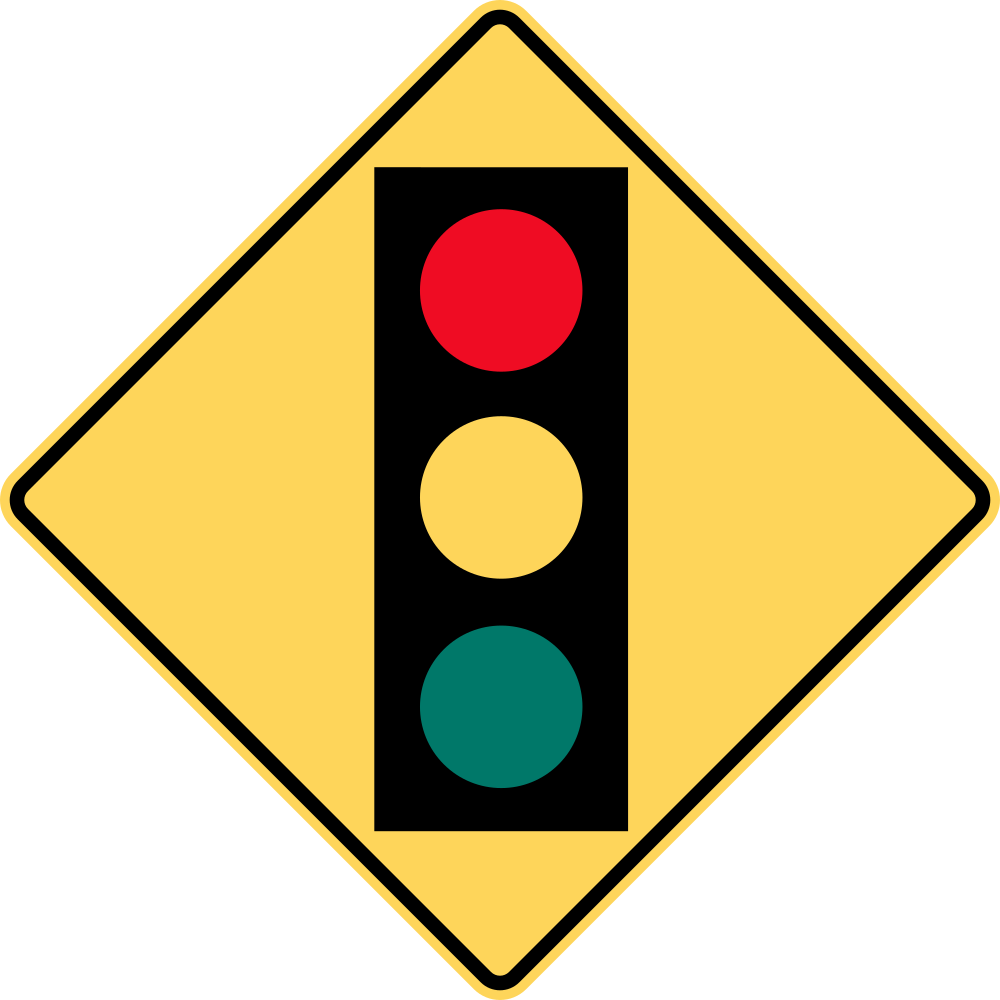 Signal lights ahead
- Prepare to stop when lights are flashing
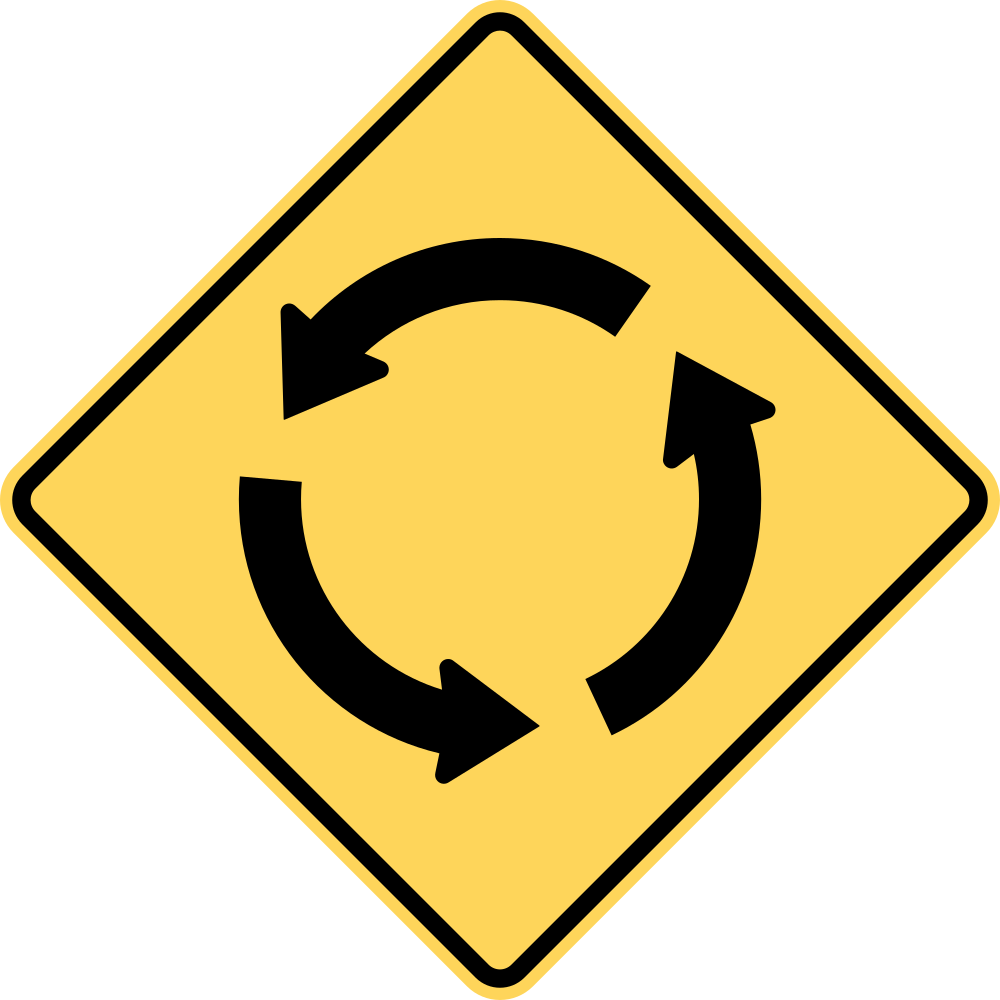 Roundabout ahead
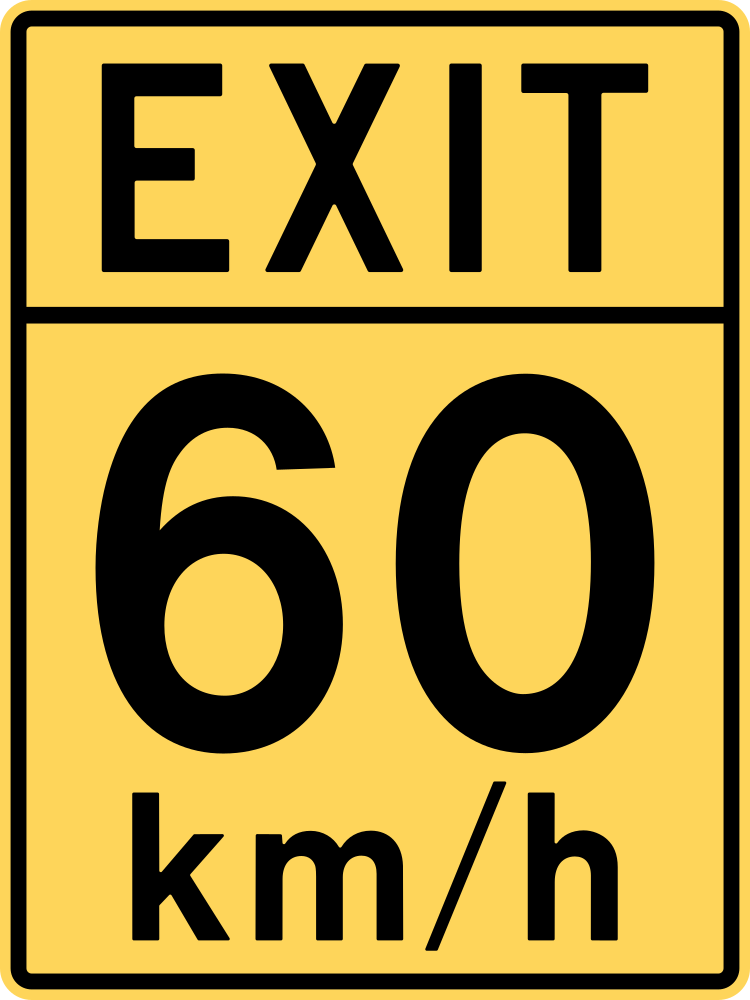 Exit advisory speed
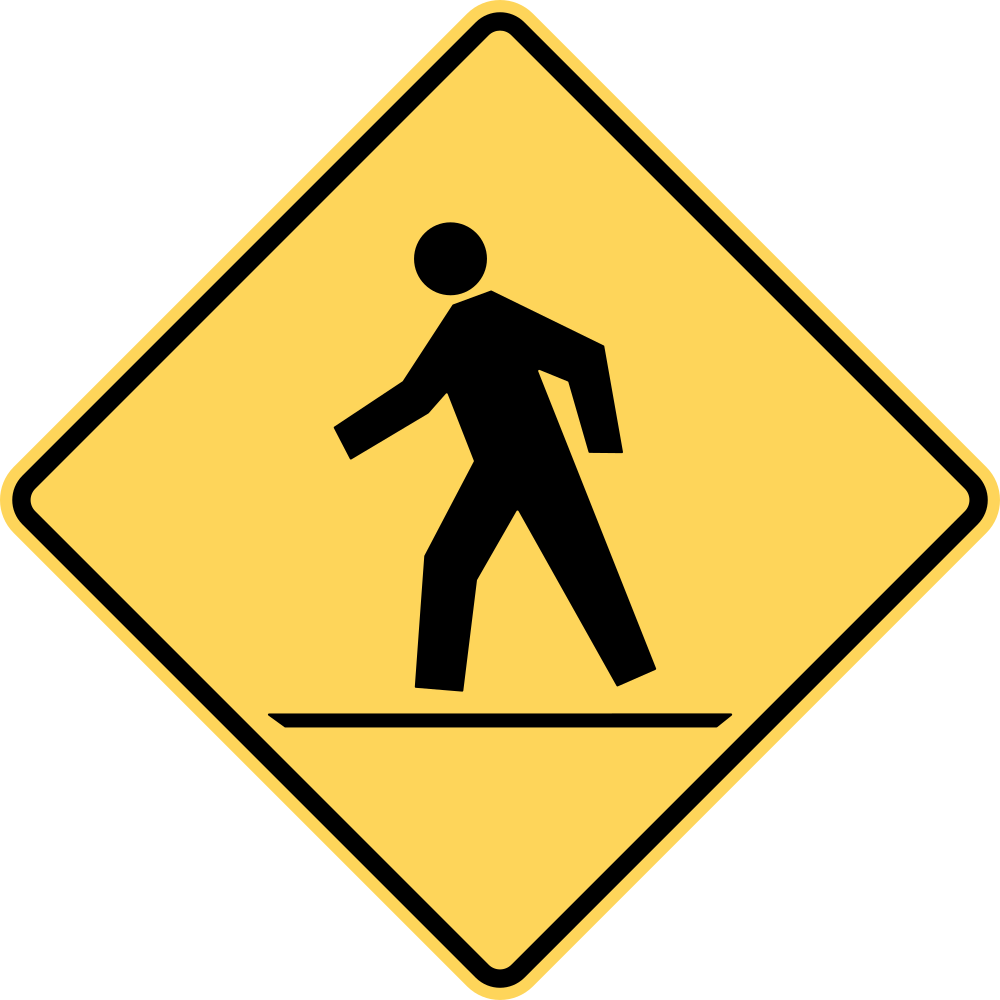 Pedestrian crosswalk ahead
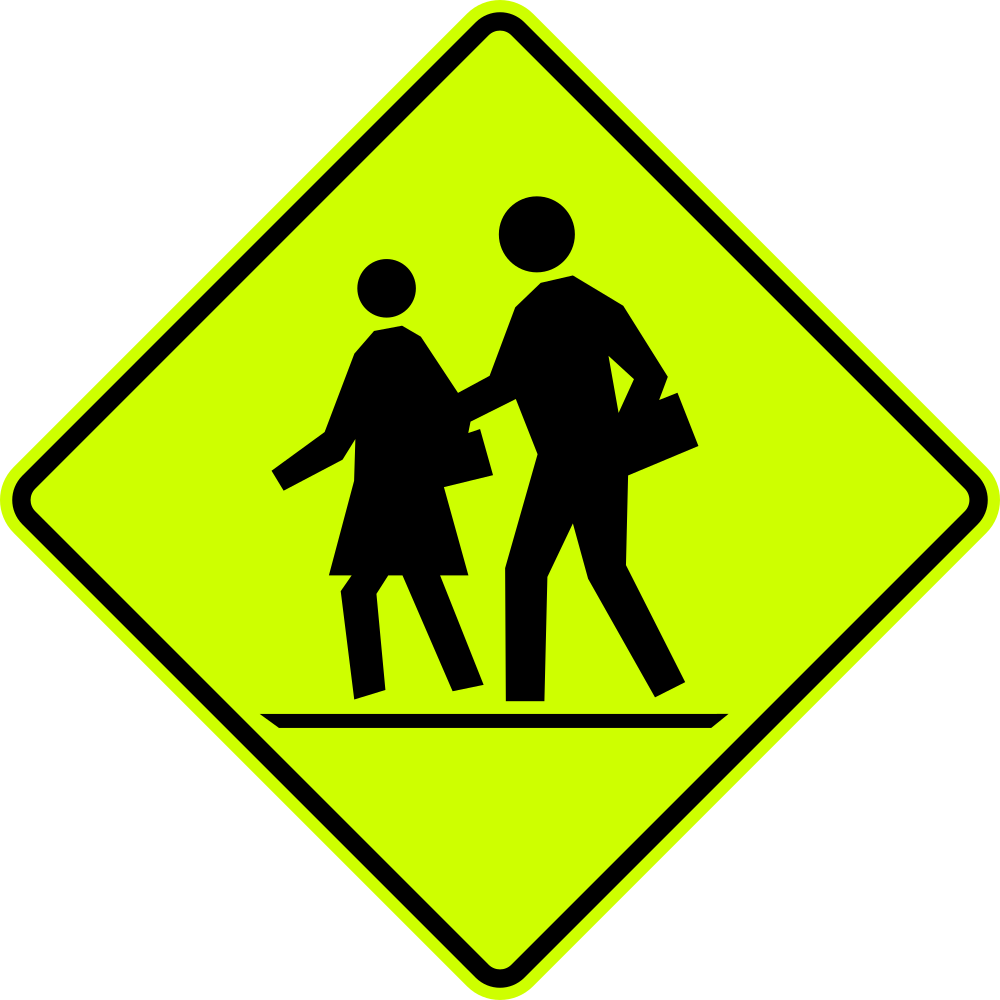 School crosswalk ahead
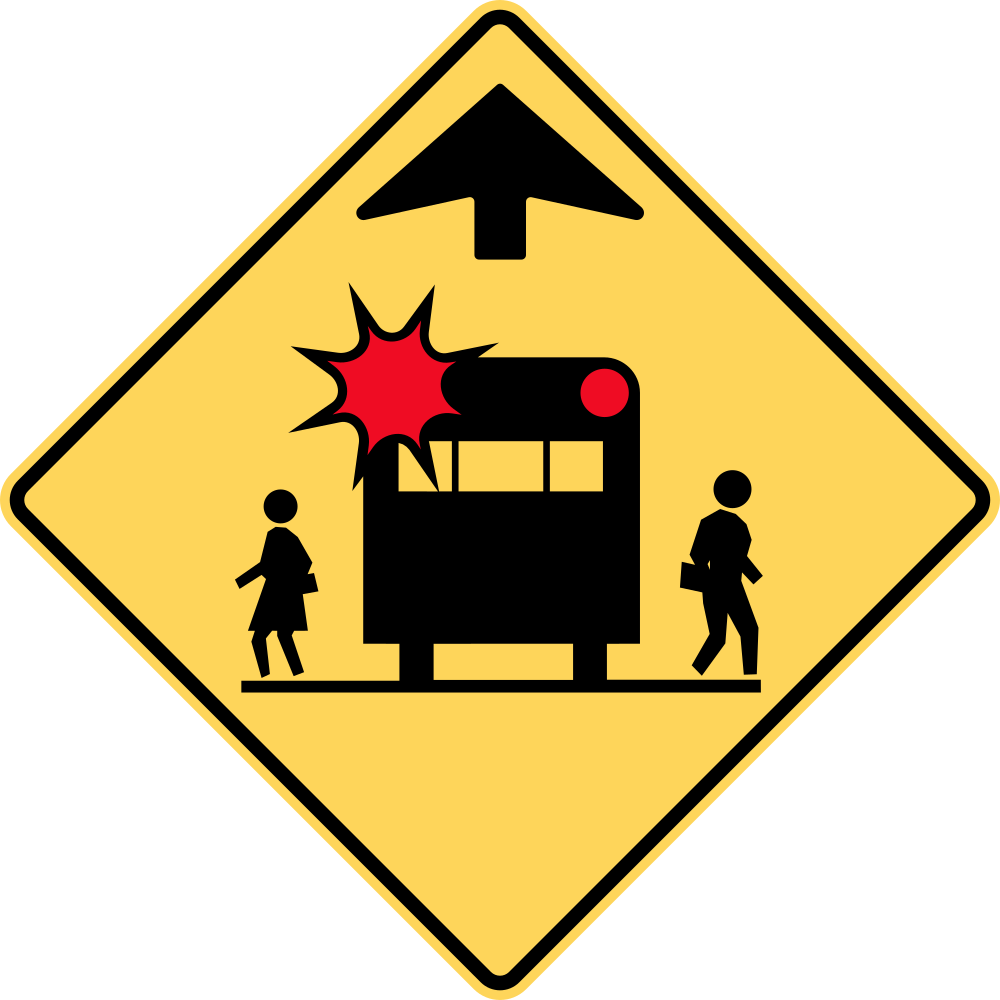 School bus stop ahead
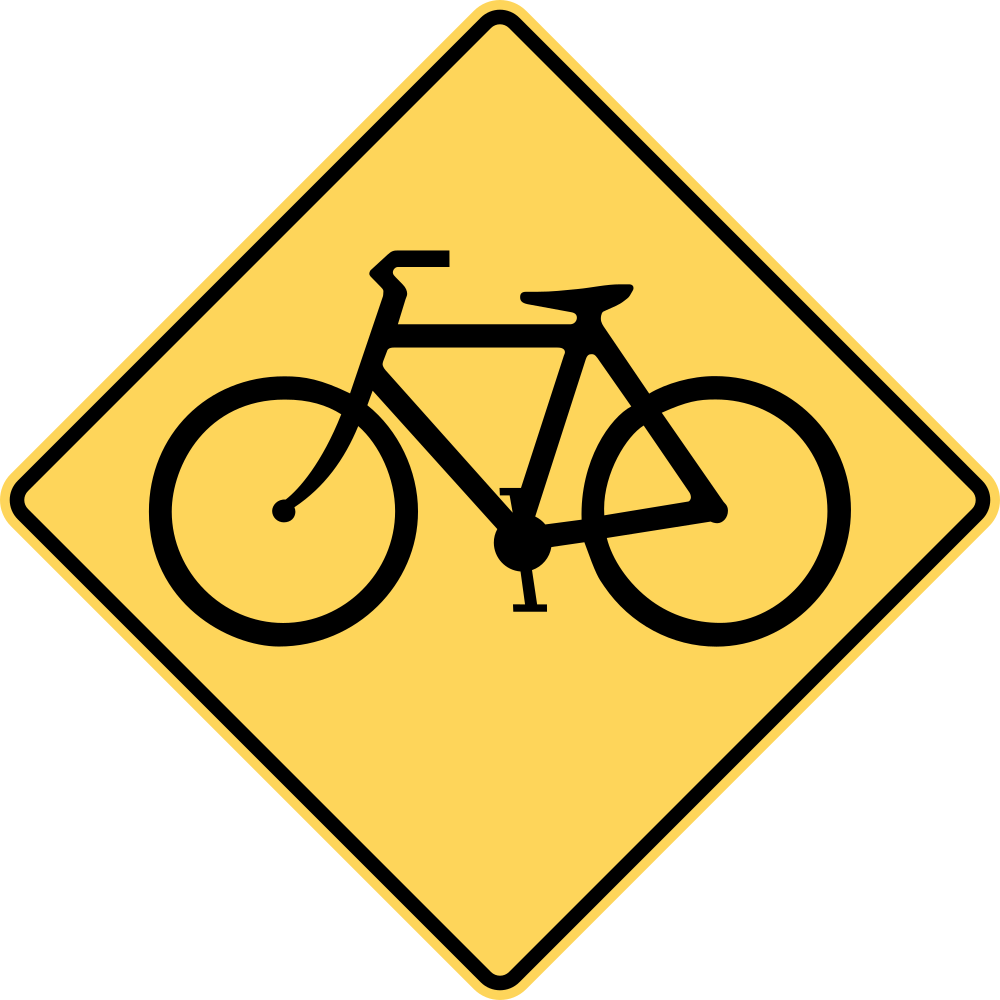 Cyclists on roadway
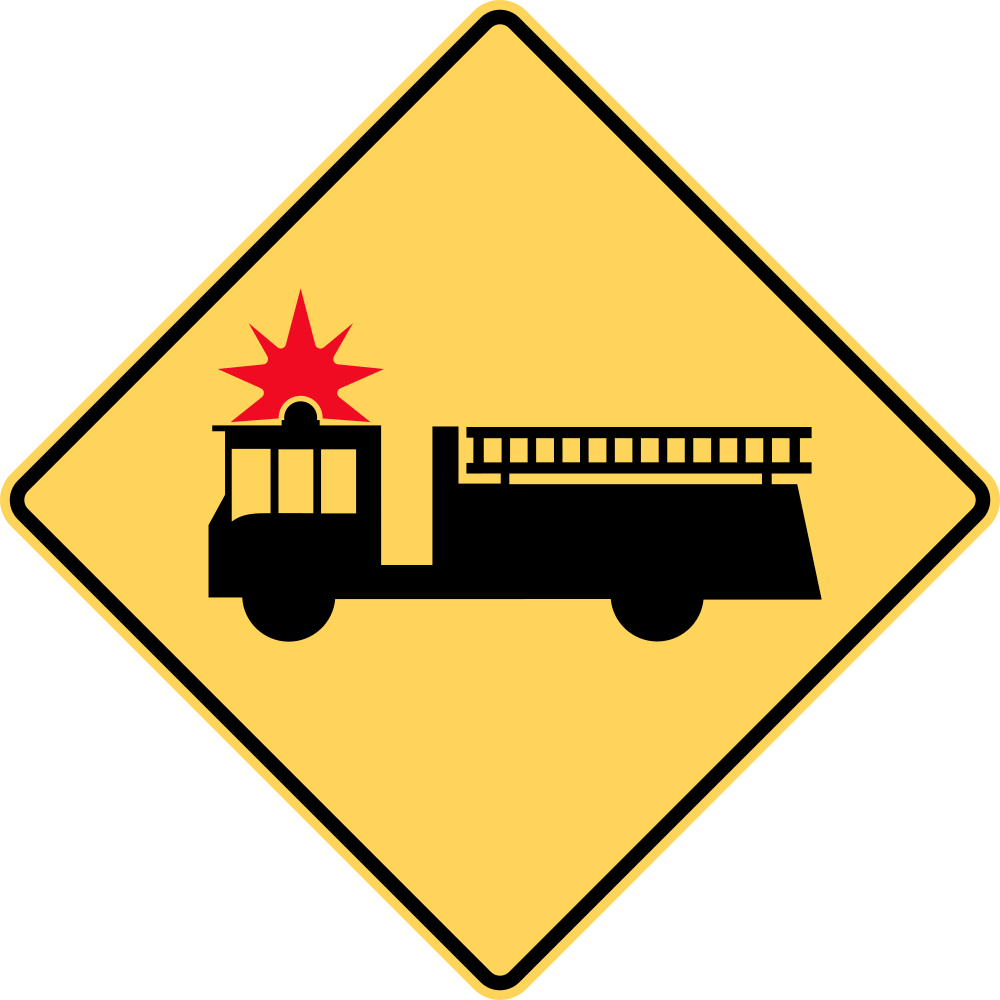 Fire truck entrance
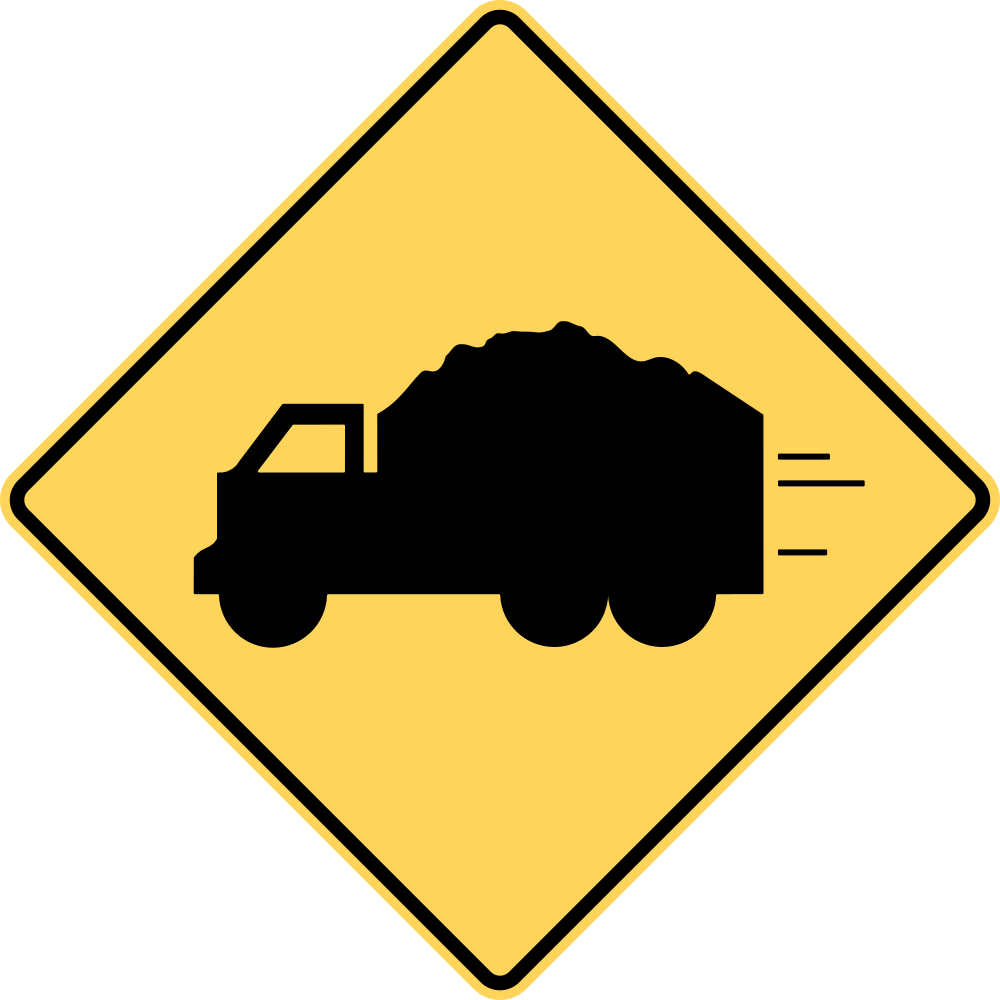 Truck crossing
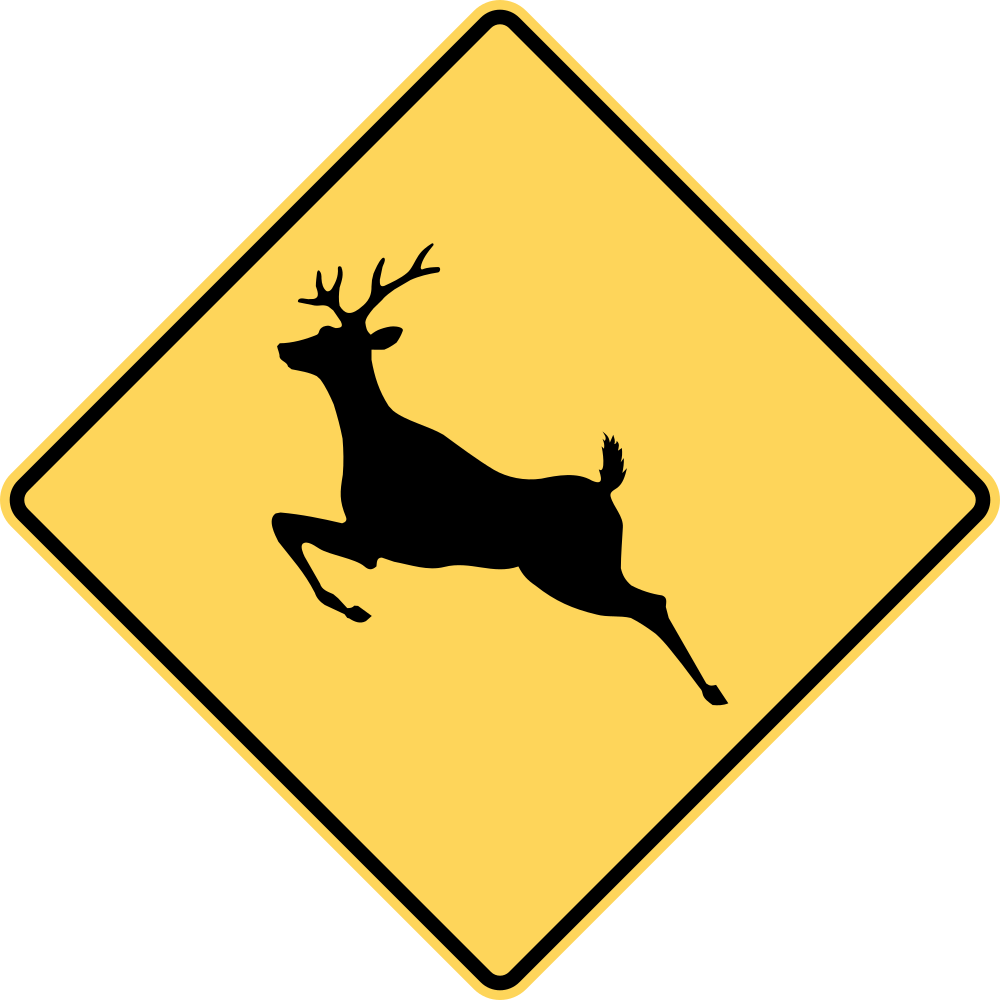 Watch for deer
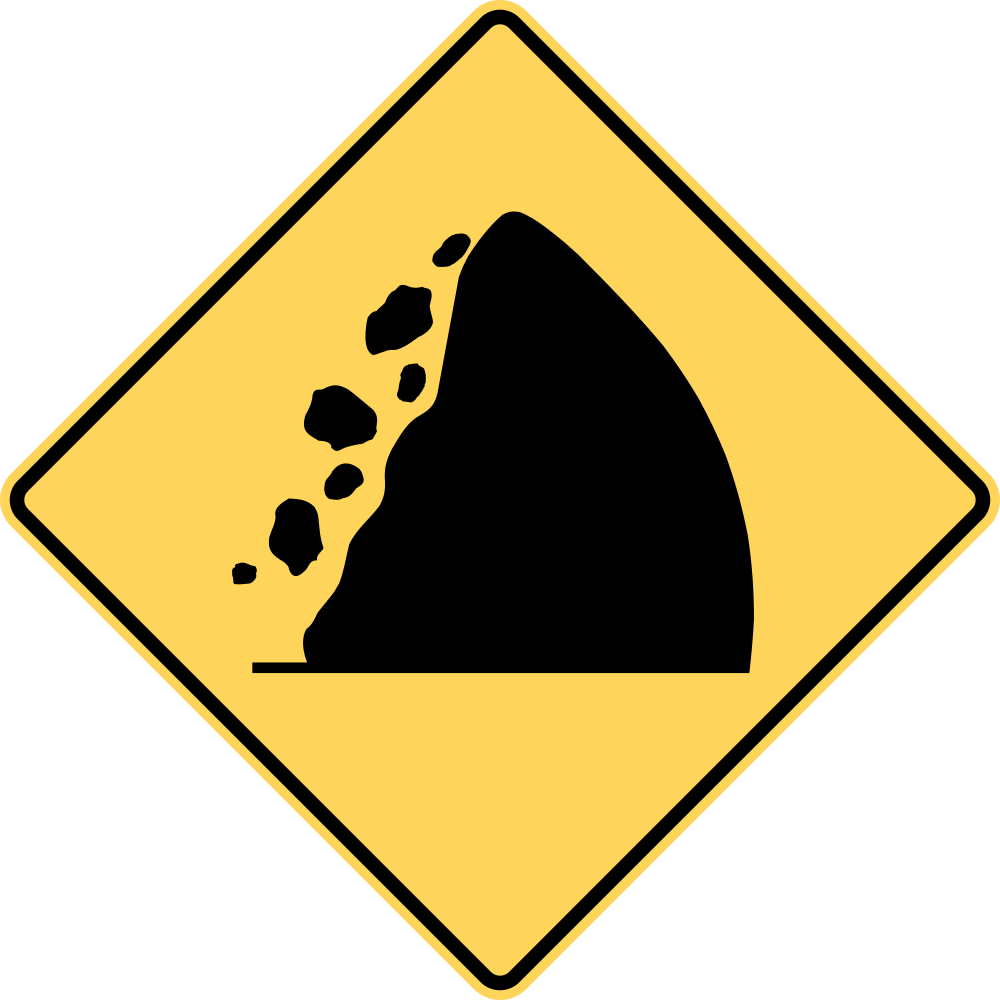 Watch for rocks on the road
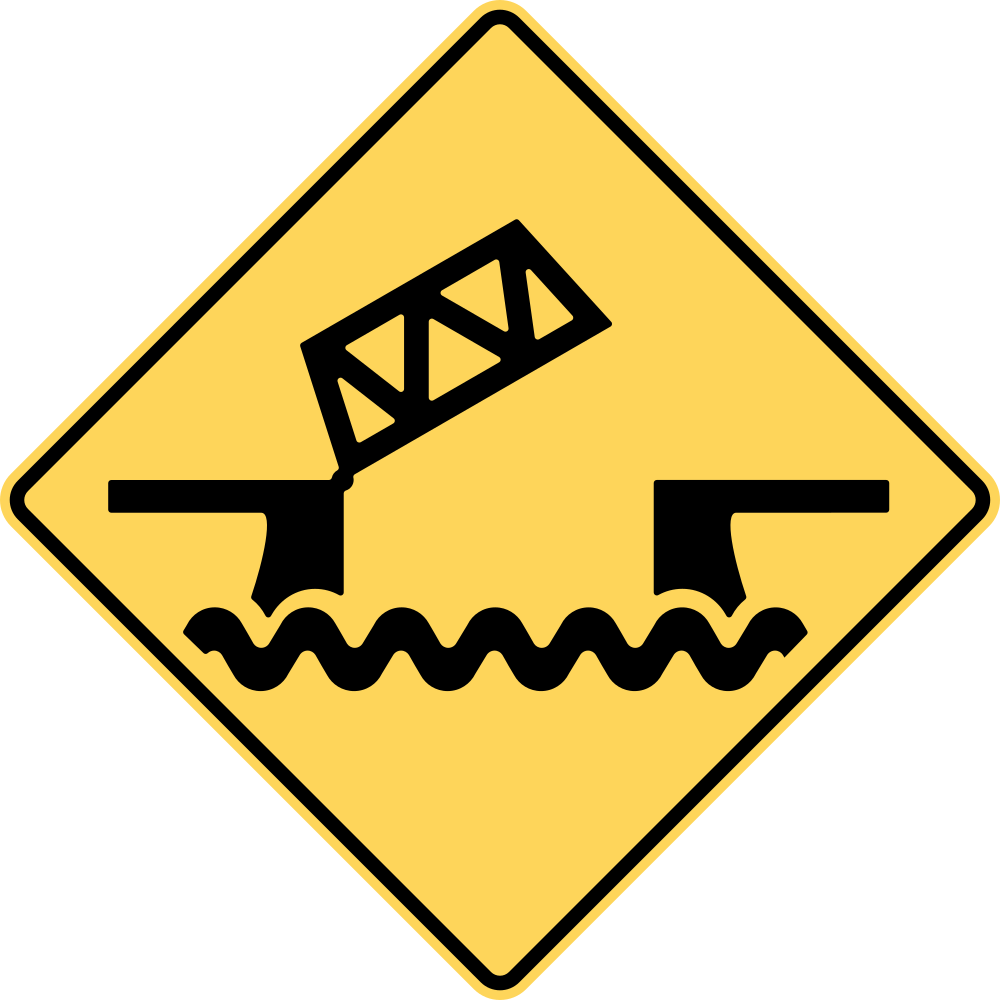 Opening bridge ahead
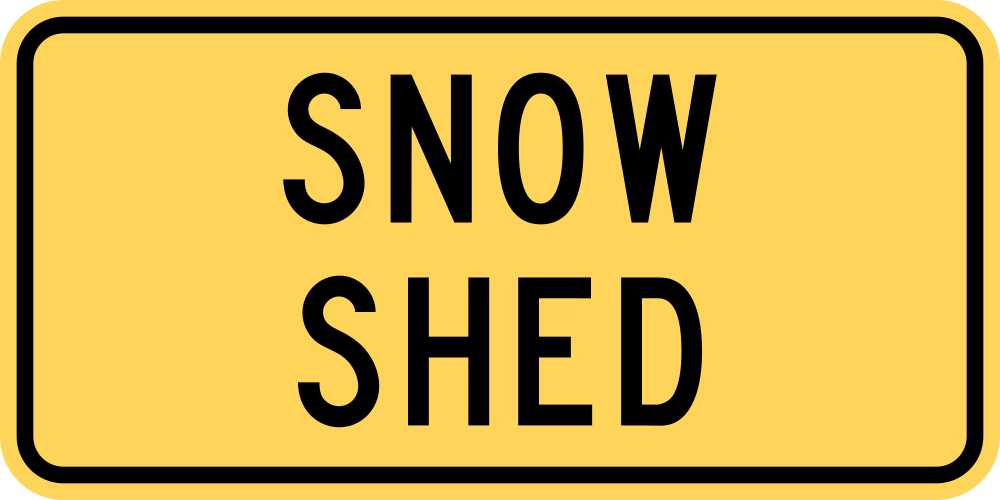 Snow shed ahead
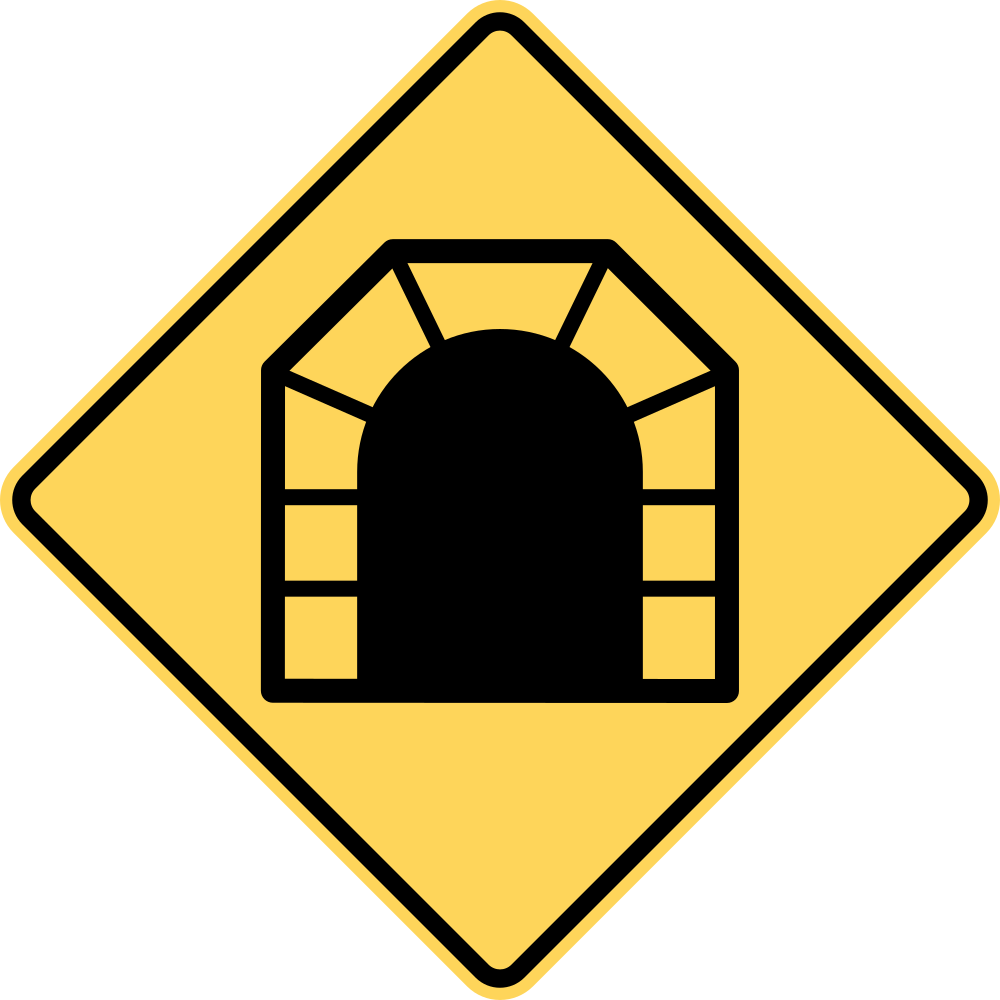 Tunnel ahead
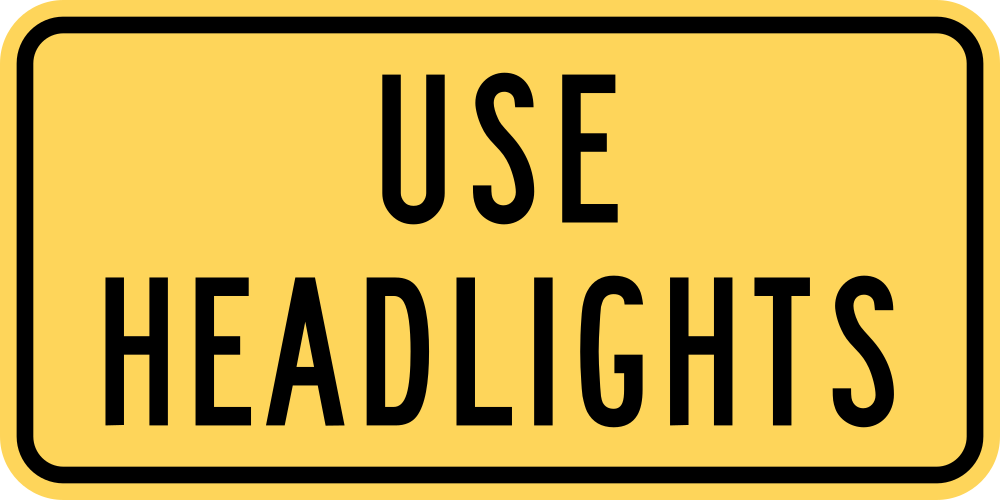 Use headlights
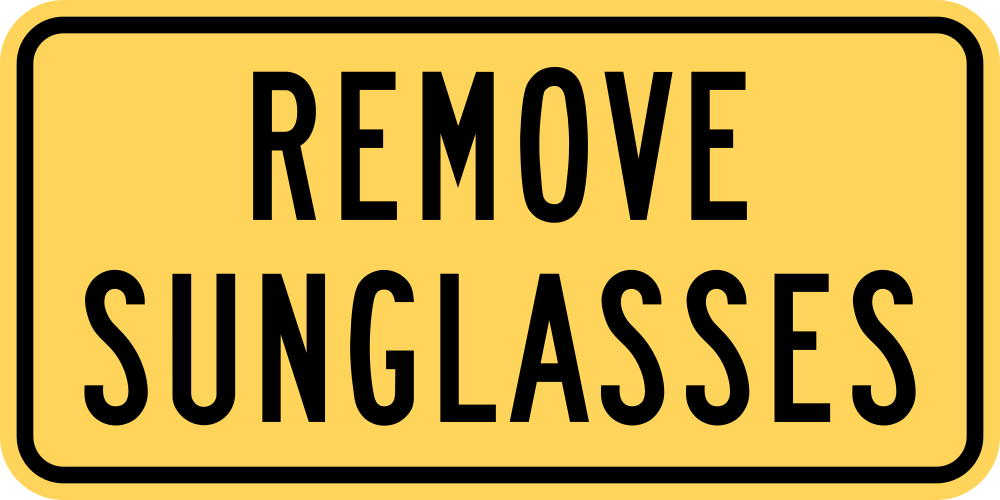 Remove sunglasses
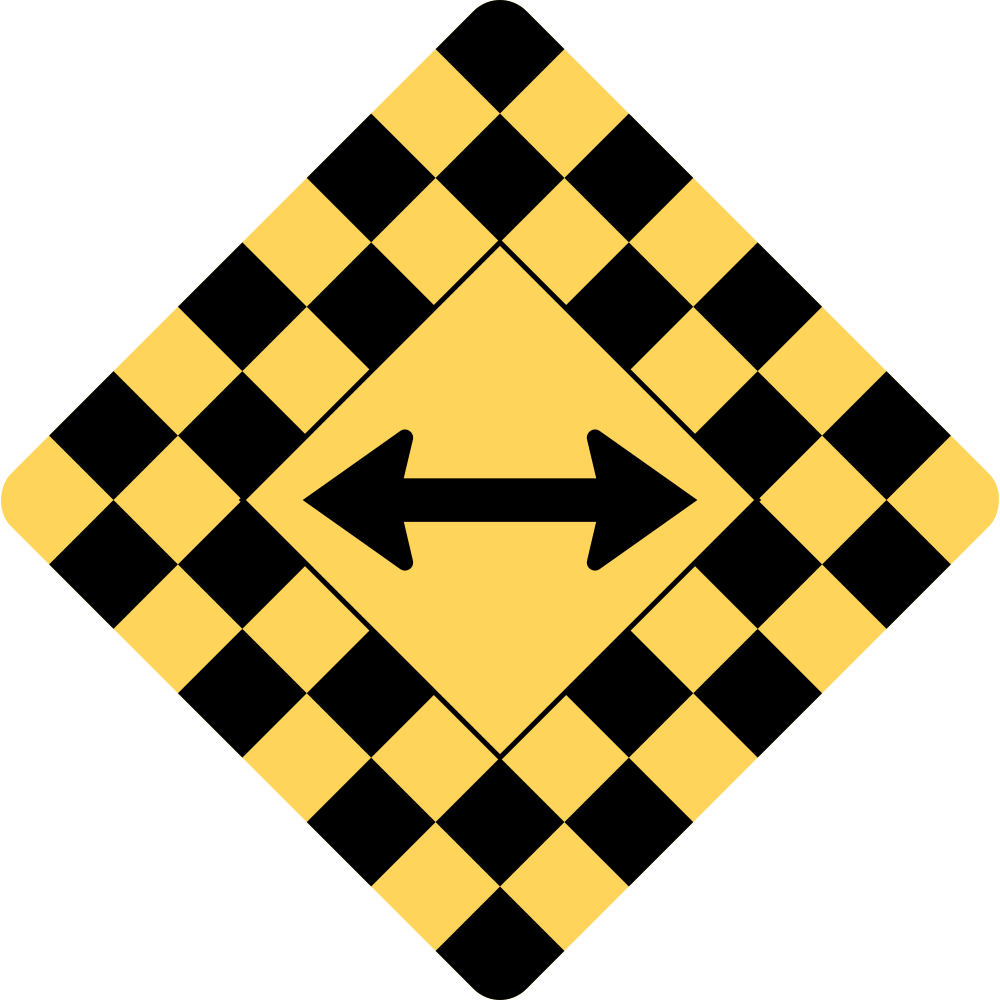 Hazard ahead — turn right or left
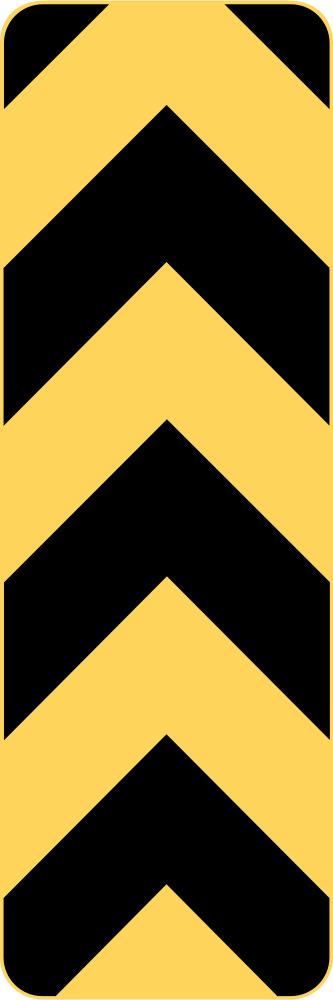 Object marker — keep right or left
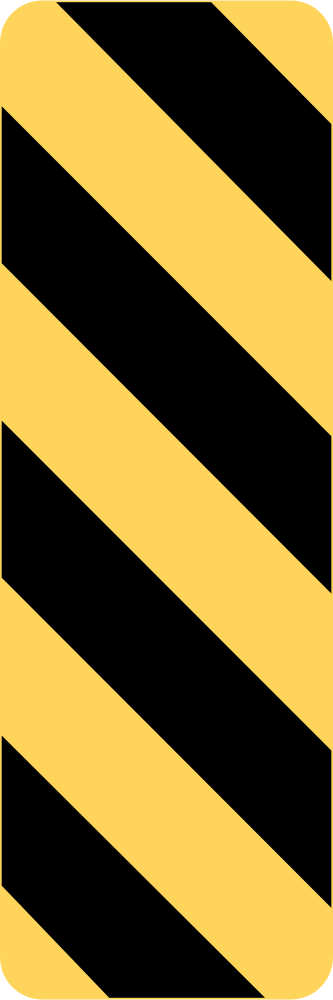 Object marker — keep right
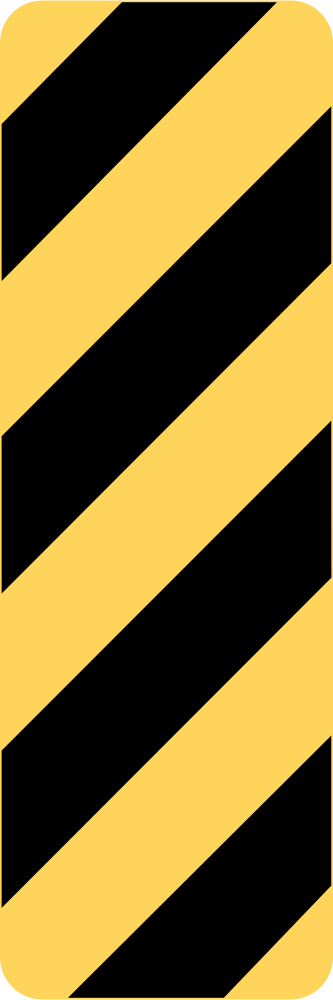 Object marker — keep left
Official source: Signs signals and road markings ↗
7.Construction signs
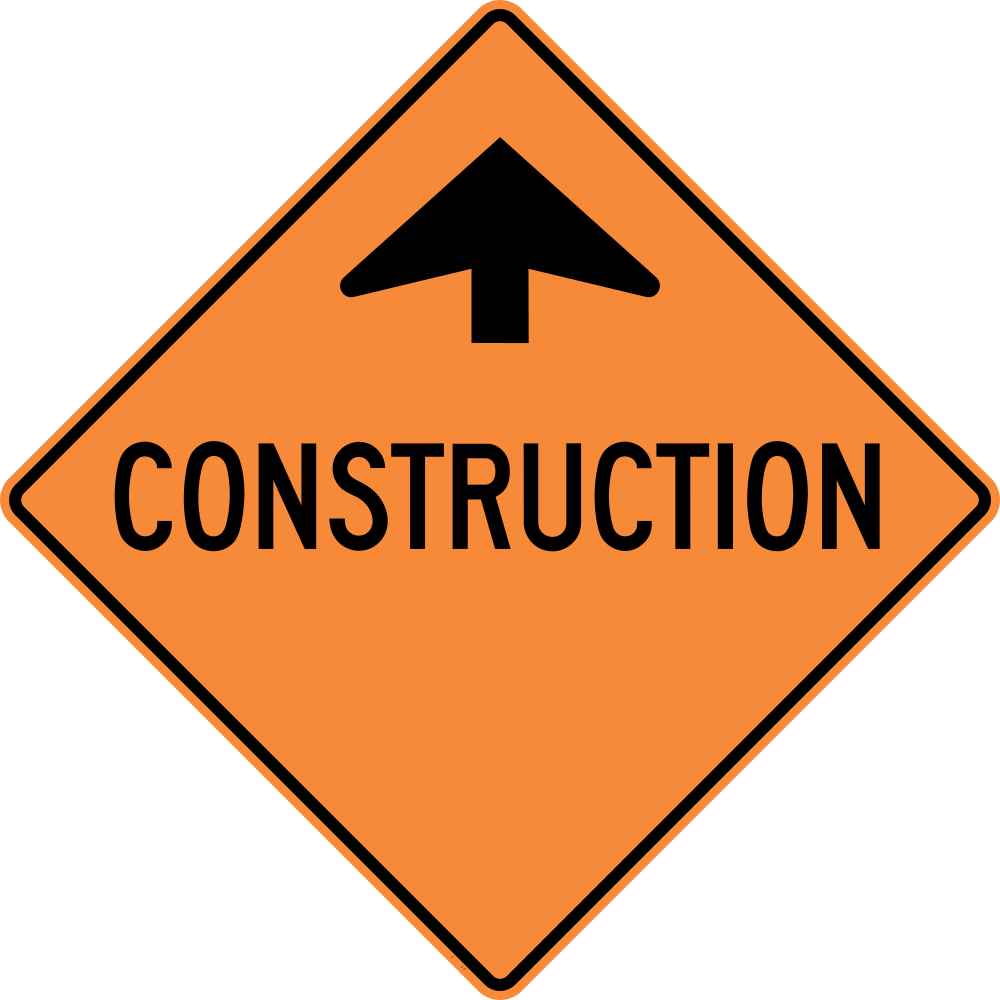
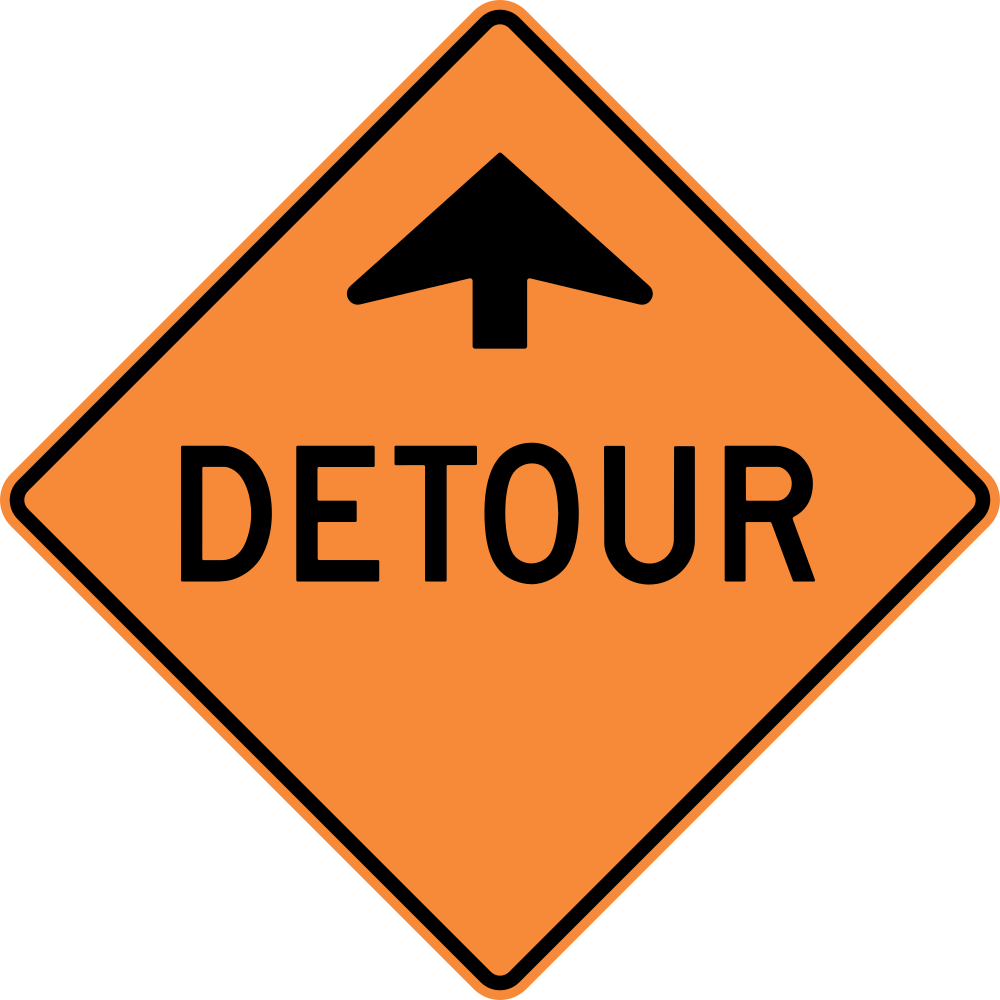
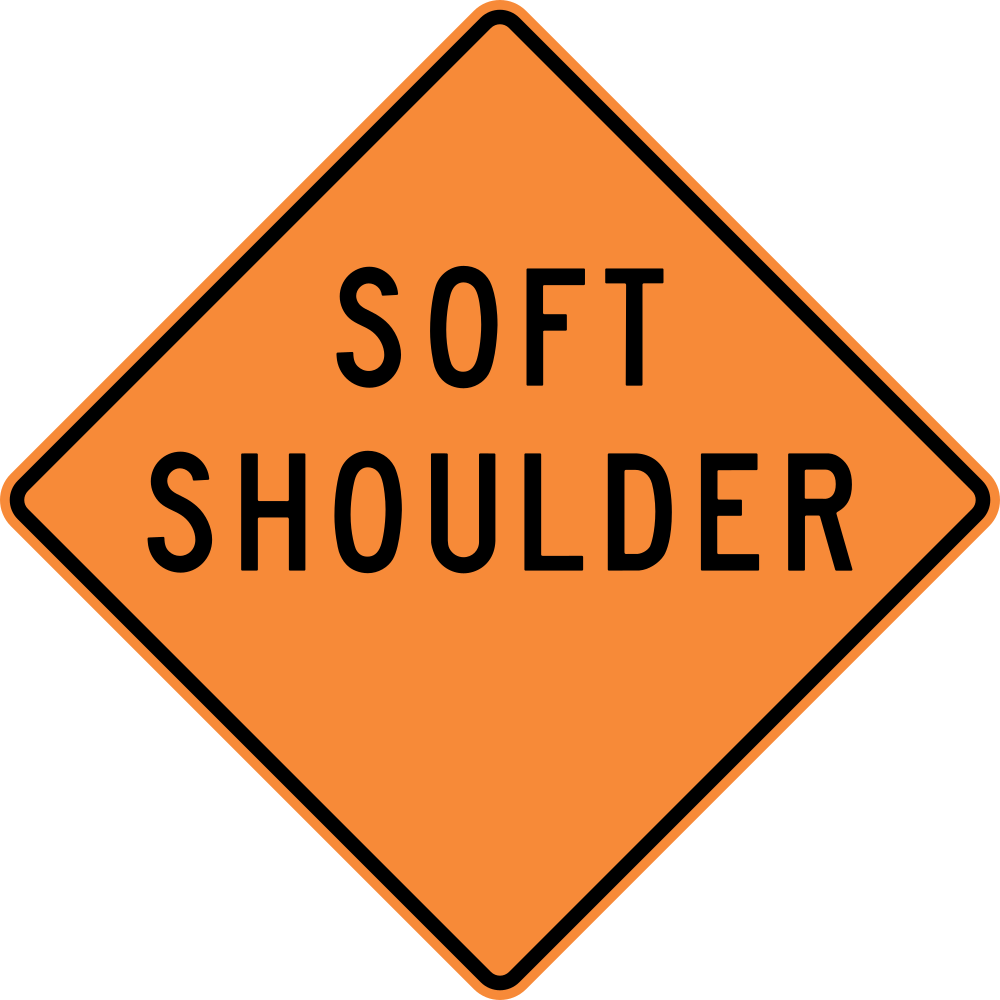
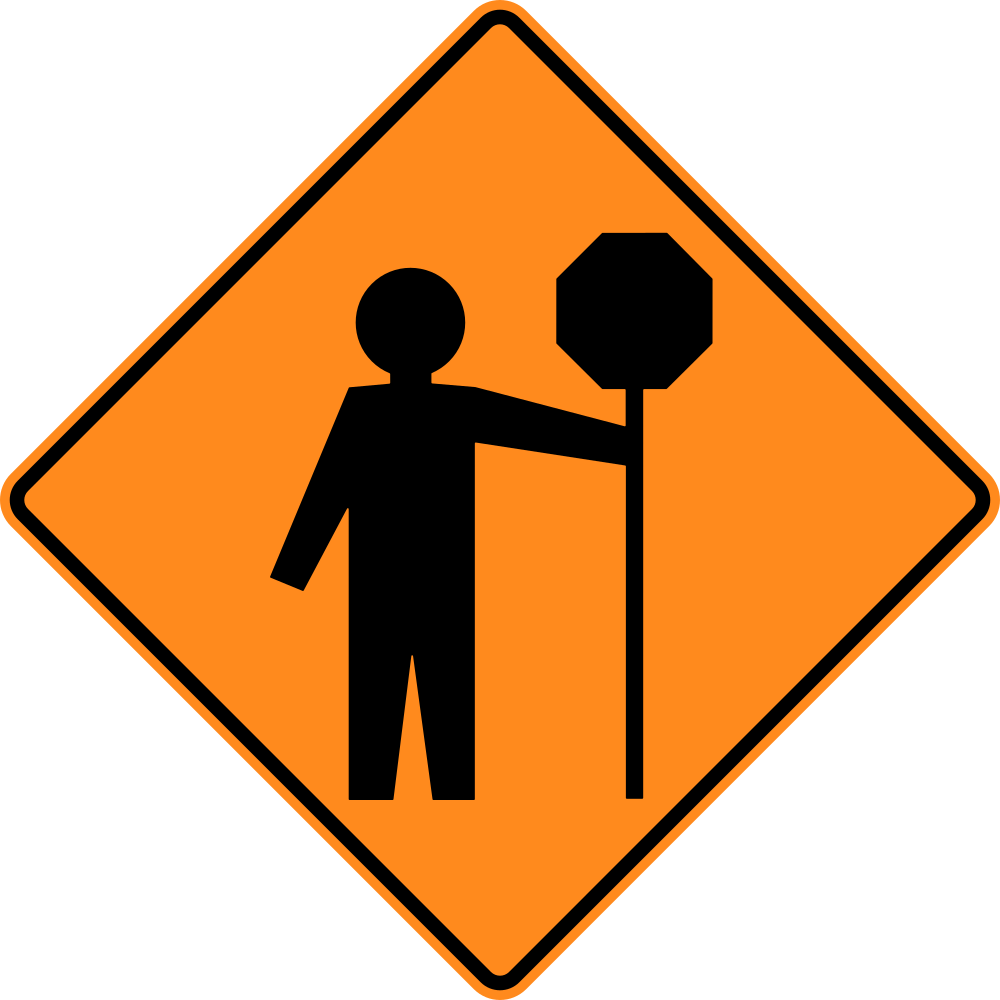
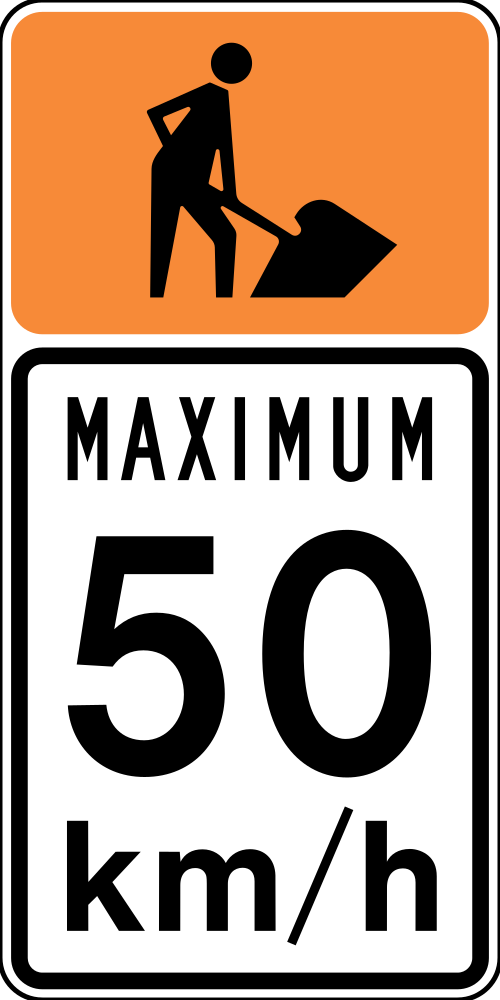
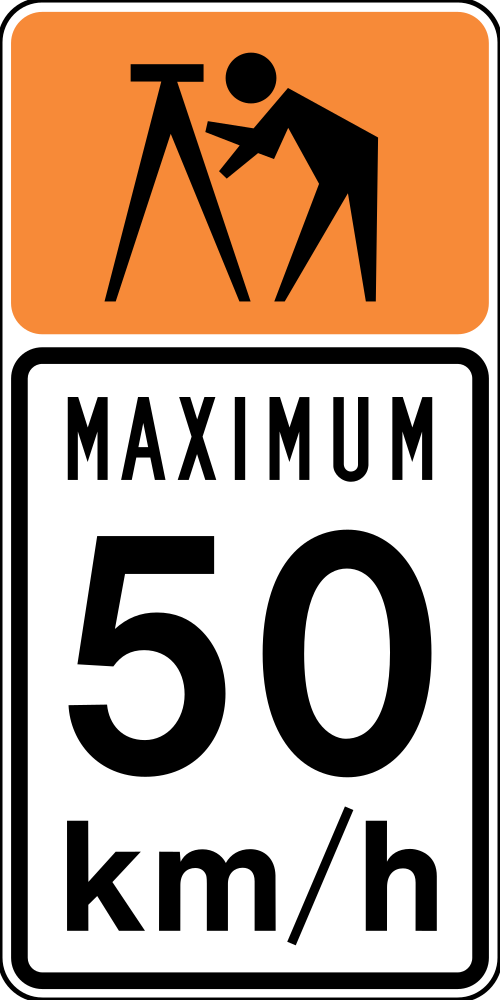
- Construction signs warn of construction and maintenance work. You must pay attention to the warnings and obey the instructions on these signs: obey traffic-control persons, travel within the posted speed, stay well back from all equipment and pass only when it is safe.
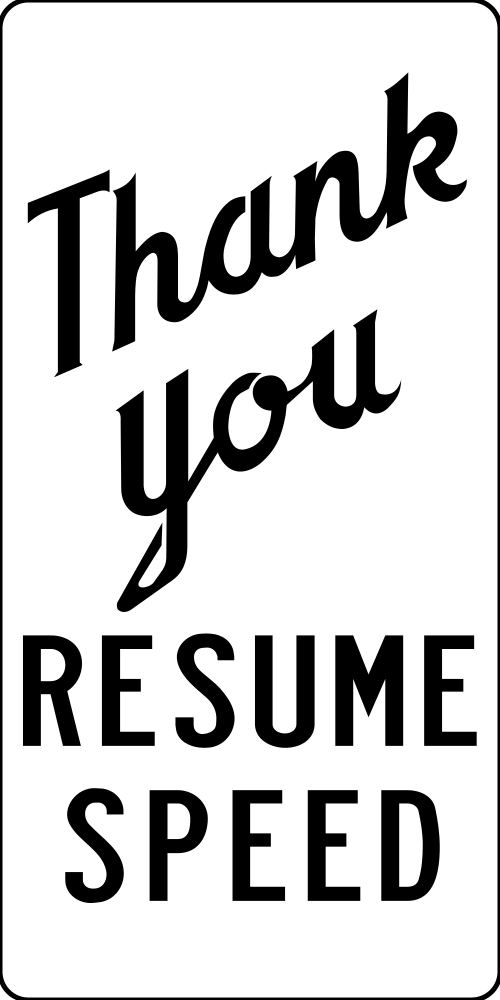
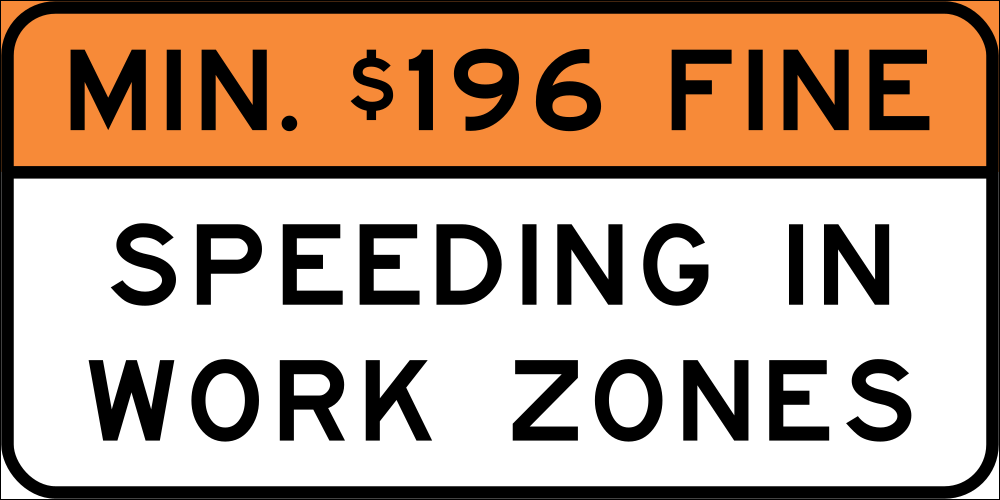
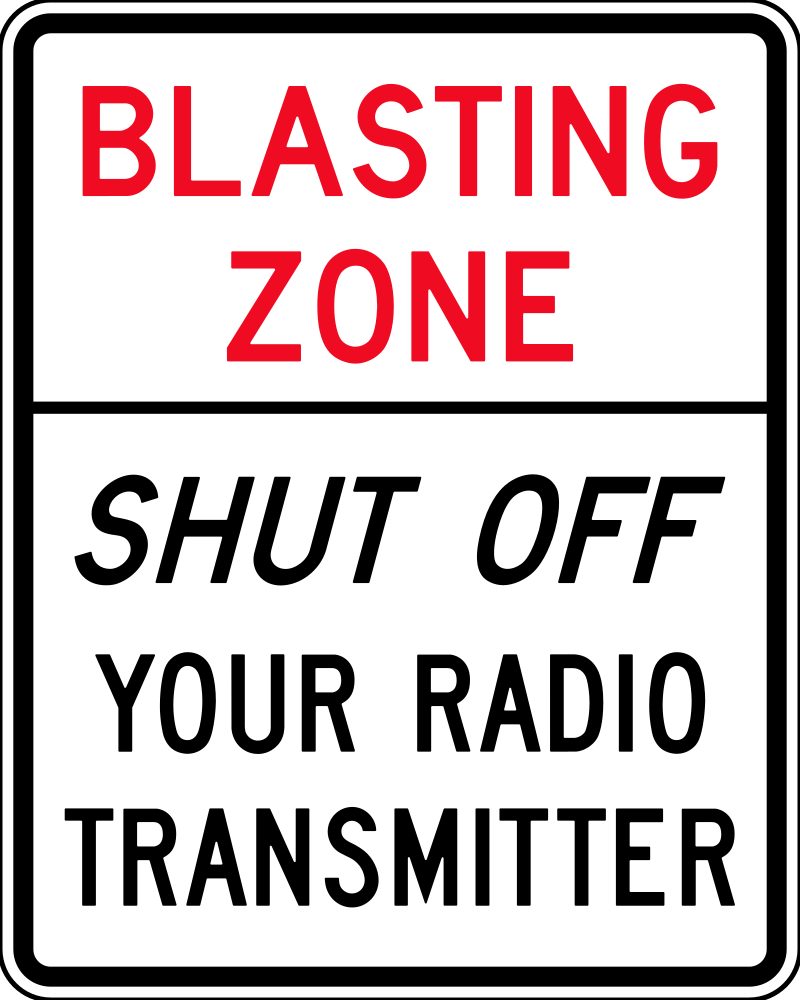
- The guide's construction signs: detour ahead; soft shoulder ahead, stay off; construction ahead; traffic-control person ahead; follow the lighted arrow; crew working, obey the posted speed limit; survey crew, obey the posted speed limit; end of construction zone speed limit; fine notice for speeding in a work zone; and blasting ahead, follow the instructions on the sign.
- You must obey the directions of traffic control persons and road construction signs from the start to the end of the construction zone, and construction zone speed limits apply 24 hours a day when posted.
- Traffic fines are double in construction zones. The road surface may be uneven or unpaved, so slow down and obey the construction zone speed limit.
- Construction zones often need lane closures: merge to avoid a closure as soon as you can, avoid changing lanes inside the zone, leave plenty of following distance and side room for crews and equipment, and be ready to stop for a traffic control person or to wait for a pilot car to escort you through.
- Road work also happens at night, so pay extra attention and drive extra slowly through construction zones after dark. If you are directed to stop, turn off the engine: idling for more than 10 seconds costs more than restarting.
Signs in this section
Official source: Signs signals and road markings ↗ · Sharing the road ↗
8.Information, destination and railway signs
- Information and destination signs give information about destinations, route numbers and facilities. A destination sign shows distances in kilometres, and a directional sign points the way.
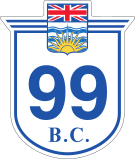
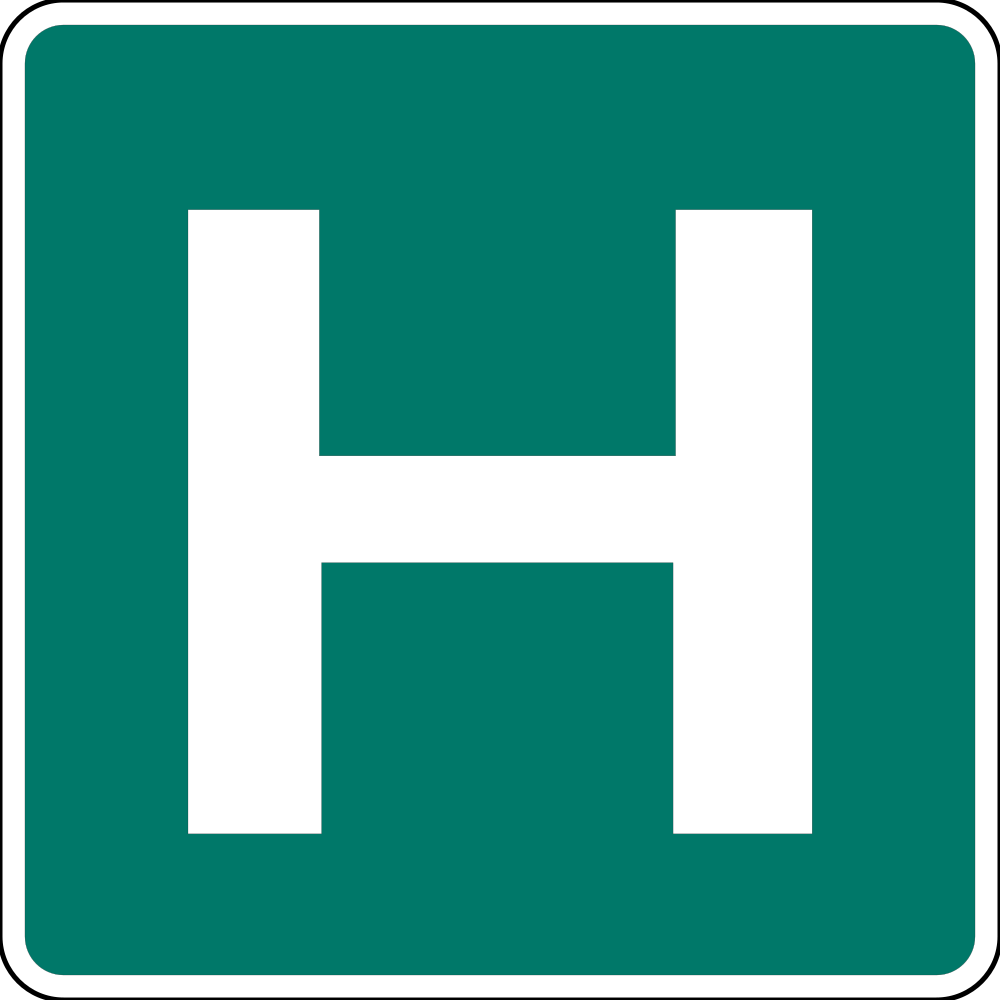
- Service signs tell you that a hospital is nearby, gas is available ahead, accommodation is ahead or travel information is ahead. Route markers identify the Trans-Canada Highway and the primary highways.
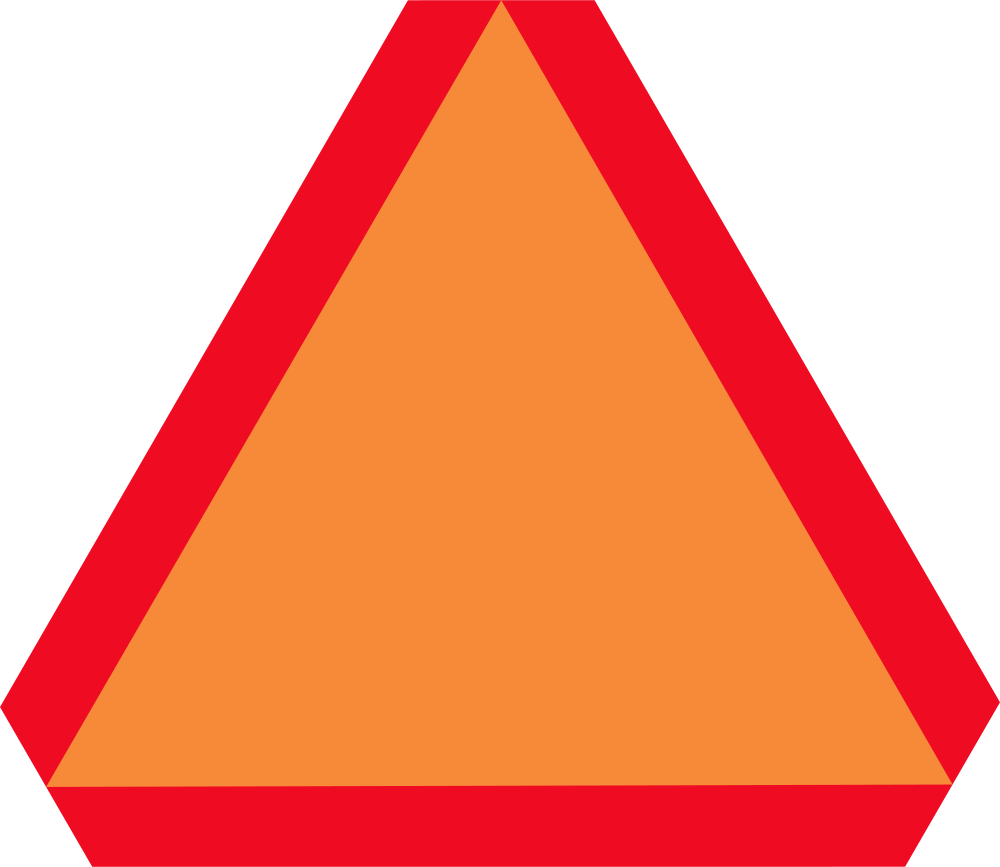
- A slow-moving vehicle sign on the back of a vehicle tells you it will be moving slowly: keep your distance and pass only when you are certain it is safe. A Wide Load, Long Load or Oversize Load sign on a truck or pilot car means an oversize load is being transported.
- Public railway crossings are marked with signs or pavement markings and may also have mechanical or electrical warning devices for your protection. Watch for them and remember that you must always yield to trains.
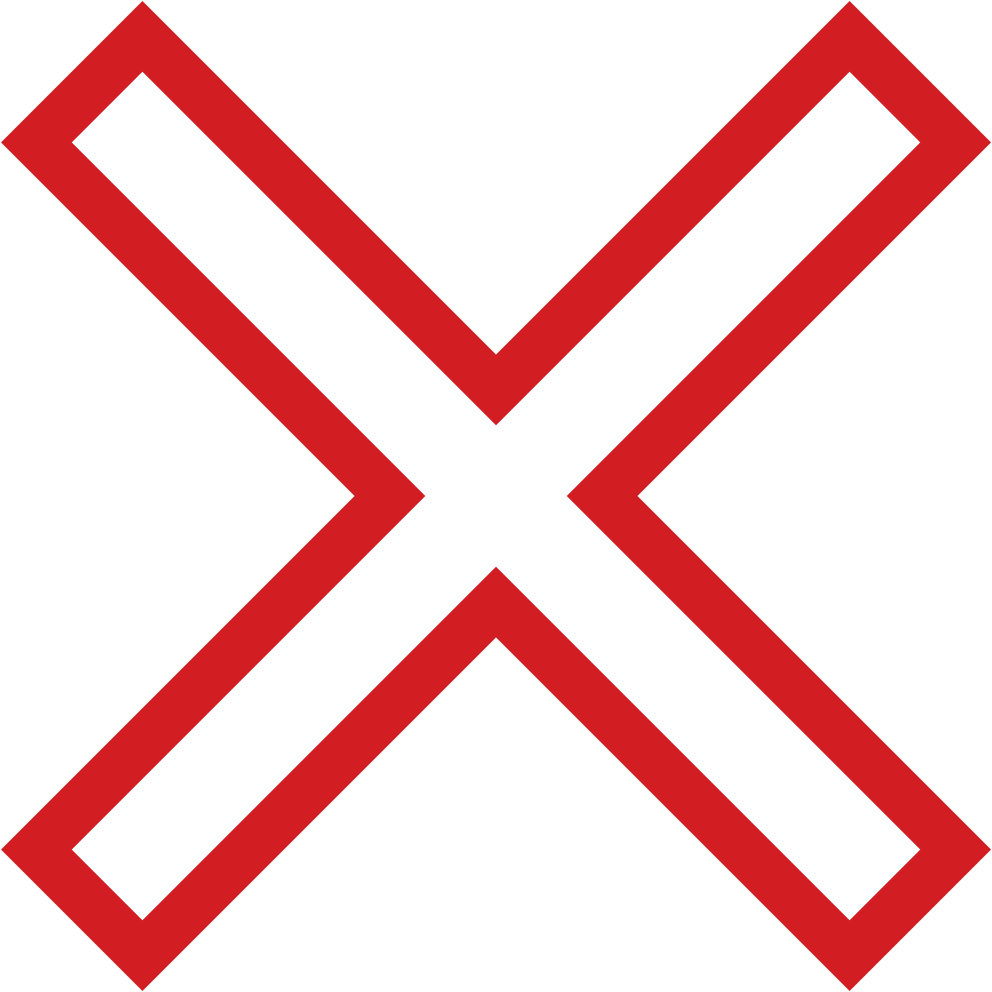
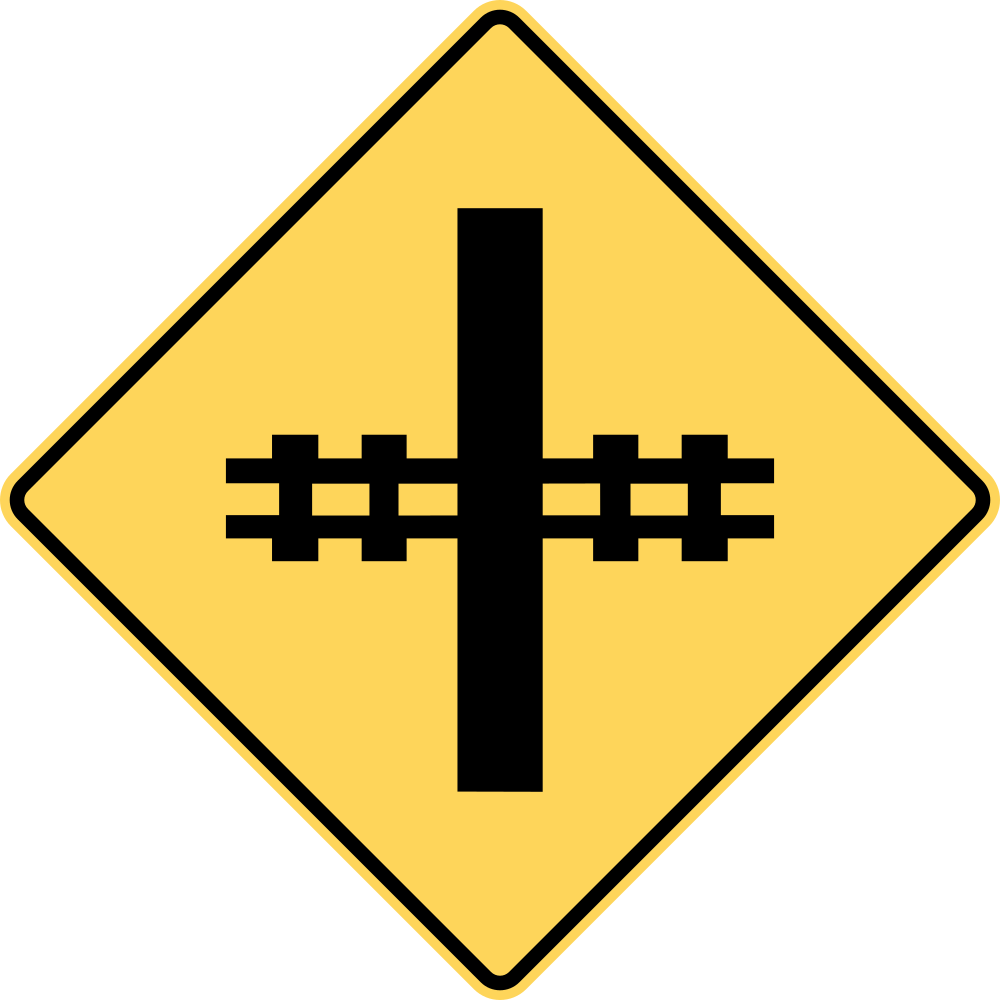
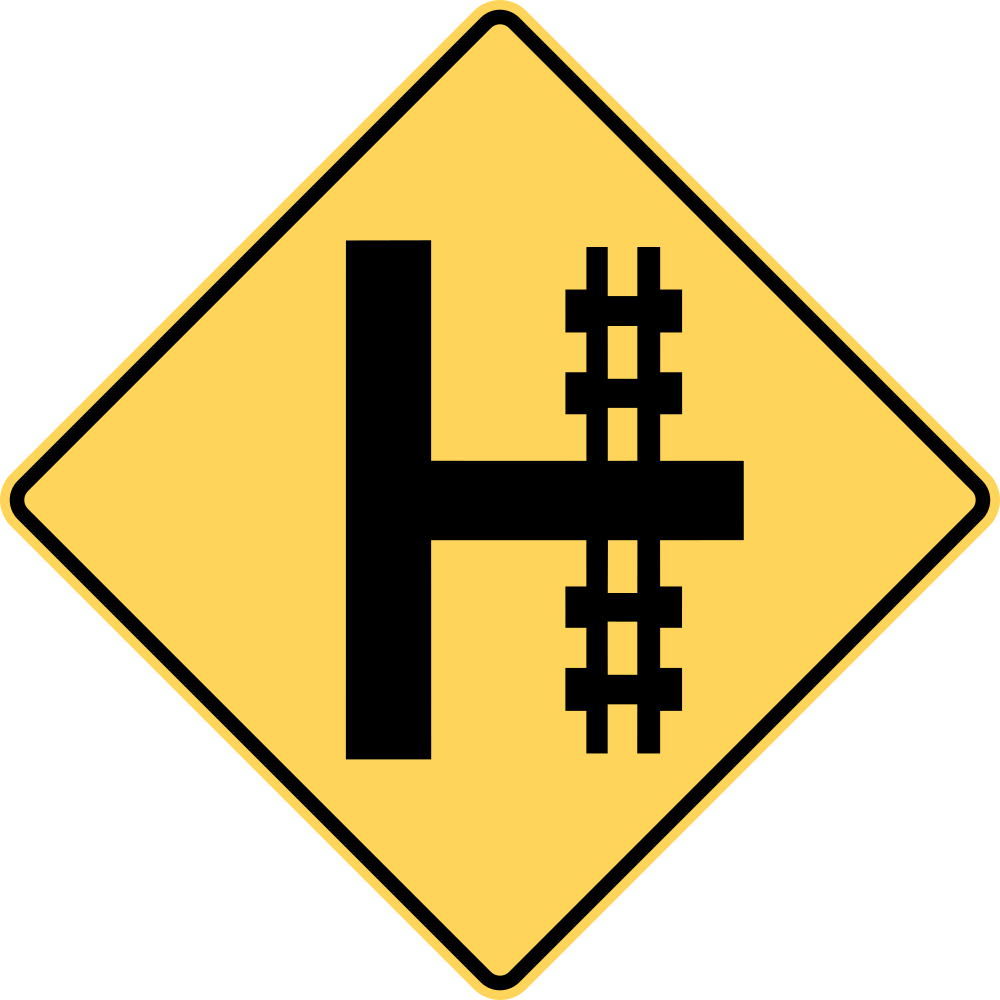
- Railway crossing ahead and railway crossing on side road ahead both mean be prepared to stop. These advance warning signs are usually posted where you cannot see the crossing itself, an advisory speed sign below may show that the safe speed is lower than the posted limit, and a painted X on the pavement may mark the approach.
- At the crossing itself: the railway crossing sign means stop, then proceed when it is safe; where there is a gate, stay stopped until it is fully raised; if flashing red lights are displayed you must stop; and if a flag person directs you to stop, you must obey.
- Stop no closer than 5 metres and no further than 15 metres from the nearest rail. Trains always have the right of way and need about 2 kilometres to stop, so never try to beat one, and watch for a second train on another track.
Signs in this section

Official source: Signs signals and road markings ↗ · Sharing the road ↗