1.Steady red, yellow and green lights
- Lighted traffic signals organize the flow of traffic. As a rule, red means stop, yellow means caution and green means go — but a light that flashes, or one shaped as an arrow instead of a circle, can carry a slightly different meaning.
- A steady red light means you must come to a complete stop and wait for the light to turn green before you go straight ahead.
- After you have stopped at a red light and checked that the intersection is clear of vehicles, cyclists and pedestrians, you may turn right — or turn left onto a one-way street — unless a sign prohibits that turn on a red light.
- A steady green light means go — but only if the intersection is clear and it is safe. When a light has just turned green, scan the intersection before you move forward.
- A green light that has been green for a long time is "stale" and about to turn yellow. If you did not see it change, be prepared to stop; as you approach, decide on a point of no return — past that point you keep going even if the light turns yellow, so judge it so you are not in the intersection on red.
- A steady yellow light means the signal is about to turn red. You must stop before entering the intersection unless you cannot stop safely in time.
- When you turn left on a steady green, yield to oncoming traffic and wait for a safe gap. If you are already waiting in the intersection when the light turns yellow, you are legally allowed to finish the turn — but watch for oncoming drivers trying to beat the red.
Signs in this section
Official source: Signs signals and road markings ↗ · Rules of the road ↗
2.Flashing red, yellow and green lights
- A flashing red light means you must come to a complete stop. After stopping, move into the intersection only when it is clear and safe to do so.
- A flashing yellow light means slow down and proceed through the intersection with caution.
- In B.C. a flashing green light marks a pedestrian-controlled intersection. You may go, but only if the intersection is clear.
- At a flashing green light a pedestrian can press a button that turns the signal yellow and then red. Even when nobody has pressed it, traffic on the side street faces a stop sign and may be waiting to move into the intersection.
- If you see a pedestrian standing near a crosswalk with flashing green lights, assume they have pressed the button and the light is about to change: slow down and be prepared to stop.
- Whether a green arrow flashes depends on where you are: in some places green arrows flash and in others they never do, so read each signal as you find it.
Signs in this section
Official source: Rules of the road ↗ · Signs signals and road markings ↗ · Sharing the road ↗
3.Green and yellow arrows, protected turns and transit signals
- A green arrow means you may turn in the direction the arrow points. A green arrow pointing straight ahead means go straight through only — no turn is permitted.
- A green arrow gives you a protected turn: as long as it is showing, the through traffic you are turning across faces a red light.
- Some left-turn lanes are controlled by their own set of lights, with a green arrow at the bottom telling you when to turn. Once that arrow turns yellow, stop and wait for the next green arrow before turning.
- A flashing green arrow with a steady green light lets you turn in the direction of the arrow or go straight. A flashing green arrow with a steady red light allows the left turn while through traffic must stop for the red.
- When the flashing arrow goes out and only the regular green light stays on, you may still turn left, but you must yield to pedestrians and oncoming traffic. Some advance arrows operate only during peak traffic hours.
- A yellow arrow means the advance left-turn signal is about to change: slow down and stop before the intersection unless you cannot stop safely in time.
- A transit priority signal is a steady white rectangular light. Only buses may go on it; everyone else waits for their own signal.
Signs in this section
Official source: Signs signals and road markings ↗ · Rules of the road ↗
4.Lane control signals and pedestrian signals
- Lane control signals hang over the lanes of a road to show which lanes are open for driving.
- One signal tells you not to drive in the lane beneath it; another tells you to move out of that lane into a lane showing a green arrow; the green arrow itself means you may drive in that lane.
- If the lane control signals over every lane are flashing yellow, slow down and proceed with caution.
- A double broken yellow line marks a reversible lane; the lane control signal above it tells you whether you may use that lane at the moment.
- Pedestrian signals help drivers too: in many areas the white walking figure changes to an orange hand just before the traffic light turns yellow, or a countdown shows how many seconds remain — both are clues that the green light is stale.
- A pedestrian should not start to cross while the signal is flashing a warning such as an orange hand, should use crosswalks, and should always activate the pedestrian crossing signal where there is one.
Signs in this section


Official source: Signs signals and road markings ↗ · Rules of the road ↗ · Sharing the road ↗
5.When signals fail, and people who direct traffic
- Traffic lights sometimes stop working: they can go out, or all four lights can start flashing. When that happens, treat the intersection as a four-way stop.
- At a four-way stop the first vehicle to arrive and come to a complete stop goes first; if two vehicles arrive at the same time, the one on the right goes first; if two vehicles face each other, the one turning left yields to the one going straight through.
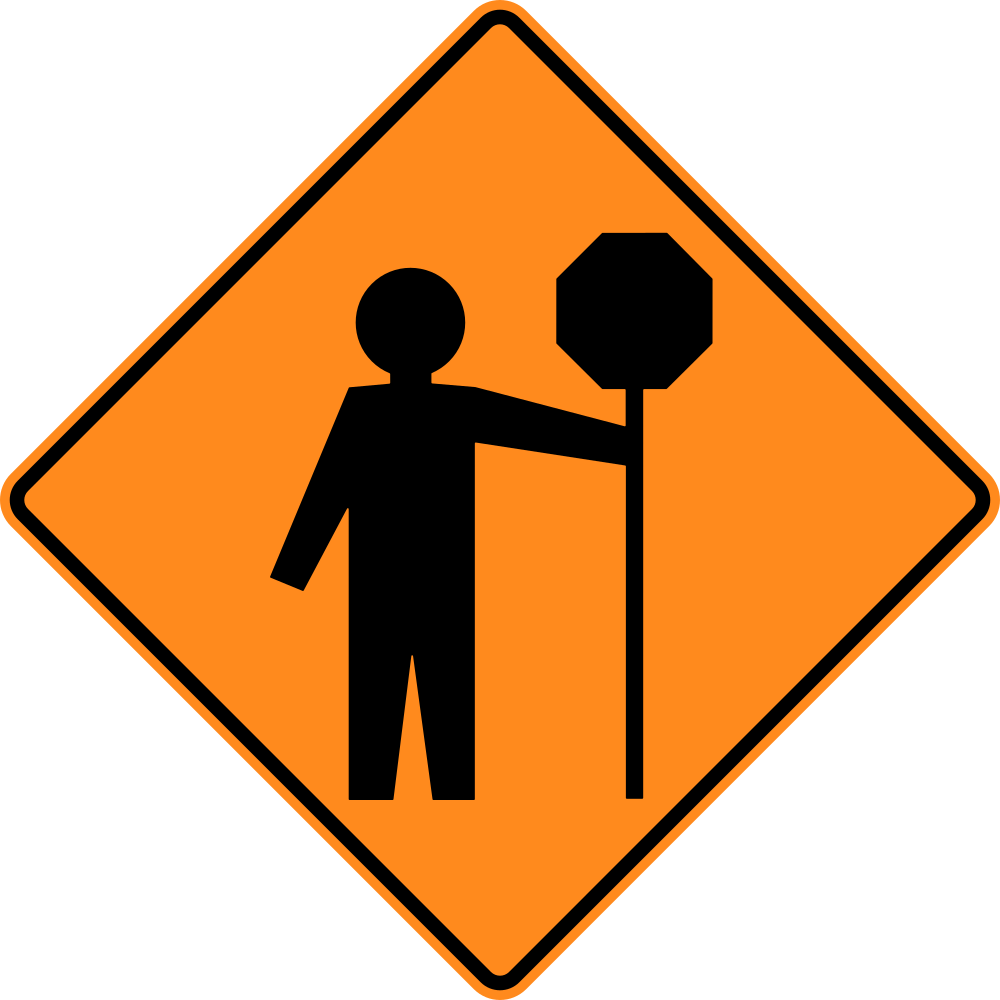
- When a traffic control person is directing traffic, you must follow that person's directions.
- In a construction zone, obey the traffic-control persons, keep within the posted speed, stay well back from all equipment and pass only when it is safe. Stop when a traffic control person or device tells you to — you may have to wait for a pilot car to escort you through the work zone.
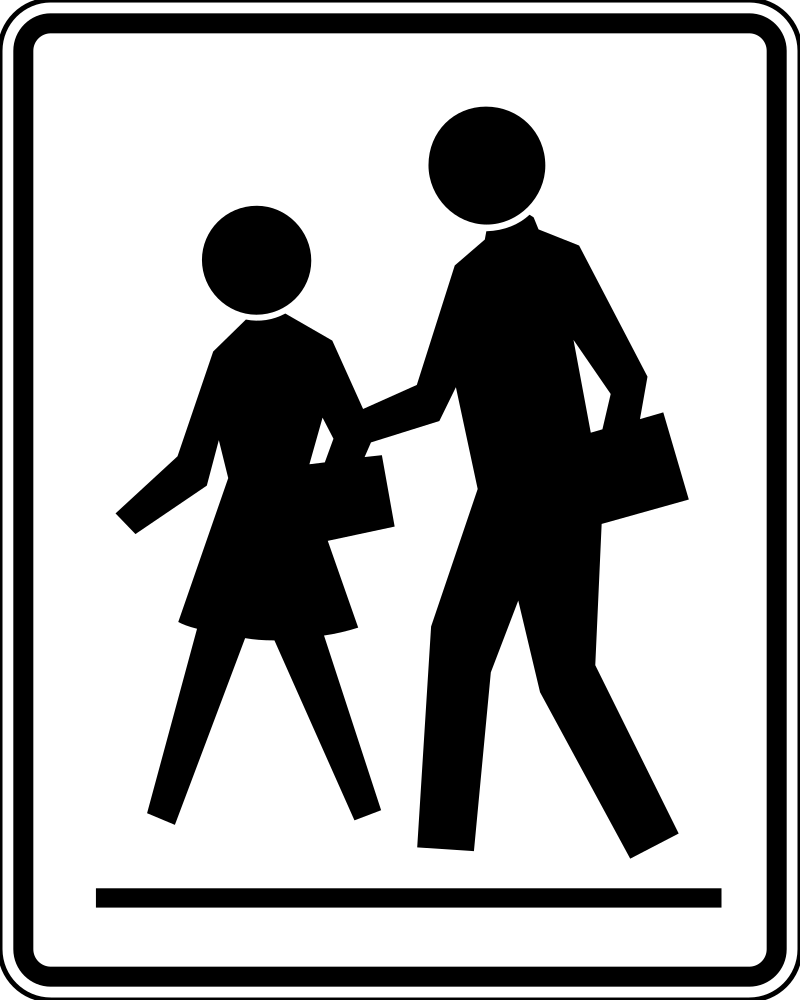
- Near schools, look well ahead for school patrols and crossing supervisors, and obey them at all times.
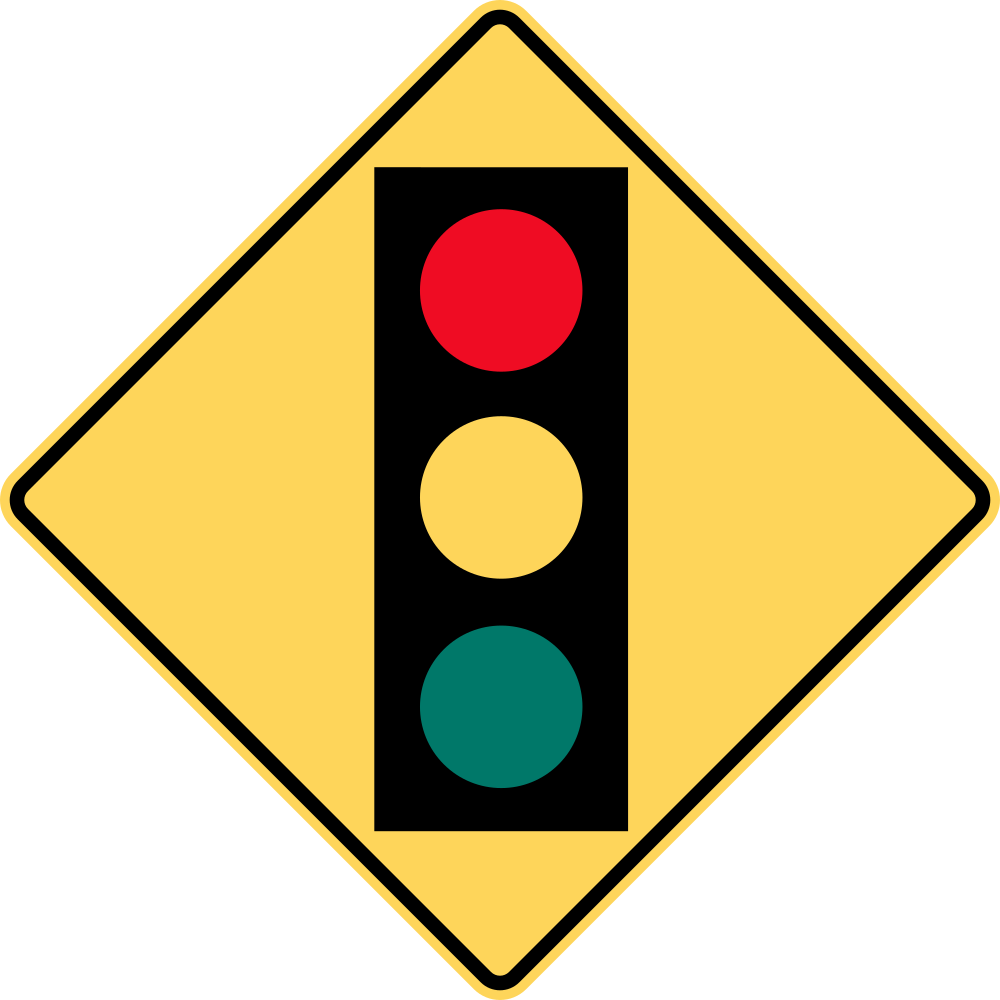
- A yellow warning sign showing a traffic light warns that signal lights are ahead; the version with flashing lights added means prepare to stop when the lights are flashing. An orange sign showing a person with a flag warns of a traffic-control person ahead.
Signs in this section
Official source: Rules of the road ↗ · Signs signals and road markings ↗ · Sharing the road ↗
6.Yellow lines: two-way traffic and passing
- Road markings are painted on the roadway, curbs and other surfaces to warn or direct you. It is illegal to drive over freshly painted, wet markings.
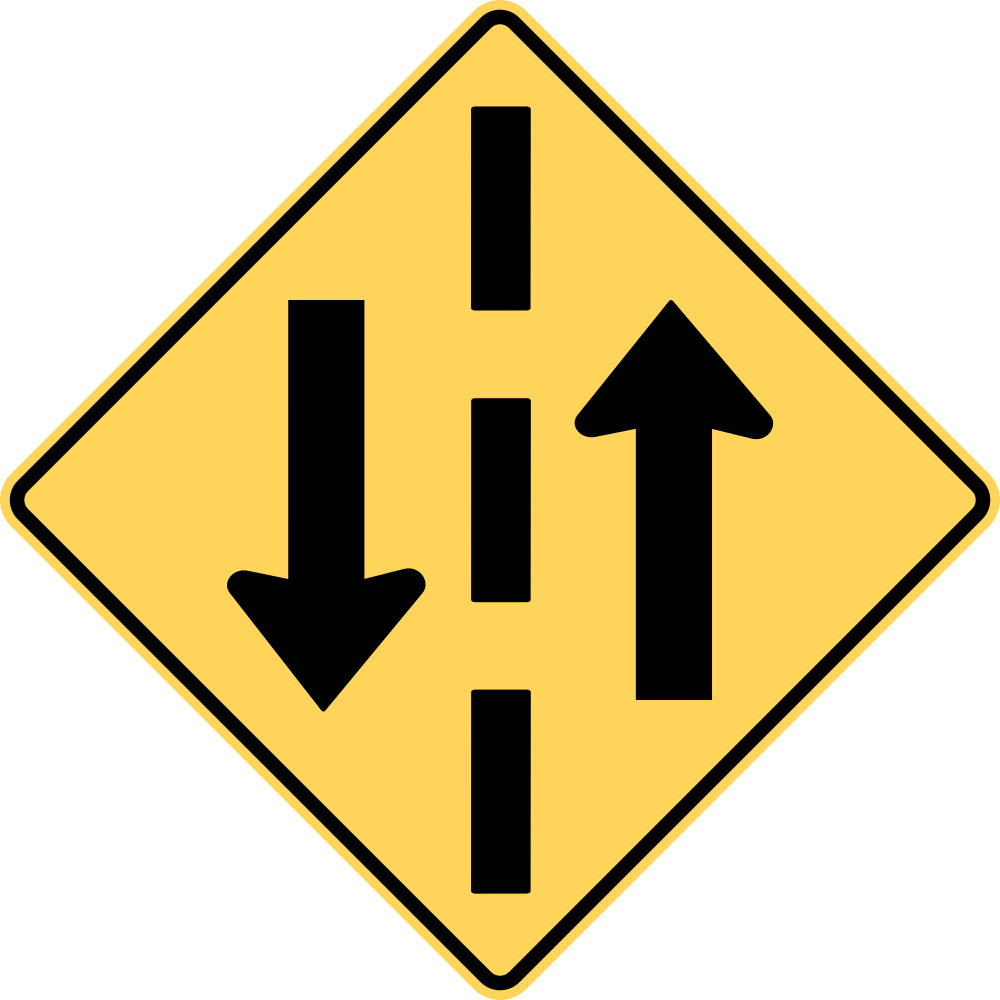
- Yellow lines divide traffic moving in opposite directions. If there is a yellow line on your left, traffic is coming toward you on the other side of it.
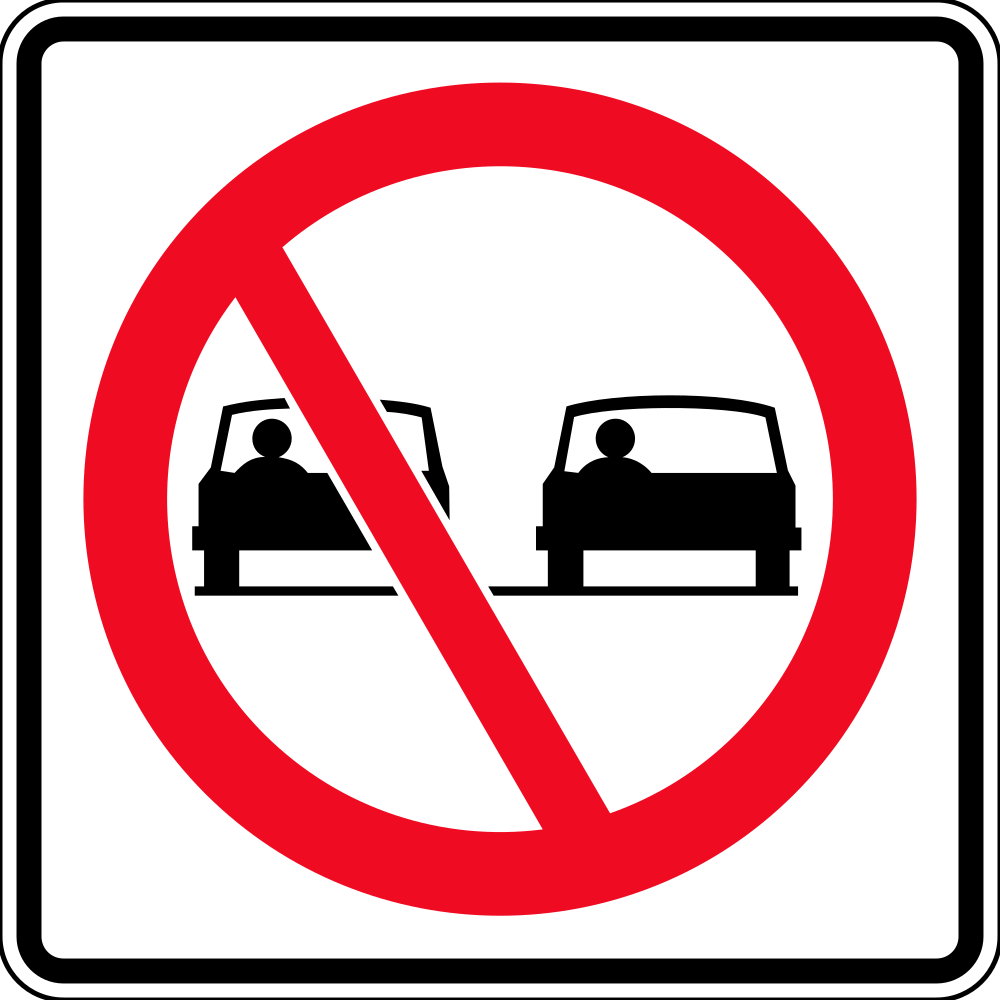
- A broken yellow line means passing is allowed when it is safe. Where a broken line runs beside a solid one, you may pass only when it is safe and the broken line is on your side.
- A double solid yellow line means no passing. In B.C. a single solid yellow line does not forbid passing — it means passing is allowed with extra caution.
- You may cross a single solid yellow line to pass a cyclist, provided you can do it safely, and you should leave a side margin of at least 1 metre.
- A two-way left-turn lane in the centre of the road is shared by drivers from both directions for left turns; its markings may be reversed, with the solid lines inside the broken ones. Make sure there is enough space before you enter it, and watch for vehicles coming from the opposite direction.
Signs in this section
Official source: Signs signals and road markings ↗ · Sharing the road ↗ · Rules of the road ↗
7.White lines, stop lines and crosswalks
- White lines separate lanes of traffic moving in the same direction. They also mark crosswalks, stopping positions and the right shoulder of a highway.
- A solid white line between lanes means do not change lanes. A broken white line means you may change lanes when it is safe.
- A stop line is a white line across your lane: stop just before it. If there is a crosswalk but no stop line, stop just before the crosswalk; if there is no stop line, crosswalk or sidewalk, stop just before you enter the intersection.
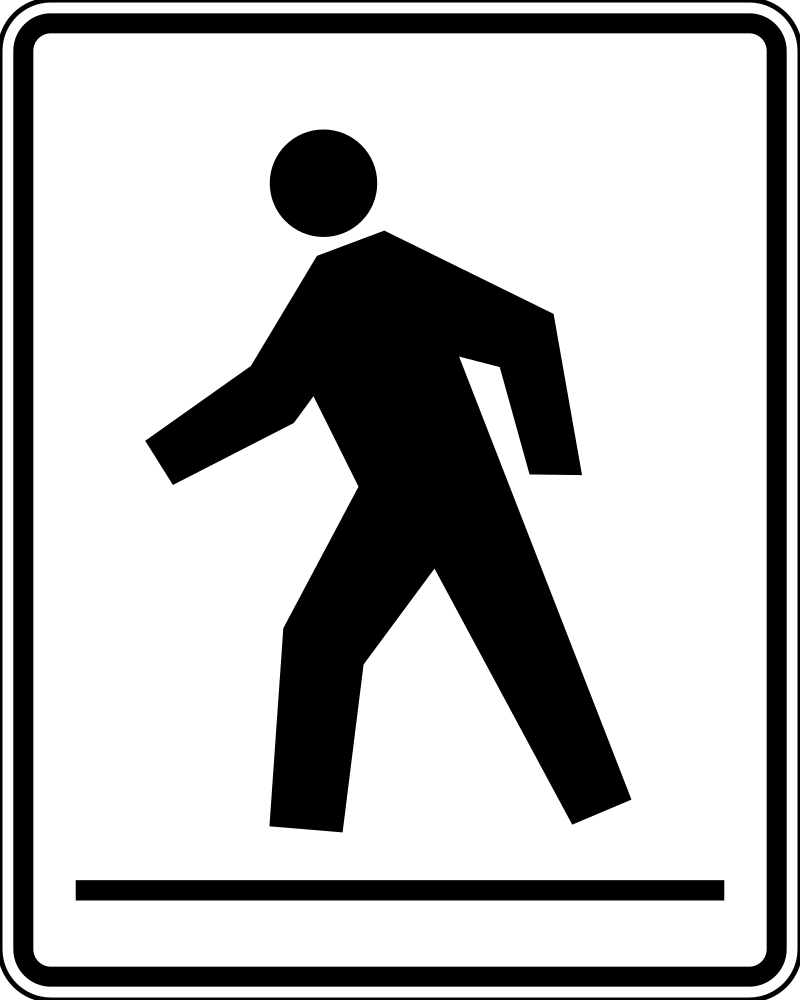
- Painted crosswalk markings mean stop for pedestrians in the crosswalk. Some pedestrian-activated crosswalks add lights set into the pavement that light up when someone is crossing — stop for anyone in the crosswalk.
- Never pass a vehicle stopped at a crosswalk — it is illegal and unsafe, because the driver may have stopped to let pedestrians cross. Do not enter a crosswalk without checking that it is empty, even when the light is green.
- On the approach to some railway crossings a large X is painted on the pavement to warn you that a crossing is ahead.
Signs in this section
Official source: Signs signals and road markings ↗ · Rules of the road ↗ · Sharing the road ↗
8.Reserved lanes, bicycle lanes, painted islands and lane arrows
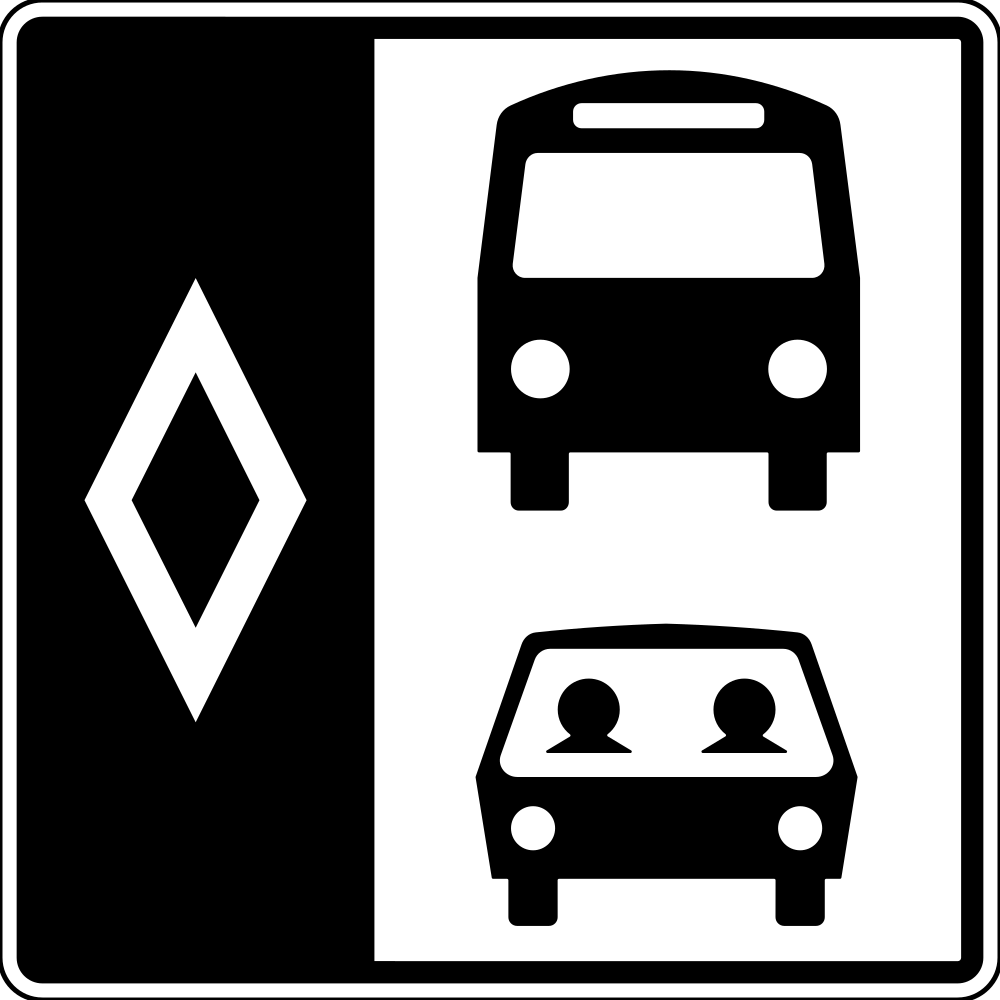
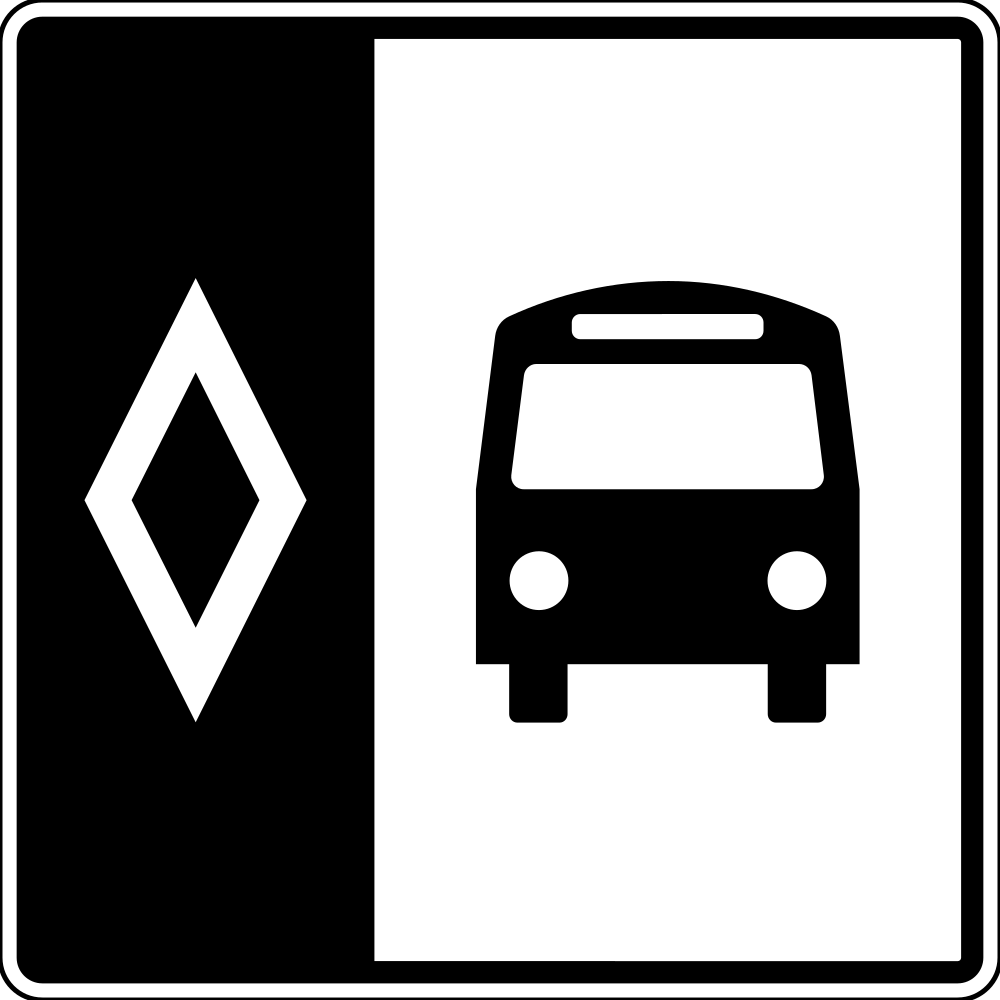
- A white diamond painted on the road marks a reserved lane. HOV lanes are marked with thick solid or broken lines and white diamonds, and additional signs or markings state which vehicles may use the lane.
- Enter and leave an HOV lane only where broken lines mark a crossing point, and enter with care — traffic in these lanes often moves faster than the regular lanes.
- A bicycle lane is for cyclists only, and cyclists in it must travel in the same direction as the traffic beside them. It is marked with the outline of a bicycle and sometimes a diamond.
- Do not drive, stop or park in a bicycle lane. You may cross one only where its white line is broken or to turn into or out of a driveway — signal well ahead and yield to all cyclists.
- A painted island is an area marked off on the pavement: keep to the right of it and do not drive on or over it.
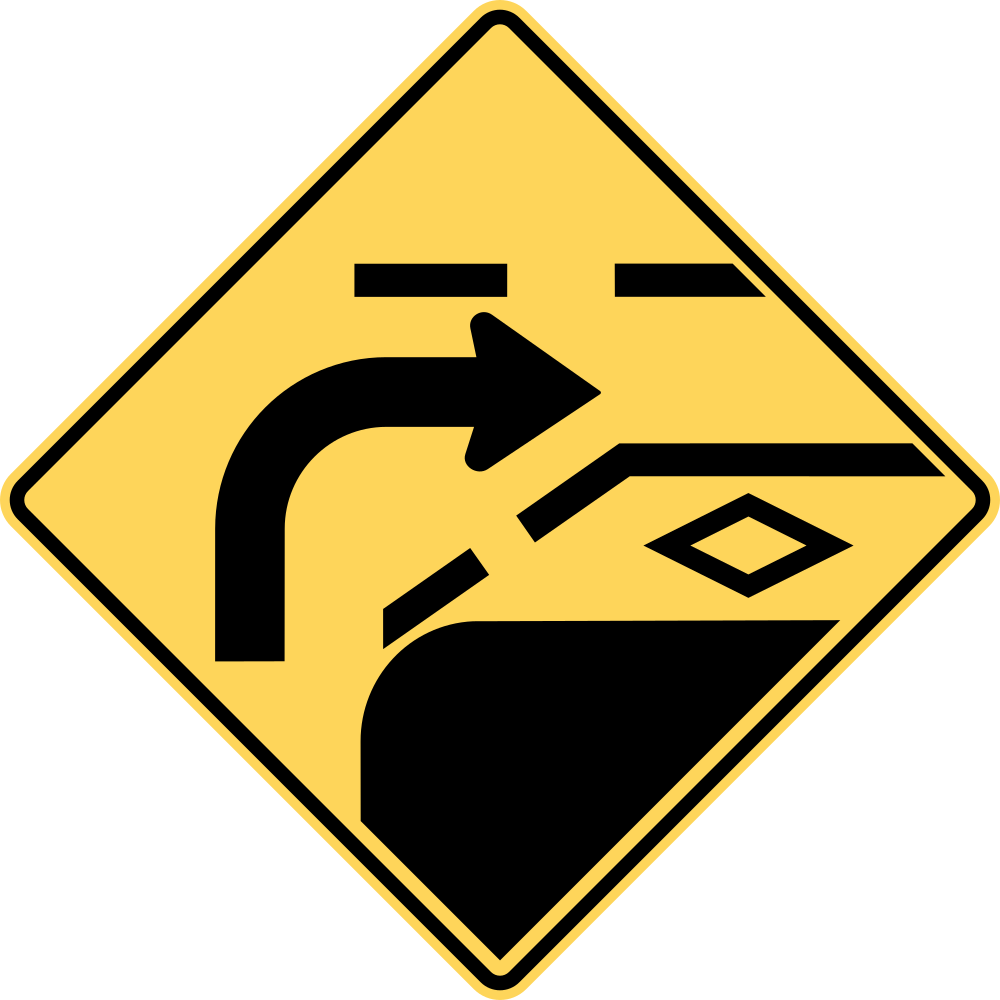
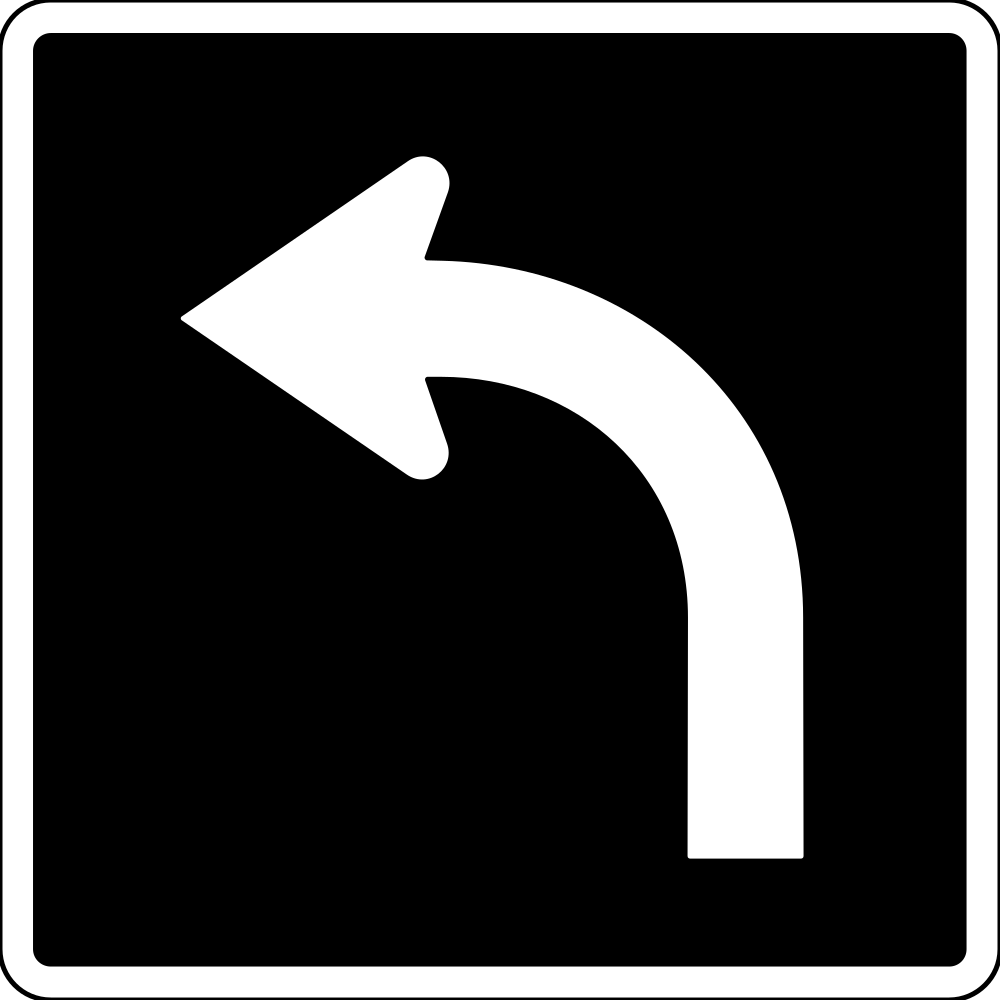
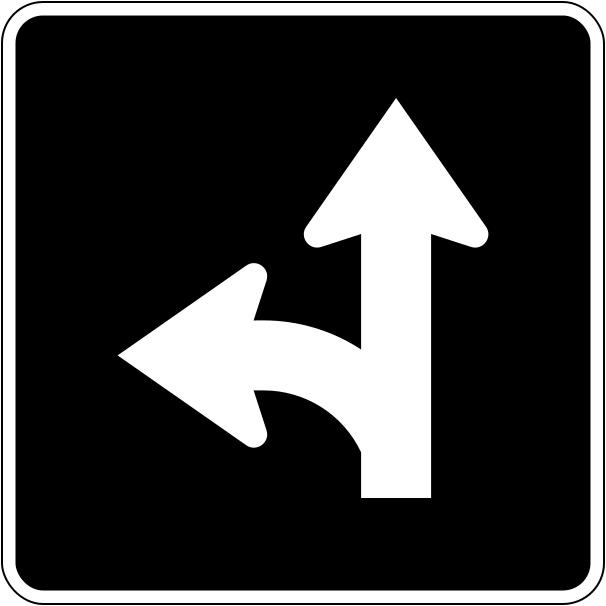
- Arrows painted in a lane tell you what vehicles in that lane must do — turn left, or go straight or turn left. Once you are in a designated lane you must follow its arrows, and you may not move into or out of it while you are in the intersection.
Signs in this section
Official source: Signs signals and road markings ↗ · Rules of the road ↗