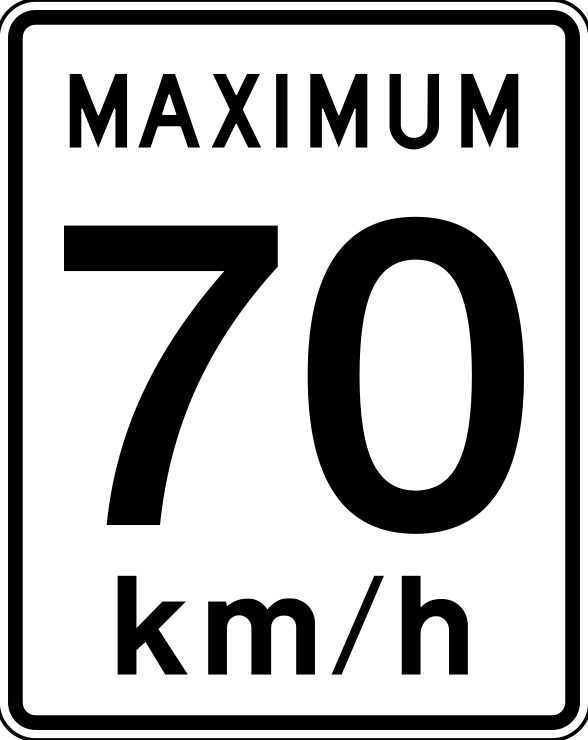
Regulatory signs
Maximum speed limit
What it means
The number is the maximum legal speed, in km/h, when the road is bare and dry and visibility is good. Drive slower when conditions are worse.
White with black or red; a red circle with a slash means prohibited, a green circle means permitted.
Summarised from ICBC’s Learn to Drive Smart. Read the original: Signs signals and road markings ↗
How to recognise it
A white upright rectangle with black lettering: MAXIMUM across the top, a large number in the middle and km/h underneath.
Where you will see it
Along highways and city streets, usually just past an intersection or wherever the limit changes. Where no sign is posted, a default limit for the type of road applies.
What to do when you see it
- 1.Keep at or below the number shown.
- 2.Treat it as the limit for ideal conditions only — a bare, dry road and good visibility. In rain, snow, fog, darkness or heavy traffic, drive slower.
- 3.Stay within it even while you are passing another vehicle.
On the knowledge test
The guide defines this number as the maximum legal speed when the road is bare and dry and visibility is good. Wrong answers call it a recommended speed or a minimum; the trap is thinking you may always drive at it.
Do not confuse it with
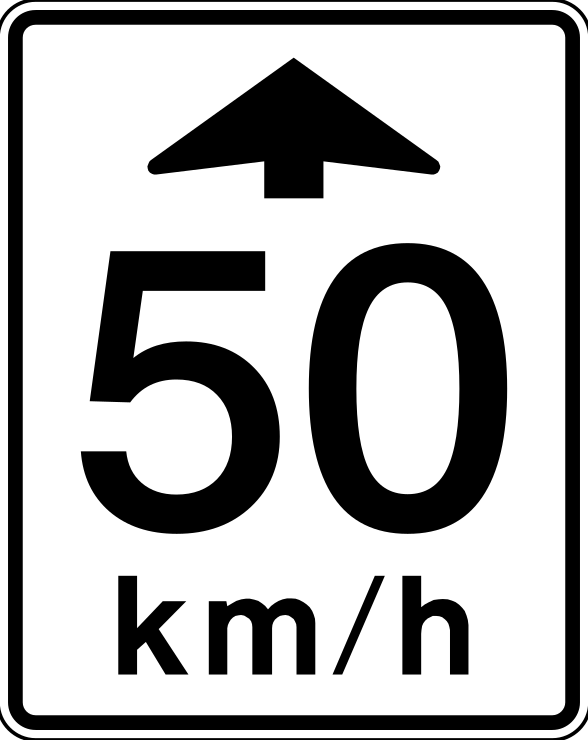 Lower speed limit aheadThe sign with an arrow above the number only announces a lower limit further on; this one is the limit now.
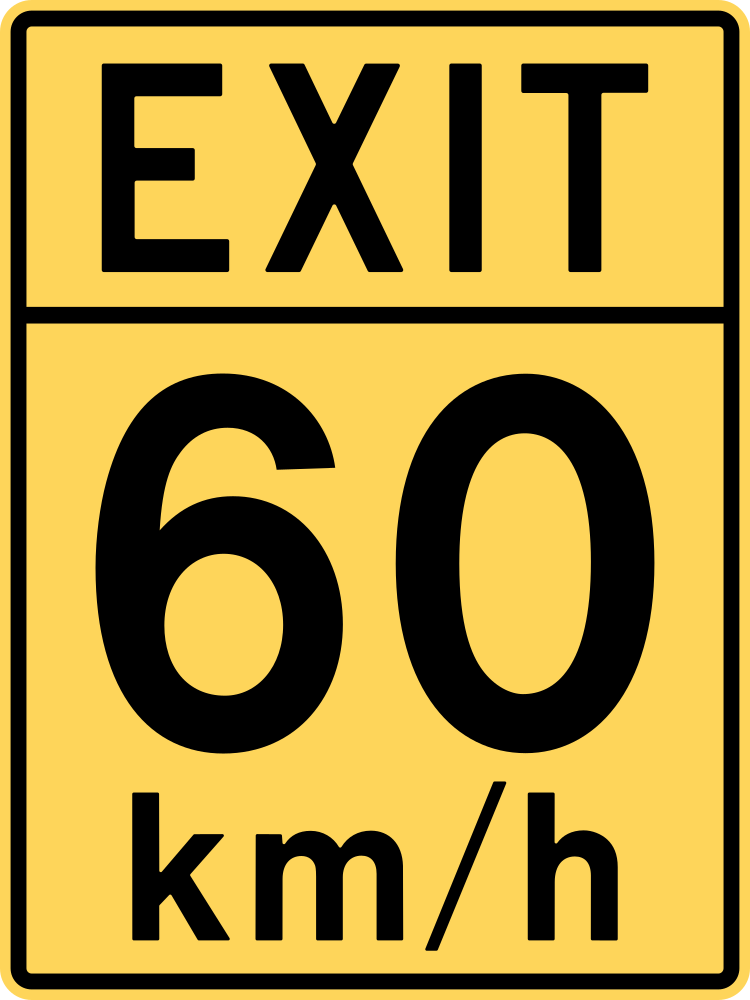 Exit advisory speedA speed on a yellow warning sign is an advisory speed for a ramp or curve, not the legal maximum.
- School zone — 30 km/h tabA school zone sign with a 30 km/h tab lowers the limit only from 8 a.m. to 5 p.m. on school days.
Practice questions for this sign