Practice session
Warning signs
Loading…
Every question on this page
The whole pool, with the answer and the explanation for each one. Practise first, then read through anything you were unsure of.
Show all 28 questions with answers
1 of 28 · Warning signs
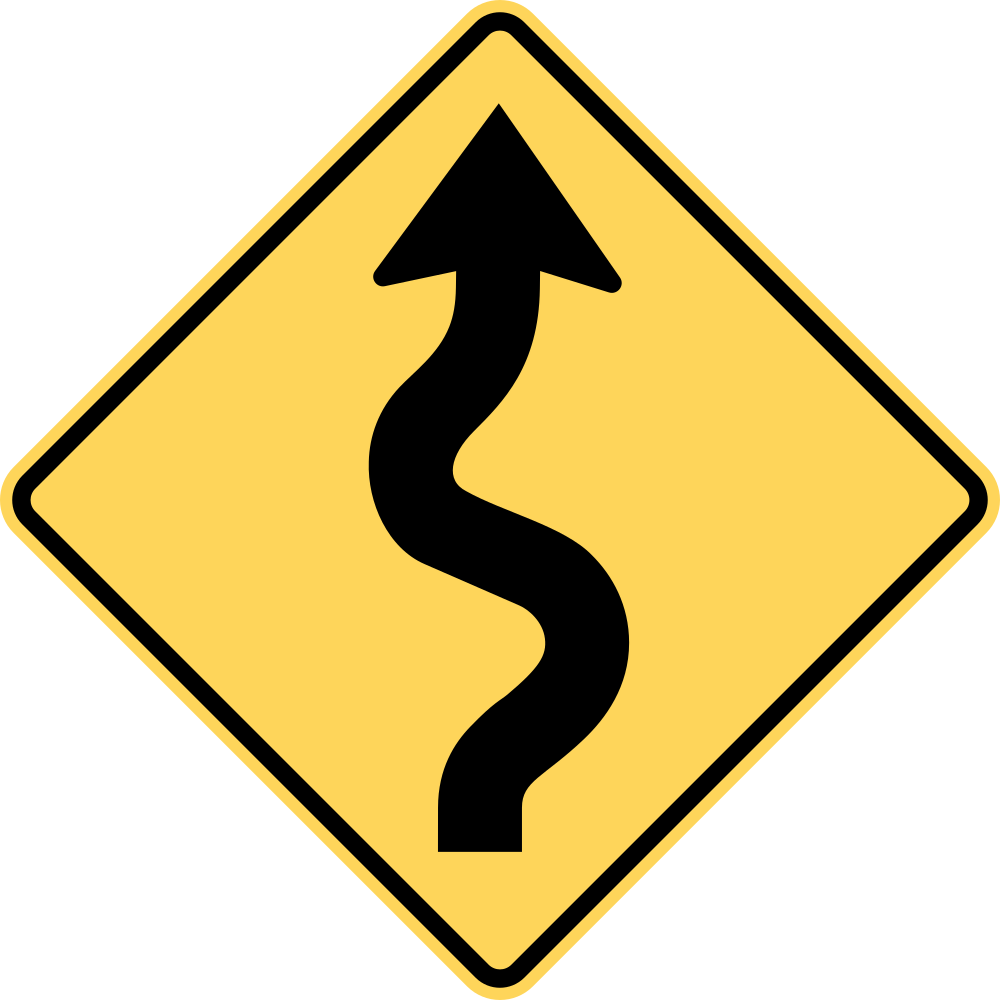
What shape and colour are most warning signs, such as this one?
- A.Yellow and diamond-shapedAnswer
- B.Red and octagonal
- C.Green and rectangular
- D.Blue and square
Explanation: Shape and colour let you read a sign before you can read its words. Most warning signs are yellow diamonds that warn of a possible hazard ahead, so slow down and look for what the symbol describes.
2 of 28 · Warning signs
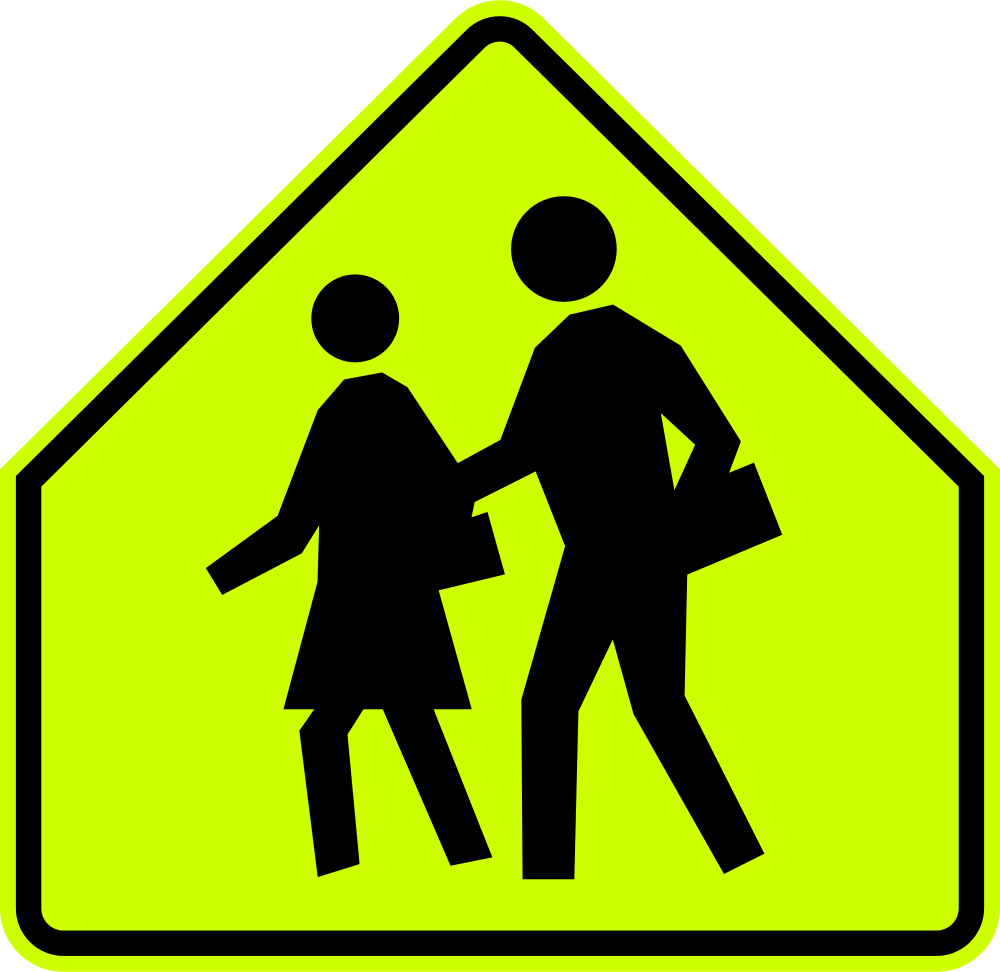
This fluorescent yellow-green sign has no speed tab under it. What does it ask of you?
- A.Reduce speed when children are presentAnswer
- B.Drive at 30 km/h at all times, day and night
- C.Stop before entering the zone
- D.Nothing; the sign only marks the school property
Explanation: School zone signs are fluorescent yellow-green. Without a tab, this one tells you to reduce speed when children are present; a tab underneath would set a specific limit and its hours.
3 of 28 · Warning signs
The tab under this school zone sign shows only 30 km/h. When is that limit in effect?
- A.From 8 a.m. to 5 p.m. on school daysAnswer
- B.Every day from dawn to dusk
- C.24 hours a day, every day of the year
- D.Only while children are actually on the roadway
Explanation: When the tab shows only a speed, that 30 km/h limit applies from 8 a.m. to 5 p.m. on school days. If the tab also shows hours, those hours apply instead. Do not confuse it with a playground zone, whose 30 km/h limit runs every day from dawn to dusk.
4 of 28 · Warning signs
The tab under this school zone sign shows both a speed limit and hours. What does that mean?
- A.The speed limit is in effect during the hours shown on the tabAnswer
- B.The speed limit applies at all times; the hours only show when the school is open
- C.The hours show when parking is prohibited
- D.The speed limit applies only on weekends
Explanation: A tab that gives both a speed and hours tells you exactly when the school zone limit applies. When the tab gives a speed only, the default period of 8 a.m. to 5 p.m. on school days applies.
5 of 28 · Warning signs
When is the 50 km/h limit on this school zone sign in effect?
- A.From 8 a.m. to 5 p.m. on school days, when children are on the roadway or shoulderAnswer
- B.Every day from dawn to dusk
- C.At all times on school days, whether or not children are present
- D.Only when the yellow lights on the sign are flashing
Explanation: This version of the school zone sign is used on faster roads. Its 50 km/h limit applies from 8 a.m. to 5 p.m. on school days when children are on the roadway or the shoulder, so watch for children as well as the clock.
6 of 28 · Warning signs
You have slowed to 30 km/h for this school zone. How do you know where the zone ends?
- A.When you reach the back of the school zone sign on the other side of the streetAnswer
- B.At the next intersection
- C.As soon as you have passed the school building
- D.When the fluorescent yellow-green sign changes to yellow
Explanation: School zone signs face traffic in each direction. The back of the sign for oncoming drivers marks the end of the 30 km/h zone for you; until you reach it, keep to the school zone speed.
7 of 28 · Warning signs
When is the 30 km/h limit on this playground zone sign in effect?
- A.Every day from dawn to duskAnswer
- B.From 8 a.m. to 5 p.m. on school days
- C.Only when children can be seen in the playground
- D.24 hours a day, every day
Explanation: A playground zone is not tied to the school calendar: its 30 km/h limit applies every day, including weekends and holidays, from dawn to dusk. At night the regular limit returns.
8 of 28 · Warning signs
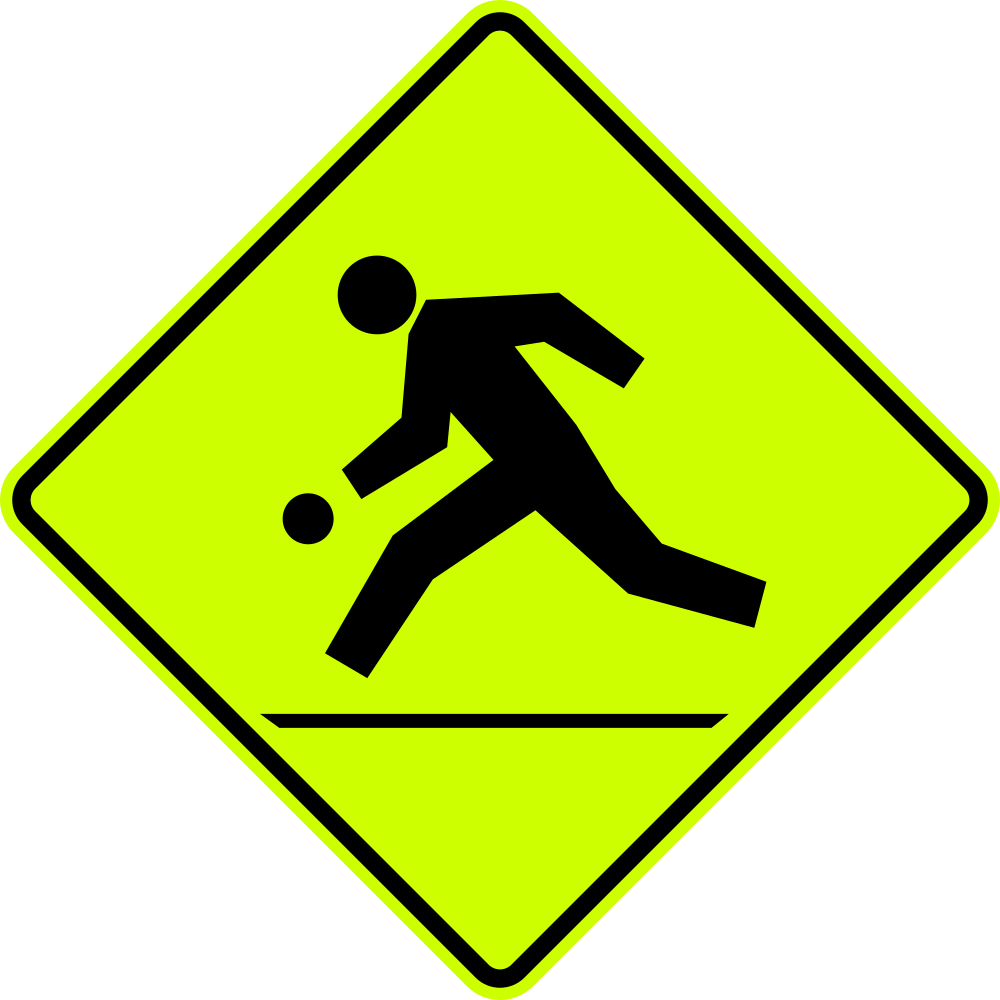
What does this sign ask you to do?
- A.Be prepared to slow down because a playground is nearbyAnswer
- B.Slow to 30 km/h immediately; a playground zone limit is in effect
- C.Stop and wait for children to cross
- D.Sound your horn to warn children
Explanation: Playground nearby is a warning to be ready to slow down and watch for children. It is the playground zone sign, with its speed tab, that sets a 30 km/h limit from dawn to dusk.
9 of 28 · Warning signs
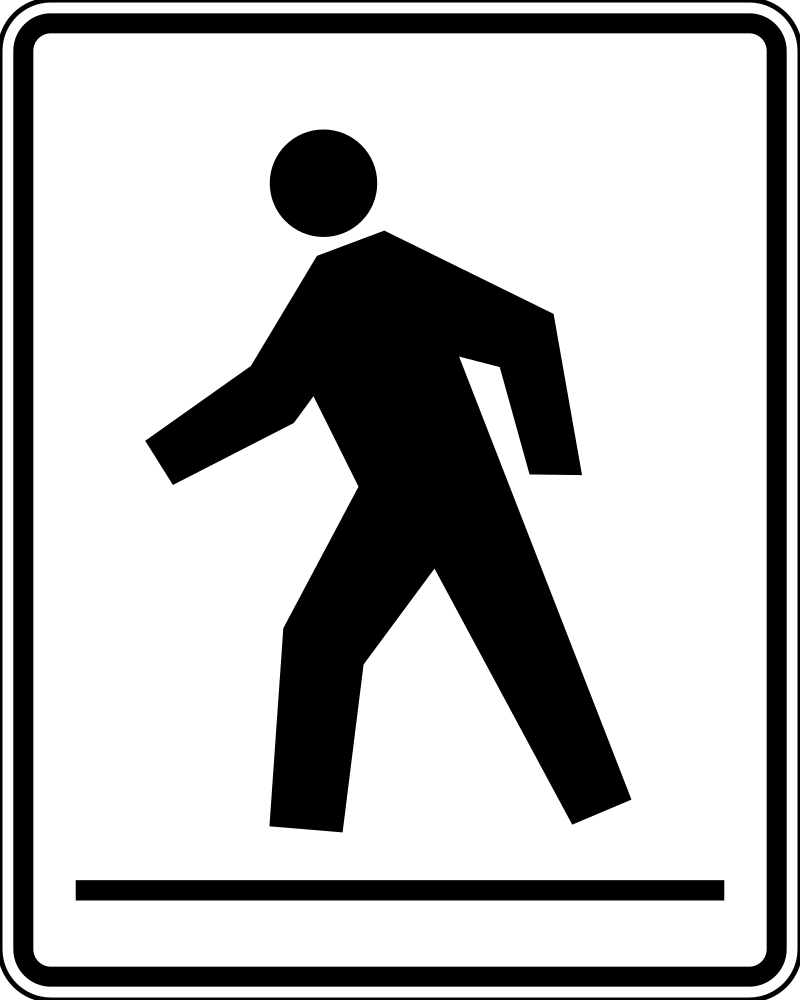
What must you do at a crosswalk marked with this sign?
- A.Yield to people crossingAnswer
- B.Come to a full stop even when nobody is crossing
- C.Sound your horn so pedestrians wait for you
- D.Speed up to clear the crosswalk quickly
Explanation: The pedestrian crosswalk sign marks a place where people cross the road. Slow down, scan the crosswalk and yield to anyone crossing or about to cross; never pass a vehicle stopped at a crosswalk.
10 of 28 · Warning signs
The light on this crosswalk sign is flashing. What does that mean?
- A.A pedestrian has activated the crossing; prepare to stopAnswer
- B.The crosswalk is closed to pedestrians
- C.You may proceed without slowing down
- D.The signal is out of order
Explanation: At a pedestrian activated crosswalk, a person presses a button to start the flashing light. When it flashes, someone is about to cross: slow down and be ready to stop for them.
11 of 28 · Warning signs
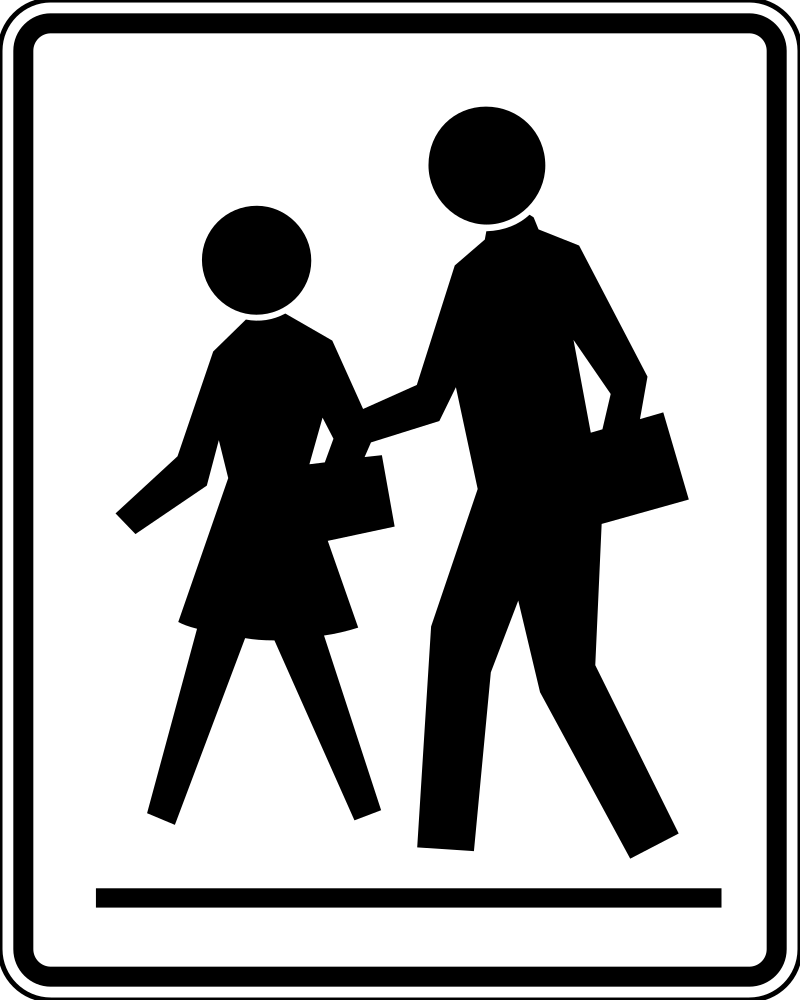
A crossing guard is on duty at a crosswalk marked with this sign. What must you do?
- A.Yield to the pedestrians and follow the crossing guard's directionsAnswer
- B.Proceed as soon as the guard is not looking at you
- C.Stop only if the children are very young
- D.Sound your horn so the guard clears the crosswalk
Explanation: At a school crosswalk you yield to pedestrians, and when a crossing guard or school patrol is there you must obey their directions at all times, even if the way looks clear to you.
12 of 28 · Warning signs
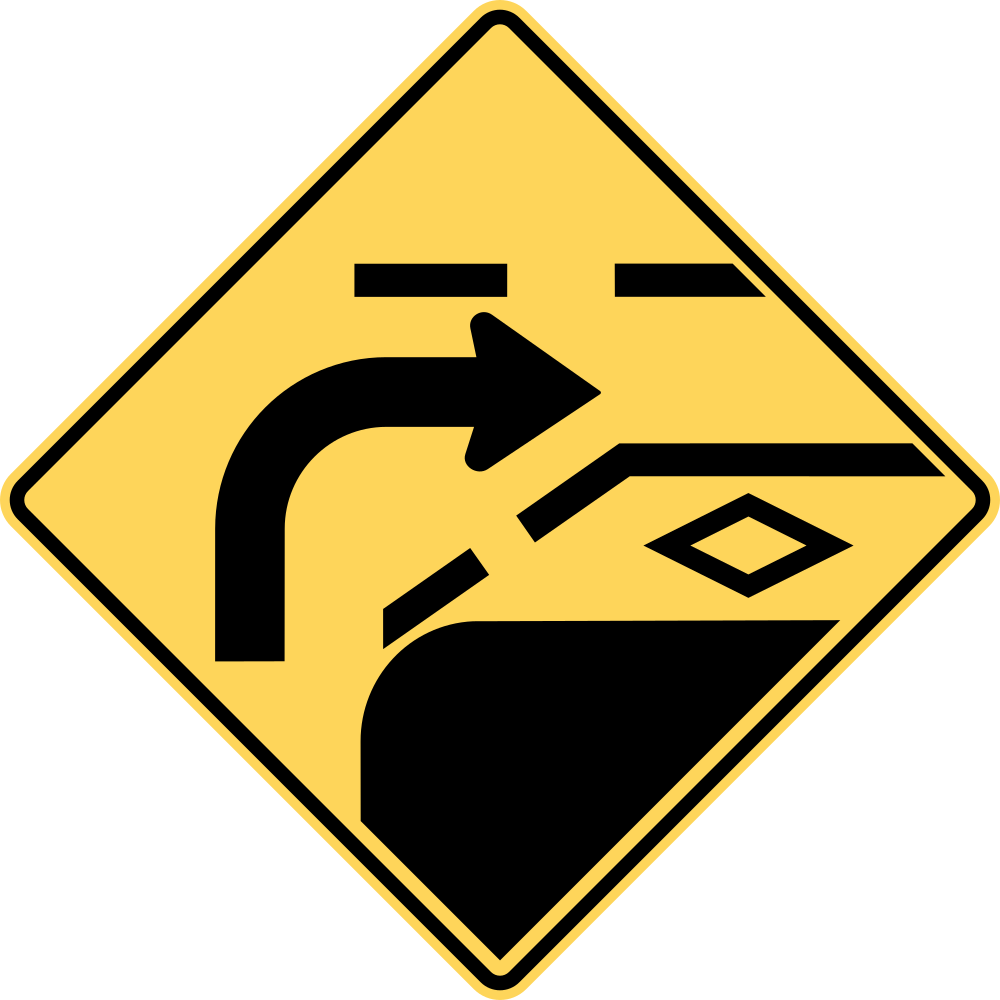
This sign warns that the curb lane of the cross street ahead is a reserved lane. When you turn onto that street, which lane should you turn into?
- A.The lane next to the reserved lane, unless you are entitled to use the reserved laneAnswer
- B.The reserved lane, because turning vehicles may always use it
- C.Whichever lane is empty at the time
Explanation: Reserved lanes are kept for the vehicles named on their signs. Unless your vehicle qualifies and you want to use the lane, turn into the lane beside it and leave the reserved lane free.
13 of 28 · Warning signs
Which of these warning signs is fluorescent yellow-green rather than yellow?
- A.School crosswalk aheadAnswer
- B.Railway crossing ahead
- C.Curve ahead
- D.Watch for deer ahead
Explanation: Signs about schools and school crossings use fluorescent yellow-green so they stand out from ordinary yellow warning signs. When you see that colour, expect children and slow down.
14 of 28 · Warning signs
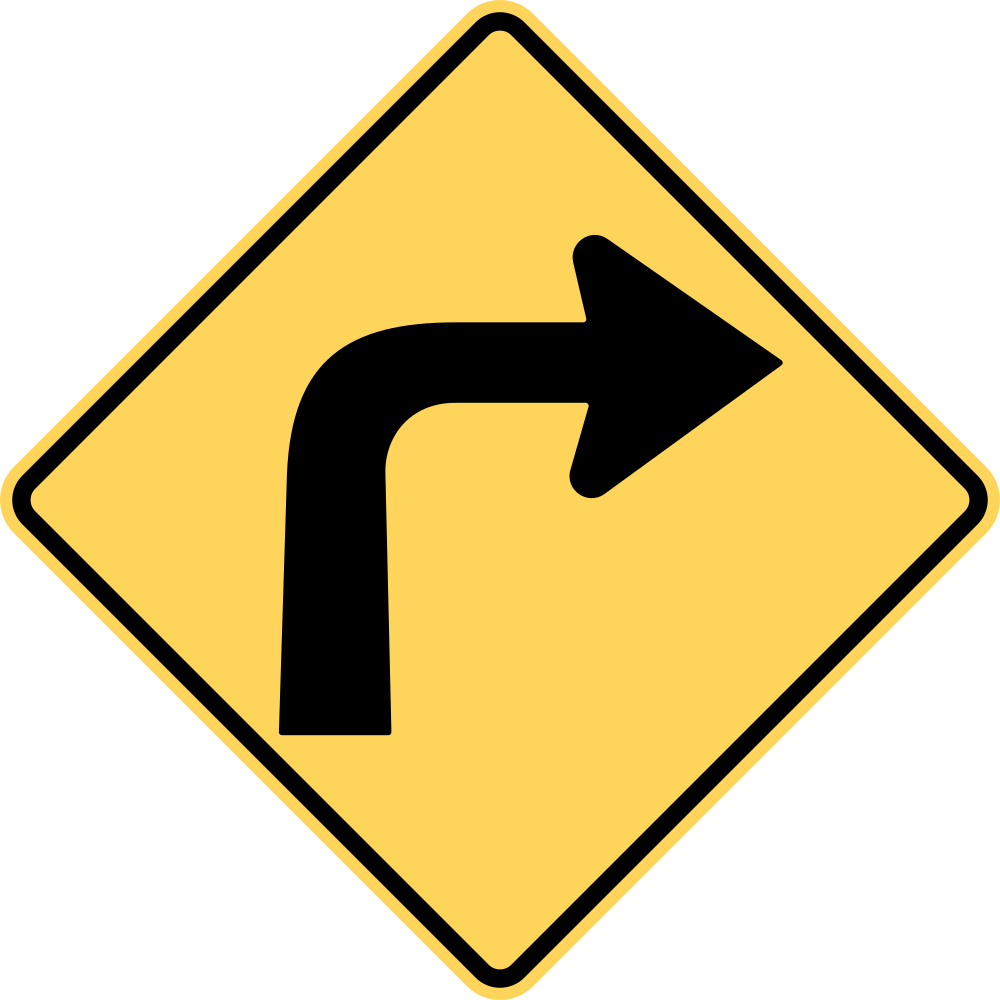
This sign has a speed shown on a tab below it. What is that speed?
- A.An advisory speed for the sharp curve; slow to it before you enter the curveAnswer
- B.The new legal maximum for the rest of the road
- C.The minimum speed you must maintain through the curve
- D.The speed limit that resumes after the curve
Explanation: A yellow warning sign with a speed tab gives an advisory speed: the safe speed for the hazard, which is lower than the posted limit for the road. Slow down before the curve, not in it.
15 of 28 · Warning signs
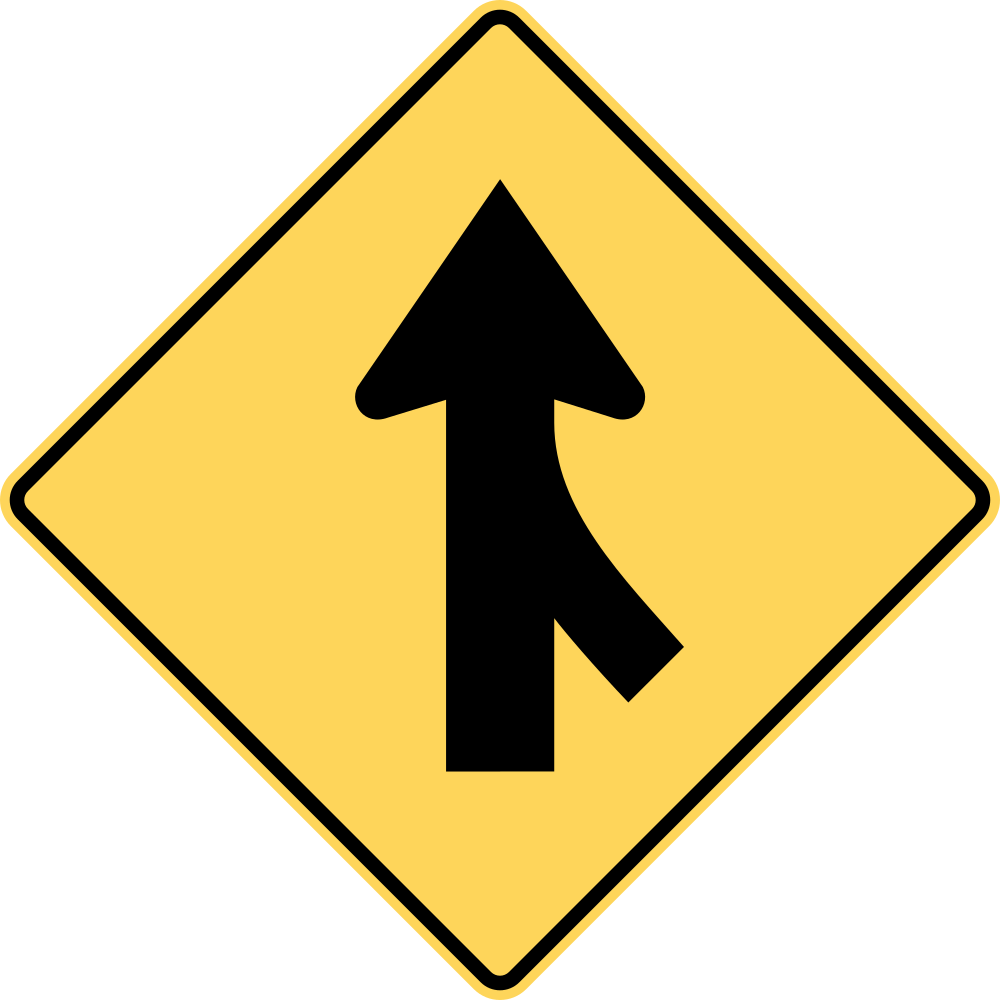
What does this sign warn you about?
- A.Traffic from another road merges into yours aheadAnswer
- B.The right lane ends ahead
- C.Two-way traffic begins ahead
- D.The divided highway ends ahead
Explanation: Merging traffic ahead means vehicles will be joining your road from the side. Check your mirrors and be ready to adjust your speed or change lanes so they can merge safely.
16 of 28 · Warning signs
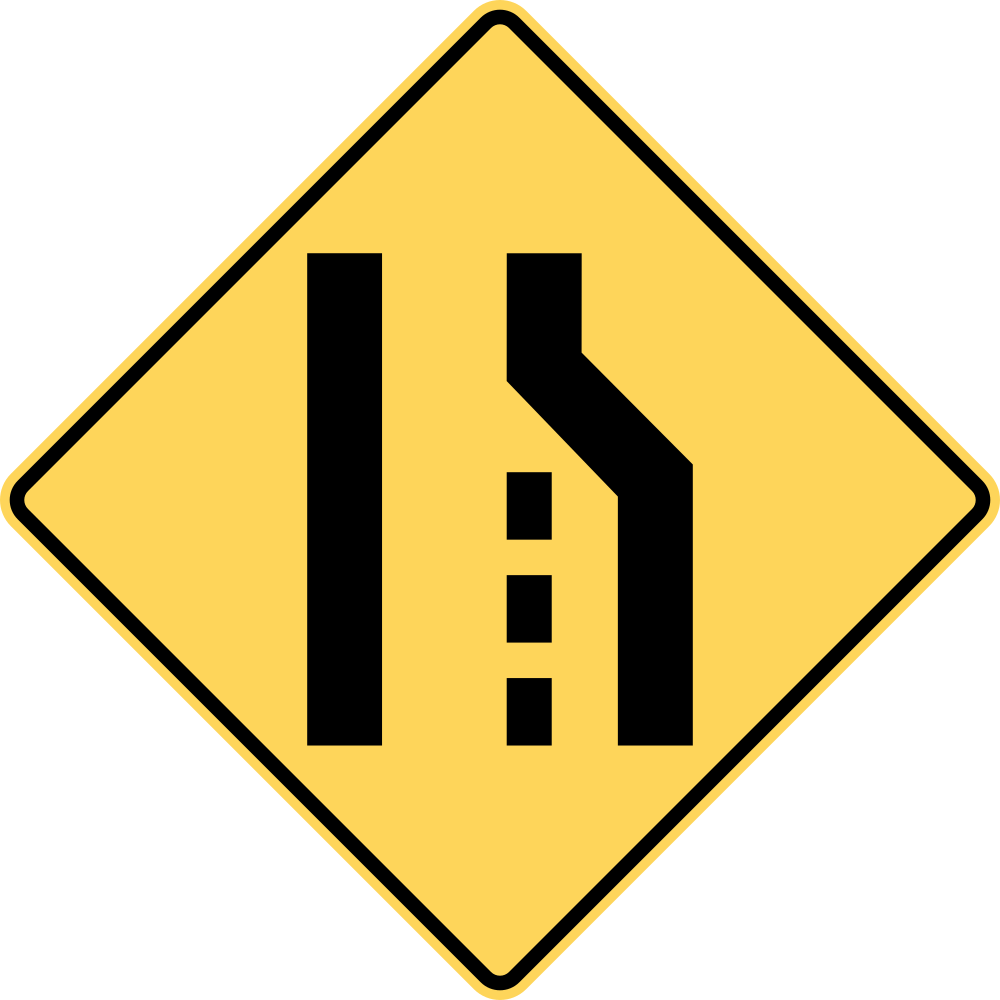
You are driving in the right lane and see this sign. What should you do?
- A.Adjust your speed within the limit and change lanes when there is a safe gapAnswer
- B.Speed up to get ahead of the vehicles in the left lane
- C.Stop and wait for the lane to reopen
- D.Continue on the shoulder until the lane resumes
Explanation: This sign tells you the right lane will end soon. Signal, match your speed to the traffic in the other lane without exceeding the limit, and merge only into a safe gap; drivers beside a lane that ends should help by adjusting their speed.
17 of 28 · Warning signs
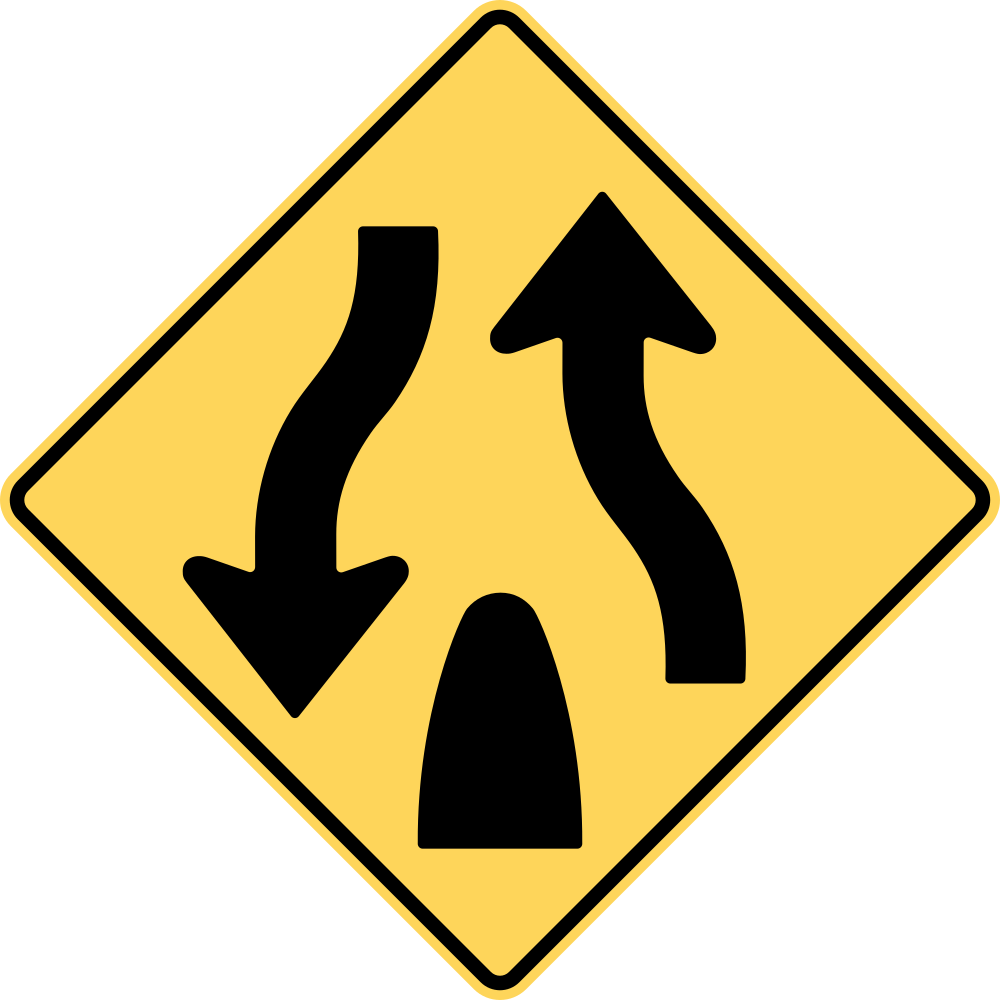
What does this sign warn, and what should you do?
- A.The divided highway ends ahead; keep rightAnswer
- B.A divided highway begins ahead; choose either roadway
- C.The right lane ends ahead; merge left
- D.The road narrows ahead; slow down
Explanation: Beyond this sign the median ends and oncoming traffic shares the same roadway with you. Keep to the right so that you are not in the path of vehicles coming the other way.
18 of 28 · Warning signs
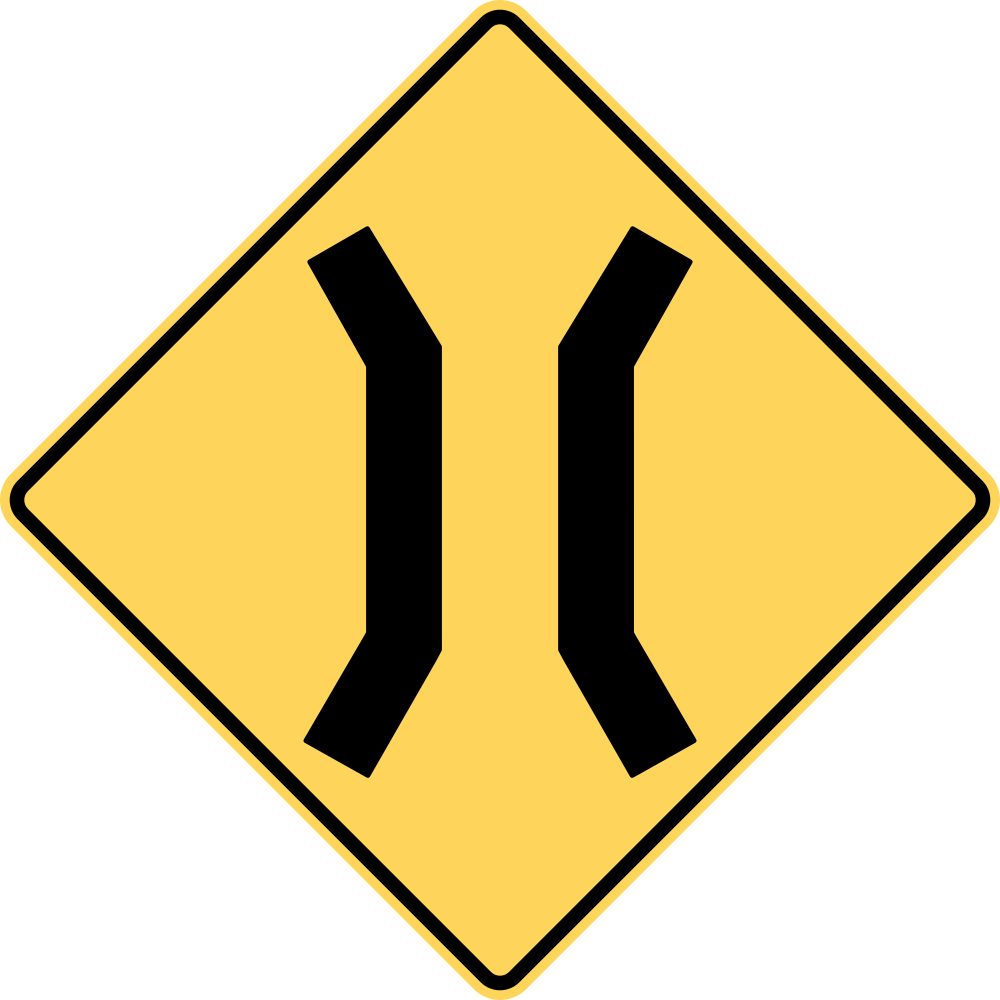
What does this sign usually warn of?
- A.A narrow structure ahead, often a bridgeAnswer
- B.A tunnel ahead; turn on your headlights
- C.A soft shoulder ahead; stay off it
- D.The pavement ends ahead
Explanation: A narrow structure such as a bridge leaves little room beside you. Slow down, keep well within your lane and be ready to share the space with oncoming traffic.
19 of 28 · Warning signs
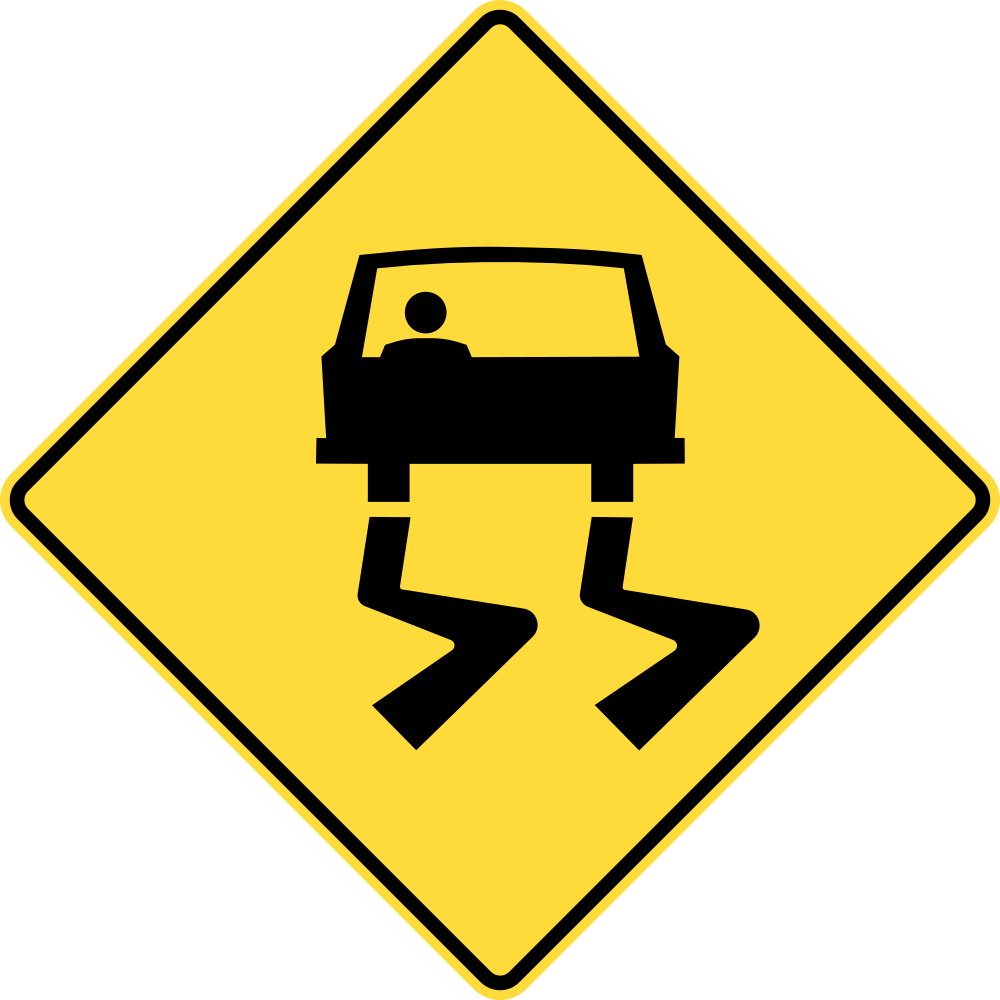
What should you do when you see this sign?
- A.Slow down; the road may be slippery aheadAnswer
- B.Speed up to get through the section before it gets worse
- C.Brake hard to test how much grip you have
- D.Stop and wait for the road to dry
Explanation: Slippery road warns that the surface ahead may give your tires less grip, for example when wet or icy. Slow down before you reach it and avoid sudden braking, accelerating or steering.
20 of 28 · Warning signs
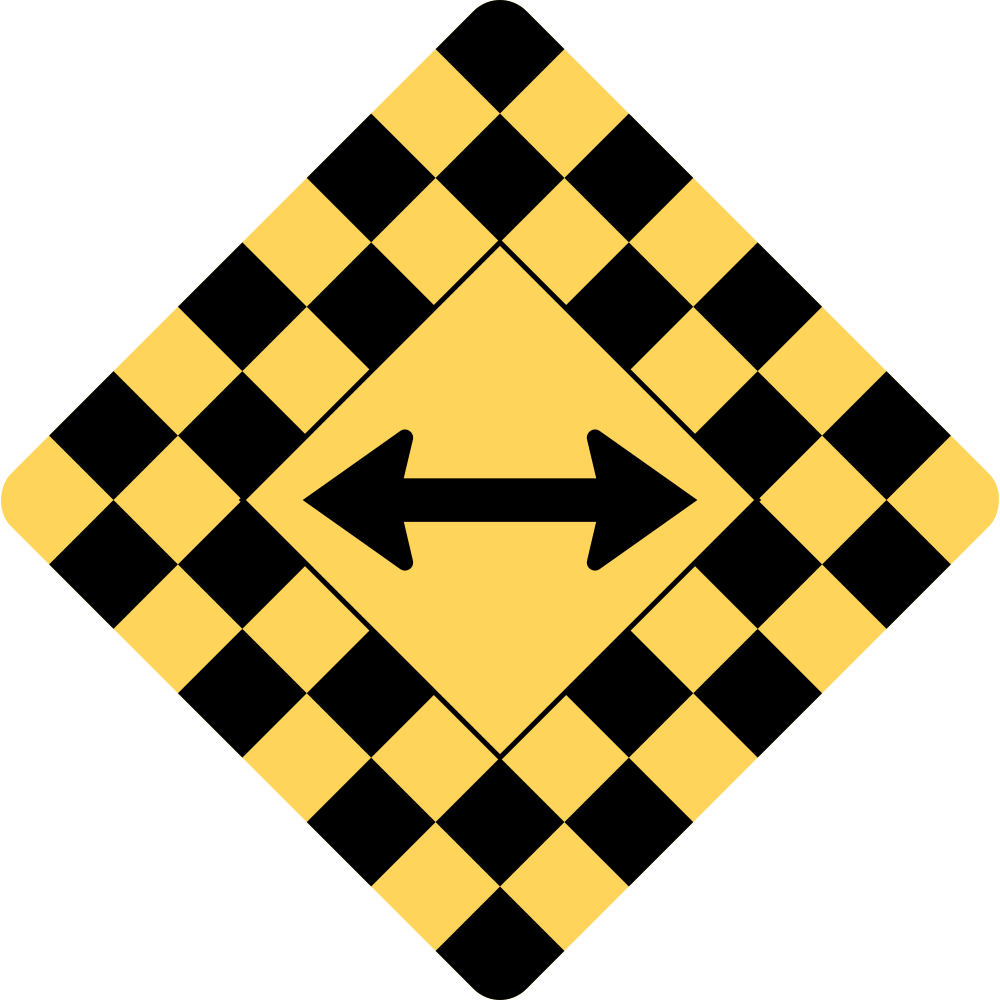
What does this sign mean?
- A.A hazard or danger is directly ahead; turn right or leftAnswer
- B.Keep right of an obstruction in the road
- C.The road narrows ahead
- D.A divided highway ends ahead
Explanation: This marker is placed where the road does not continue straight, such as the end of a T-intersection. The road ahead is a hazard, so slow down well before it and turn right or left.
21 of 28 · Warning signs
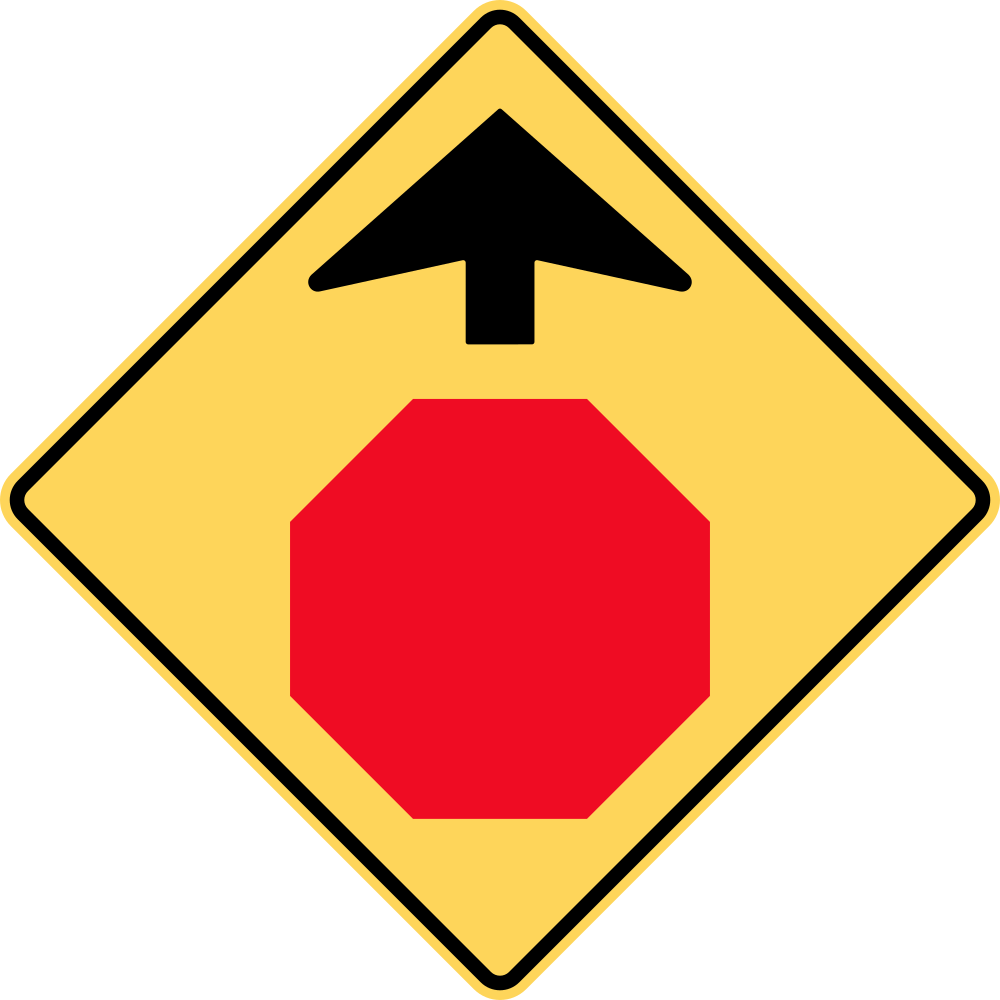
Why is this sign posted, and what should you do?
- A.A stop sign is ahead, often out of sight; slow down and be ready to stopAnswer
- B.You must stop right here at this sign
- C.Traffic signals are ahead
- D.A yield sign is ahead
Explanation: Stop sign ahead is a warning sign used where a curve, hill or other obstruction hides the stop sign until late. Start slowing now so you can stop at the stop sign, not at this one.
22 of 28 · Warning signs
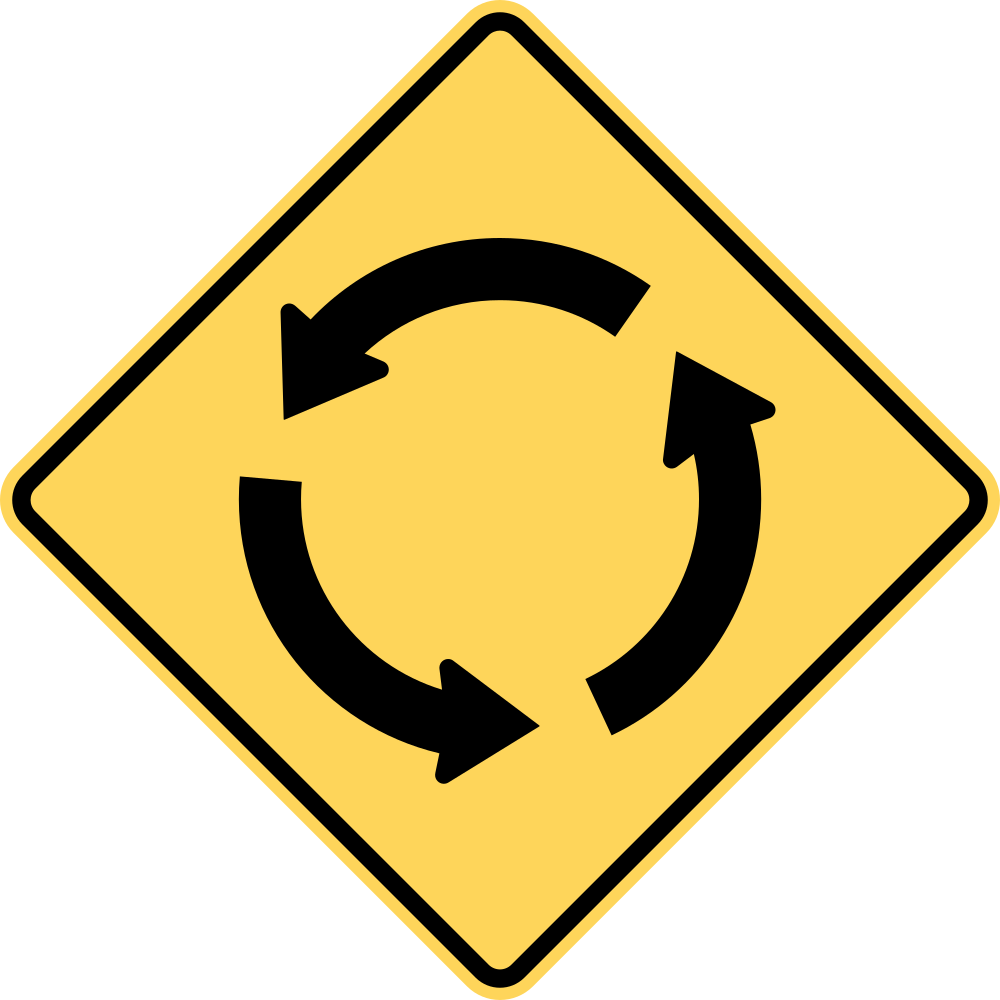
This sign is posted before a roundabout. What must you do as you enter it?
- A.Slow down and yield to any traffic already in the roundaboutAnswer
- B.Enter without slowing; traffic in the roundabout must yield to you
- C.Always come to a complete stop before entering
- D.Go around the roundabout in a clockwise direction
Explanation: Choose your lane before you reach the roundabout, slow down, yield to pedestrians in the crosswalk and to traffic already circulating, then go around counter-clockwise without changing lanes, signalling right before you exit.
23 of 28 · Warning signs
The yellow lights on this sign are flashing. What does that tell you?
- A.Prepare to stop at the signal lights aheadAnswer
- B.The signal lights ahead are out of order
- C.You may drive through the signal ahead without stopping
- D.A school zone begins here
Explanation: This sign is placed before a signal that drivers cannot see from far away. Its lights flash when the signal ahead is about to change against you, so slow down and be ready to stop.
24 of 28 · Warning signs
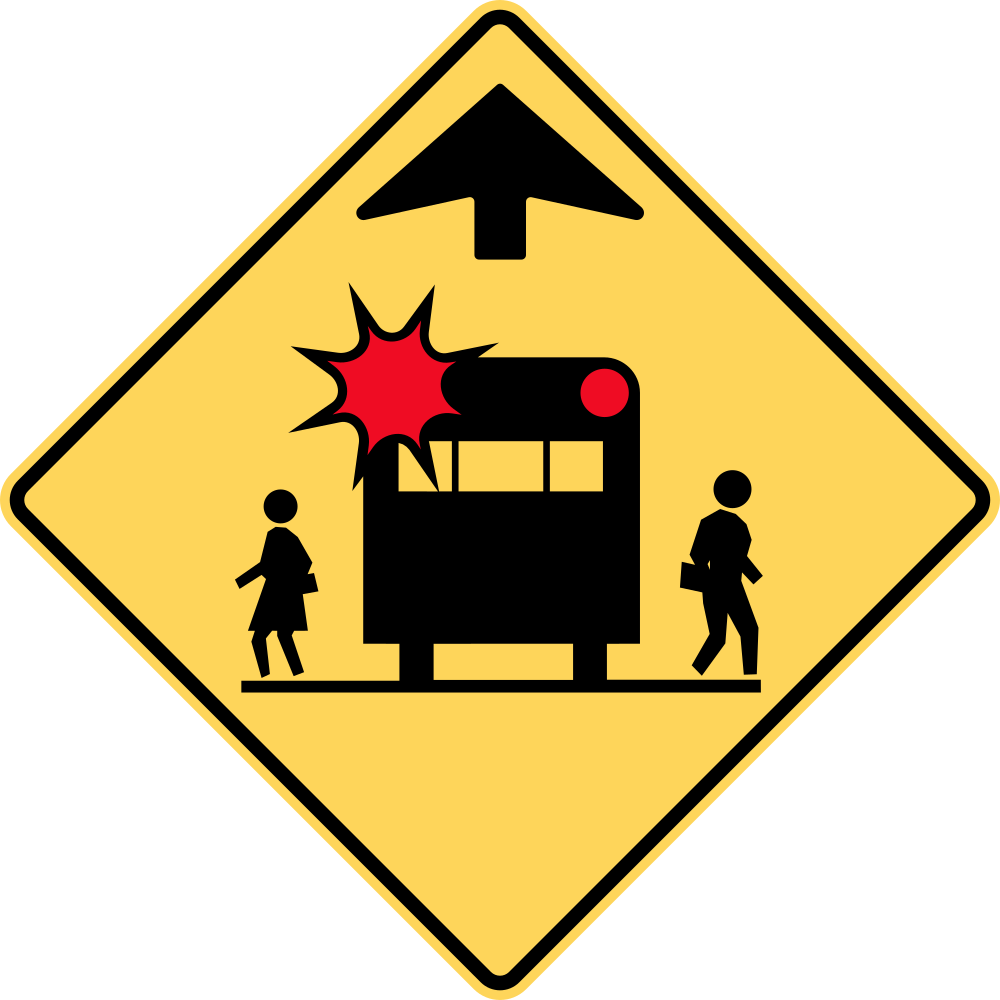
What does this sign warn you about?
- A.A school bus stops ahead; watch for children and be ready to stop for the busAnswer
- B.Only school buses may use the road ahead
- C.A bus lane begins ahead
- D.A school crosswalk is ahead
Explanation: Where a school bus stops, children gather at the roadside. Slow down, and remember that when a school bus shows its alternating flashing red lights you must stop whether you approach it from the front or the rear.
25 of 28 · Warning signs
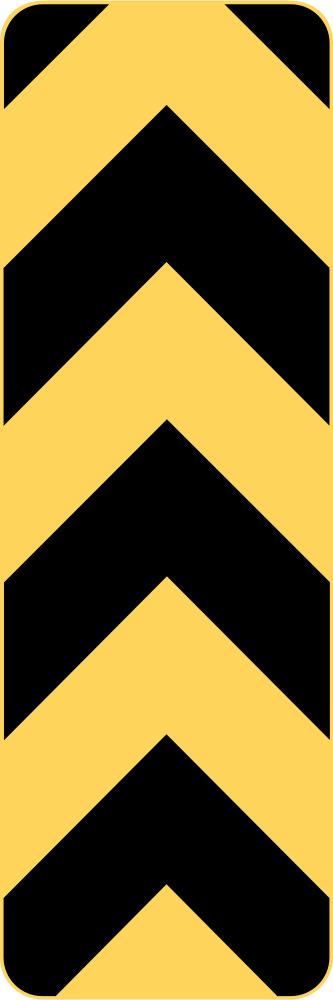
What does this object marker tell you?
- A.There is an obstruction ahead; you may pass it on the right or the leftAnswer
- B.You must pass the obstruction on the right only
- C.You must pass the obstruction on the left only
- D.The road is closed ahead
Explanation: Object markers are mounted on obstructions themselves, so pay special attention to them. The stripes show which side is open: this marker allows you to keep right or left of the obstruction.
26 of 28 · Warning signs
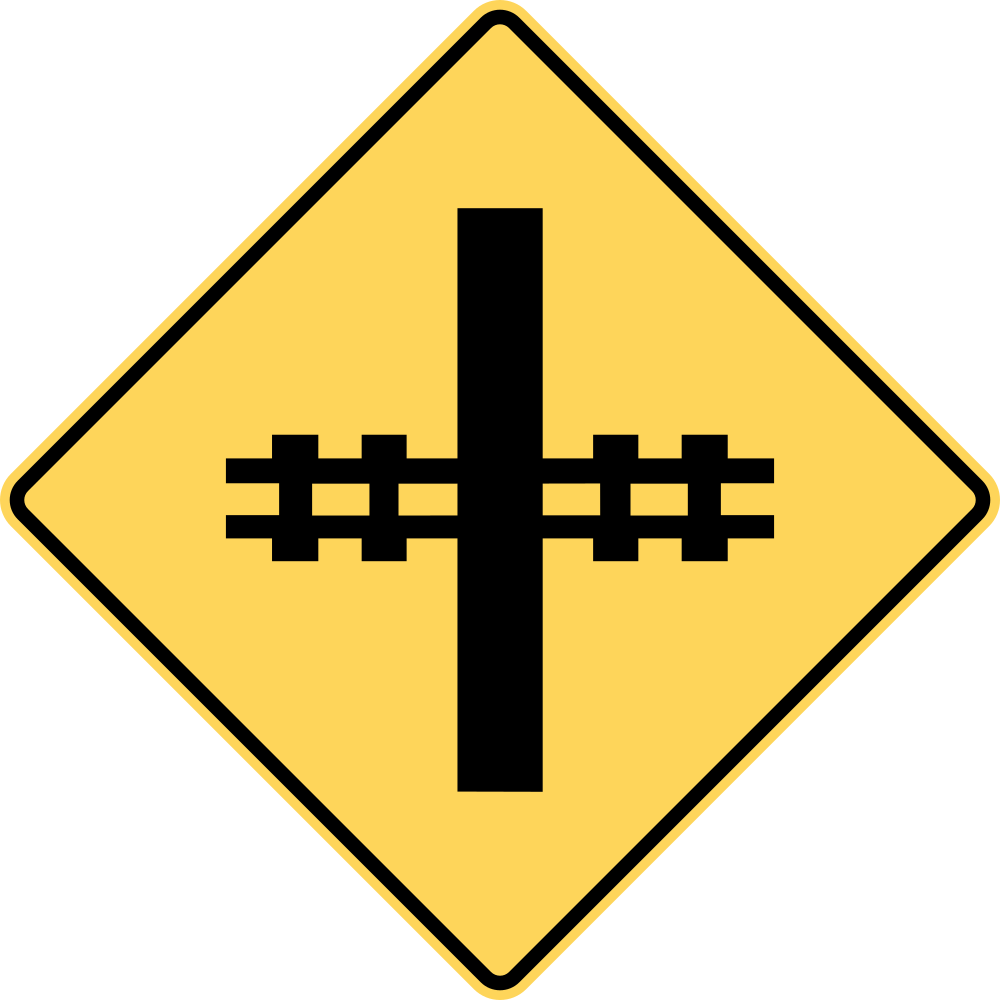
What should you do when you see this sign?
- A.Slow down, look and listen for a train, and be prepared to stopAnswer
- B.Speed up so you cross before any train arrives
- C.Stop here and wait for a signal to proceed
- D.Nothing; the sign only marks a disused railway
Explanation: The advance railway warning sign is posted where you may not yet see the crossing itself. Trains always have the right-of-way and cannot stop for you, so slow down and be ready to stop at the crossing.
27 of 28 · Warning signs

What does this railway crossing sign tell you to do?
- A.Stop, then proceed only when it is safeAnswer
- B.Proceed; you have the right-of-way over trains
- C.Yield only to passenger trains
- D.Change gears on the tracks to cross quickly
Explanation: This sign marks the crossing itself. You must always yield to trains: stop, look both ways along the track, and move across only when it is safe, never trying to beat a train.
28 of 28 · Warning signs
The gate at this crossing has come down. When may you cross the tracks?
- A.Only after the gate is fully raisedAnswer
- B.As soon as the train has passed, even if the gate is still down
- C.When the lights stop flashing, by driving around the gate
- D.Whenever you cannot see a train coming
Explanation: A lowered gate means a train is approaching. Stop and stay stopped until the gate is fully raised: a second train may be coming on another track behind the first one.